- Training
- 10 views

- Is casein really bad for you?
- Main side effects
- The alleged link with inflammation
- Casein allergy or lactose intolerance
- Allergy symptoms in adults
- Tests for an accurate diagnosis
- The impact of casein on the gut
- What to eat to avoid casein
- Cheeses with low or no casein content
- Remedies and dietary alternatives
- Frequently asked questions
- Can casein intake contribute to prostate cancer?
- Does whey protein contain casein?
- Can people with diabetes consume foods containing casein?
- What are the contraindications of whey protein?
Is casein really bad for you?
Casein is not generally harmful to people who tolerate it and can contribute to normal protein intake through foods such as milk, yogurt, and cheese. It is a family of proteins that accounts for approximately 80% of the total protein in cow's milk. During digestion, caseins are broken down into peptides and amino acids that the body can use for various functions, including tissue maintenance and growth.
Casein is also found in some sports supplements, often in the form of micellar casein. This type is valued for its relatively slow digestion compared with whey protein.
The presence of casein in a food, therefore, is not in itself a reason to avoid it. The main precautions concern people with a milk protein allergy or those experiencing symptoms that require medical assessment. Even when gastrointestinal symptoms recur, it is important to identify the cause rather than automatically attributing every symptom to casein.
Main side effects
Effects associated with casein vary depending on the individual's condition. In people with a milk protein allergy, the immune system reacts to one or more proteins in milk, including casein. Symptoms can affect the skin and digestive system and, in more severe cases, breathing and circulation.
Possible symptoms include:
- Gastrointestinal symptoms: abdominal pain, nausea, vomiting, or diarrhea;
- Skin reactions: itching, hives, redness, or skin rashes;
- Respiratory symptoms: coughing, wheezing, or difficulty breathing during allergic reactions;
- Systemic reactions: in more severe cases, anaphylaxis may occur, which is a potentially life-threatening allergic reaction.
Not everyone who experiences bloating or discomfort after consuming dairy products has a casein allergy. Similar symptoms may be caused by lactose intolerance, other gastrointestinal conditions, or the overall composition of a meal. The amount consumed and individual sensitivity can also affect how symptoms are experienced.
The alleged link with inflammation
One of the most widely discussed issues concerns the possible link between casein, inflammation, and intestinal disorders.
Some research has focused on the differences between the A1 and A2 variants of beta-casein, one of the proteins found in cow's milk. During the digestion of certain variants, bioactive peptides may form, including beta-casomorphin-7, which has been studied for its potential effects on the gastrointestinal system.
Experimental studies and some human studies have suggested possible differences in digestive responses to the A1 and A2 variants. However, the available evidence is insufficient to conclude that casein necessarily causes inflammation in the body or should be eliminated from everyone's diet.
It is essential to distinguish an allergic immune response, which is a recognized clinical condition, from hypotheses concerning the effects of specific proteins or peptides on intestinal function. Digestive discomfort should not automatically be equated with systemic inflammation, nor should casein be identified as the cause of complex diseases on the basis of evidence that remains limited.
Casein allergy or lactose intolerance
Casein allergy and lactose intolerance are two different conditions, although they can cause some similar symptoms. Casein is a milk protein, whereas lactose is the sugar naturally present in milk and dairy products. Confusing these two components can lead people to choose foods that are unsuitable for their needs.
A milk protein allergy involves the immune system, which identifies one or more proteins as a threat. The reaction may involve casein, whey proteins, or both. Lactose intolerance, on the other hand, is generally caused by reduced activity of the enzyme lactase, which is needed to digest this sugar in the small intestine.
People with lactose intolerance may tolerate some lactose-free products better because the lactose is broken down or removed during production. However, a lactose-free food may still contain casein and other milk proteins. For this reason, lactose-free products are not automatically suitable for people with a milk protein allergy.
Allergy symptoms in adults
Milk protein allergy is diagnosed more frequently during childhood, but it can also occur in adults. Symptoms may appear shortly after consuming the food or, in some types of reaction, develop at different times. The nature and severity of symptoms depend on the type of immune response and individual sensitivity.
Symptoms that may suggest a milk protein allergy include:
- itching, hives, or skin redness;
- swelling of the lips, tongue, or face;
- nausea, vomiting, abdominal pain, or diarrhea;
- coughing, wheezing, or difficulty breathing;
- dizziness, marked weakness, or other systemic symptoms in more severe reactions.
These signs are not exclusive to casein allergy and are not sufficient on their own to establish a diagnosis. Some people may also react to several milk proteins, not just casein. It is therefore important not to identify the responsible protein independently based on symptoms alone.
Tests for an accurate diagnosis
Milk protein allergy is diagnosed through clinical assessment and, when appropriate, specific tests. A doctor or allergist may gather information about symptoms, the foods involved, the amount consumed, and how soon the reaction occurred. These details help determine which investigations are appropriate.
Tests that may be used include:
- Skin tests: a skin prick test may be used to assess possible allergic sensitization;
- Specific IgE blood test: this can help assess an allergy mediated by immunoglobulin E;
- Supervised elimination diet: in some cases, a healthcare professional may recommend temporarily excluding suspected foods and then assessing the symptoms;
- Oral food challenge: when necessary, this can be performed in a controlled healthcare setting to verify the reaction to a food.
Results must be interpreted alongside the history of symptoms and specialist assessment. When indicated, an oral food challenge must be arranged and supervised by healthcare professionals; it should not be performed at home when an allergy is suspected.
The impact of casein on the gut
Casein is digested in the gastrointestinal tract through enzymatic processes that break it down into peptides and amino acids. In people who tolerate it, this process is part of normal dietary protein digestion. There is no reason to automatically consider casein harmful to the gut in everyone.
In the presence of a milk protein allergy, however, consuming the food may trigger an immune response with symptoms that also affect the digestive system. Abdominal pain, nausea, vomiting, or diarrhea may occur, but clinical manifestations vary from person to person. These symptoms require appropriate assessment to identify their cause.
It is also important not to confuse symptoms caused by lactose intolerance with those associated with an allergy. Bloating, intestinal gas, and diarrhea after consuming milk may be linked to difficulty digesting lactose, without any immune reaction to casein. In other cases, symptoms may be caused by different gastrointestinal conditions.
People who frequently experience digestive symptoms should avoid eliminating entire food groups without professional assessment. A doctor or dietitian can help identify potentially problematic foods and plan an eating pattern that supports gut health and digestion.
What to eat to avoid casein
Anyone who needs to exclude casein because of a diagnosed allergy must pay attention to foods containing milk and dairy products. Casein is present in many dairy products, including milk, yogurt, cheese, cream, and numerous processed foods. It may also appear in packaged foods as caseinates or other milk-derived ingredients.
The most appropriate dietary approach depends on why the protein needs to be avoided. In the case of a milk protein allergy, it is necessary to follow medical advice and check ingredients and allergen warnings. If an undiagnosed sensitivity is suspected, however, it is preferable to clarify the cause of the symptoms before independently eliminating all dairy products.
Cheeses with low or no casein content
Most traditional cheeses contain casein, because this family of proteins plays a fundamental role in milk coagulation during cheese production. This applies to many fresh and aged cheeses, although their nutritional composition varies according to the type of milk, processing method, and aging period.
An aged cheese or one with a very low lactose content is not necessarily free of casein. Aging changes the characteristics of the product but does not completely eliminate casein proteins. Likewise, cheese made from goat's or sheep's milk contains milk proteins and cannot automatically be considered safe for people allergic to cow's milk proteins, as cross-reactions may occur.
Ricotta is made primarily from the whey left over from cheese production and has a different protein composition from many traditional cheeses. However, it is not correct to consider all ricotta products casein-free: their composition may vary depending on the production process and raw ingredients.
Plant-based alternatives to fresh, spreadable, and aged cheeses are available, but it is important to check each product's label, especially when allergies are involved. The product name or its resemblance to traditional cheese does not, by itself, guarantee that it contains no milk-derived ingredients.
Remedies and dietary alternatives
There is no remedy that allows people with a diagnosed allergy to continue consuming casein. In these cases, management involves avoiding the relevant sources according to medical advice and preventing accidental exposure.
For people who need to avoid milk proteins, dietary alternatives may include:
- Plant-based drinks: made from soy, oats, rice, almonds, or other plant ingredients; always check the ingredients and allergens;
- Plant-based yogurts: available in various formulations, with protein content varying according to the ingredients used;
- Plant-based cheese alternatives: spreadable or sliced products made without milk or dairy derivatives; check the label carefully;
- Legumes: such as lentils, chickpeas, beans, and peas, which contribute to protein intake and also provide fiber;
- Tofu and other soy-based foods: useful for varying protein sources, provided they are compatible with individual needs;
- Nuts and seeds: can contribute protein and unsaturated fats, while taking calorie content and possible allergies into account.
Plant-based drinks do not all have the same nutritional value. For example, a soy drink may have a different protein content from a rice or almond drink. If they are used regularly as milk substitutes, it is useful to compare labels and, where appropriate, consider products fortified with calcium and vitamins.
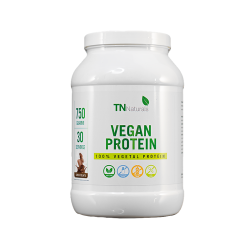
For those who want to increase their protein intake without using dairy products, vegan plant-based protein supplements may also be considered. The choice depends on individual requirements, ingredients, and product tolerance. In this case too, people with allergies should carefully check for soy, nuts, and other allergens.
Frequently asked questions
Can casein intake contribute to prostate cancer?
It is not possible to state that casein intake, considered in isolation, causes prostate cancer. Research into the relationship between dairy consumption, calcium intake, and the risk of this cancer has produced findings that require cautious interpretation. Some analyses have identified possible associations between high dairy consumption and increased risk, but this does not prove that casein is the direct cause.
It is important to distinguish statistical correlation from causation and to consider that dairy products contain several components, including protein, calcium, and fat, which cannot be assessed as though they were a single substance. Furthermore, cancer risk depends on many factors, including age, family history, individual circumstances, and lifestyle.
Does whey protein contain casein?
Whey proteins and casein are two different protein families. Milk contains both: casein accounts for approximately 80% of the total protein in cow's milk, while the remaining portion consists mainly of whey proteins. During cheese production, a substantial proportion of the casein is retained in the curds, while whey proteins largely remain in the liquid phase.
Whey protein supplements are obtained by processing and filtering whey. Whey products are therefore not the same as casein, and the two types of protein have different characteristics. However, this does not mean that every whey-based product is automatically safe for people with a milk protein allergy.
Can people with diabetes consume foods containing casein?
The presence of casein in a food is not, by itself, a universal contraindication for people with diabetes. Whether milk and dairy products can be consumed depends on the individual's clinical condition, dietary plan, the overall composition of the food, and any other health conditions.
When assessing dairy products or protein supplements, it is useful to check the label and consider not only the protein content, but also carbohydrates, added sugars, fat, and calories. A product may be high in protein while still having nutritional characteristics that need to be assessed in the context of the overall diet.
What are the contraindications of whey protein?
Whey proteins, also known as whey protein, can be used to supplement protein intake when needed, but they are not suitable for everyone without exception. The main precaution concerns people with a milk protein allergy, who may also react to whey proteins. Whey products may also contain varying amounts of lactose, depending on the raw ingredients and processing method; this is relevant for people with lactose intolerance.
Another situation requiring caution is the presence of kidney disease or clinical conditions that require overall protein intake to be monitored. In these cases, the amount of protein to consume should be determined according to a doctor's or dietitian's advice, without independently increasing intake through foods and supplements.
Casein is a normal protein component of milk and is not generally harmful to people who tolerate it. The main precautions concern milk protein allergy and symptoms that require medical assessment. Hypotheses about its relationship with inflammation and specific diseases should be interpreted in light of the available scientific evidence, without turning uncertain associations into definitive conclusions.