- Training
- 39 views

- Foods that contain magnesium
- Nuts and seeds
- Leafy green vegetables
- Legumes and whole grains
- Fresh fruit
- Table of magnesium-rich foods
- Foods containing magnesium and other micronutrients
- Foods containing magnesium and potassium
- Foods containing magnesium and zinc
- Foods containing magnesium and vitamin D
- How to get magnesium throughout the day
- A magnesium-rich breakfast
- Magnesium-rich drinks
- Frequently asked questions
- Which fruit has the highest magnesium content?
- Do eggs contain a significant amount of magnesium?
- When is it advisable to take magnesium bisglycinate supplements?
Foods that contain magnesium
Magnesium is found in many plant-based and animal-derived foods, although some categories are particularly noteworthy sources. These mainly include seeds, nuts, leafy green vegetables, legumes, and whole grains.
The amount of magnesium varies depending on the type of food, processing, and preparation method. For example, whole grains generally retain more minerals than refined grains, while cooking and water content can affect the value expressed per 100 grams.
To maintain a regular intake, it is preferable to alternate different sources throughout the week rather than relying on a single food. This also helps provide fibre, plant-based protein, vitamins, and other minerals that support nutritional balance.
Nuts and seeds
Nuts and seeds are among the most concentrated dietary sources of magnesium. Almonds, cashews, pumpkin seeds, and chia seeds can make a significant contribution to daily intake, especially when regularly consumed in appropriate portions.
Foods worth including in rotation include:
- Pumpkin seeds: Particularly rich in magnesium, they can be added to salads, yoghurt, porridge, and grain-based dishes;
- Almonds: Provide magnesium, unsaturated fats, protein, and fibre. They are convenient as a snack;
- Cashews: Supply magnesium and other minerals, including zinc and copper;
- Chia seeds: Contain magnesium and fibre and can be used to prepare puddings and breakfasts or added to yoghurt and plant-based drinks;
- Walnuts and hazelnuts: Contribute magnesium and unsaturated fats, helping diversify dietary fat sources.
For a convenient snack, a small portion of nuts can be paired with fresh fruit or yoghurt. It is still useful to pay attention to portion sizes because these foods are energy-dense. Plain or unsalted varieties can also help limit added salt intake.
Leafy green vegetables
Leafy green vegetables, such as spinach, Swiss chard, and kale, are other dietary sources of magnesium. This mineral is present in chlorophyll, the pigment that gives plants their green colour and plays a role in photosynthesis.
Spinach is one of the best-known examples. It can be eaten raw in salads or cooked as a side dish, in omelettes, soups, and pasta dishes. Other leafy green vegetables also contribute to overall intake, although their magnesium content varies according to the species and preparation method.
Cooking can change the magnesium content measured per 100 grams, partly because it changes the food's water content. Some of the mineral may also pass into the cooking water. Alternating raw and cooked vegetables and, where possible, using the cooking liquid in recipes can help limit some losses.
In addition to magnesium, leafy green vegetables provide fibre, folate, vitamin K, and other plant compounds. Including them regularly in meals therefore helps increase dietary variety without focusing exclusively on a single mineral.
Legumes and whole grains
Legumes and whole grains are another useful combination for increasing magnesium intake. Beans, lentils, chickpeas, and soy provide this mineral along with plant-based protein and fibre. Depending on the food, they may also supply potassium, iron, and zinc.
Among grains and pseudocereals, oats, brown rice, buckwheat, and quinoa can contribute to daily magnesium intake. Wholegrain versions tend to retain more magnesium than refined grains because some minerals are concentrated in the outer layers of the grain and the germ, which are removed during certain processing methods.
To prepare balanced meals, you can alternate between:
- Lentils with brown rice and vegetables;
- Chickpea salads with leafy greens and seeds;
- Oat porridge with almonds or chia seeds;
- Quinoa with legumes and seasonal vegetables;
- Wholegrain bread served with hummus or other legume-based spreads.
Phytates in some legumes and whole grains can partially reduce the absorption of certain minerals, including zinc and magnesium. Soaking, sprouting, fermentation, and cooking can alter the content of these compounds. However, there is no need to avoid wholegrain foods: their overall nutritional contribution remains important as part of a varied diet.
Fresh fruit
Fresh fruit also contains magnesium, generally in lower amounts than seeds, nuts, and many legumes. Bananas, avocados, and other fruits can still contribute to daily intake, especially when eaten regularly as part of a balanced diet.
Bananas are often associated with magnesium, but they are also notable for their potassium and carbohydrate content. Avocados provide magnesium, potassium, and unsaturated fats. Other fruits contribute varying amounts and provide water, fibre, vitamins, and different plant compounds.
There is no need to always choose the fruit with the highest magnesium content: alternating varieties throughout the week is a more useful strategy for diversifying nutrient intake. Fresh fruit can be eaten at breakfast, as a snack, or alongside yoghurt, oats, and nuts.
Table of magnesium-rich foods
To compare foods, it is useful to consider the amount of magnesium in a typical serving as well as the value per 100 grams. Seeds and nuts are particularly concentrated sources, while water-rich foods, such as many fresh fruits, may contain less magnesium for the same weight.
The following table provides indicative magnesium values for specific serving sizes, based on reference nutritional data. Values may vary according to variety, brand, processing, and preparation. The listed servings are not all equivalent in weight.
| Food | Reference serving | Approximate magnesium |
|---|---|---|
| Roasted pumpkin seeds | 28 g | 156 mg |
| Chia seeds | 28 g | 111 mg |
| Roasted almonds | 28 g | 80 mg |
| Roasted cashews | 28 g | 74 mg |
| Roasted peanuts | Approximately 35 g | 63 mg |
| Cooked spinach | Approximately 90 g | 78 mg |
| Cooked black beans | Approximately 85 g | 60 mg |
| Shelled, cooked edamame | Approximately 75 g | 50 mg |
| Cooked brown rice | Approximately 100 g | 42 mg |
| Instant oatmeal | One sachet, depending on the product | 36 mg |
| Banana | One medium | 32 mg |
| Milk | Approximately 240 ml | 27 mg |
| Avocado | Approximately 75 g | 22 mg |
These data are useful for comparing sources, but they do not replace the product label or a specific nutritional database for the food purchased.
The table shows that you do not need to eat large quantities of a single food to obtain magnesium. A breakfast with oats and seeds, a meal based on legumes and whole grains, and a snack containing nuts can all contribute to daily intake.
Foods containing magnesium and other micronutrients
Foods rich in magnesium can also provide other micronutrients that are important for normal bodily function. Some combinations are particularly useful because they help supply minerals and vitamins involved in different physiological processes within the same meals.
This does not mean that magnesium, potassium, zinc, and vitamin D must always be consumed together, or that combining foods automatically produces greater benefits. The priority is to maintain a varied diet and meet individual requirements for each nutrient.
Foods containing magnesium and potassium
Magnesium and potassium are two minerals involved in essential neuromuscular functions. Magnesium contributes to normal muscle and nervous system function, while potassium is important for nerve impulse transmission, muscle contraction, and maintaining fluid balance inside cells.
Foods that can contribute to the intake of both minerals include:
- Spinach: Provides magnesium and potassium, as well as folate and vitamin K;
- Legumes: Lentils, beans, and soy provide useful amounts of both minerals, together with protein and fibre;
- Nuts: Almonds and cashews mainly contribute magnesium but also provide potassium;
- Avocado: Supplies potassium, magnesium, and unsaturated fats;
- Potatoes: Are a source of potassium and also contain magnesium, particularly when eaten with the skin where appropriate;
- Bananas: Are best known for their potassium content but also contribute magnesium.
For people who exercise, regularly including these foods in the diet can help meet requirements for both minerals. However, maintaining hydration and electrolyte balance depends on several factors, including exercise duration, sweating, diet, and individual circumstances. Magnesium and potassium supplements are not automatically necessary after every workout.
People with kidney conditions or taking medications that affect potassium levels should consult a doctor before using supplements or salt substitutes containing this mineral.
Foods containing magnesium and zinc
Magnesium and zinc are involved in numerous biological processes, but they have different roles. Magnesium is involved in energy metabolism and muscle and nerve function; zinc contributes, among other functions, to normal immune system function, DNA synthesis, and normal protein synthesis.
Some foods contain both minerals and can easily be incorporated into meals:
- Pumpkin seeds: A concentrated source of magnesium that also provides zinc;
- Cashews and almonds: Contribute to the intake of both minerals and also provide unsaturated fats and other minerals;
- Legumes: Chickpeas, lentils, and beans provide magnesium and zinc, along with plant-based protein and fibre;
- Whole grains: Oats, brown rice, and other minimally refined grains contribute both minerals;
- Meat and fish: Can provide zinc and varying amounts of magnesium; some animal foods are particularly useful sources of zinc.
The amount of zinc actually absorbed can vary depending on the composition of the meal. Legumes, seeds, and whole grains contain phytates, which can reduce zinc absorption. Techniques such as soaking, sprouting, and fermentation can help alter zinc availability.
A varied diet makes it possible to combine plant-based and animal sources according to individual preferences and needs.
Foods containing magnesium and vitamin D
Magnesium and vitamin D are involved in processes that contribute to bone health and normal bodily function. Magnesium participates in enzymatic reactions that are also necessary for vitamin D metabolism, while vitamin D contributes to the absorption and use of calcium and phosphorus and the maintenance of normal bones.
The dietary sources of these two nutrients do not always overlap. Seeds, nuts, legumes, and whole grains are sources of magnesium, while vitamin D is naturally present mainly in certain animal-derived foods, such as oily fish and egg yolks.
To combine these nutrients in your diet, you can prepare meals with oily fish, whole grains, and vegetables, or breakfasts based on oats and seeds with a fortified plant-based drink, if its composition includes these nutrients. However, no single food can guarantee an adequate intake of both nutrients on its own.
Magnesium is necessary for normal vitamin D metabolism, but this does not mean that increasing magnesium intake will automatically raise blood vitamin D levels or correct a deficiency. Vitamin D3 and K2 supplements may be considered in these circumstances.
How to get magnesium throughout the day
To maintain a regular magnesium intake, it can be useful to distribute magnesium-rich foods across breakfast, lunch, dinner, and snacks. There is no need to concentrate all these foods in a single meal: dietary variety and consistent habits matter more than finding a specific time to eat them.
A balanced day may include oats and seeds at breakfast, legumes or whole grains at lunch, leafy green vegetables at dinner, and a moderate portion of nuts as a snack. Portions should be adapted to energy requirements, preferences, and any individual needs.
It is also useful to remember that magnesium absorption can vary according to its chemical form and the composition of the food. A diet containing a wide variety of plant-based foods helps provide magnesium along with fibre and other micronutrients, without automatically requiring supplements.
A magnesium-rich breakfast
Breakfast can be a good opportunity to obtain magnesium from simple, versatile foods. A practical option is to prepare porridge or a bowl based on oats, adding chia seeds, almonds or pumpkin seeds, and a serving of fresh fruit.
This combination brings together different nutritional sources:
- Oats: Provide magnesium, carbohydrates, and fibre, especially in the wholegrain version;
- Chia or pumpkin seeds: Increase the magnesium content of the meal;
- Almonds or other nuts: Contribute magnesium, unsaturated fats, and protein;
- Fresh fruit: Adds water, fibre, vitamins, and other micronutrients;
- Milk or a plant-based drink: Can complete the recipe; if choosing a fortified drink, check the nutrients listed on the label.
You can alternate between yoghurt with oats and seeds, wholegrain bread with a nut butter, or a savoury breakfast with wholegrain bread and legumes. The goal is to vary food sources and maintain a composition suited to the day's needs.
People who exercise can adapt the quantity and composition of breakfast to the timing and type of workout. Magnesium contributes to normal muscle function, but a magnesium-rich breakfast alone does not guarantee improved performance. Overall energy, carbohydrate, protein, and fluid intake remain important.
Magnesium-rich drinks
In addition to solid foods, some drinks can contribute to magnesium intake. The most relevant example is mineral water, whose mineral content varies according to the source and the specific composition of the product.
Milk, some fortified plant-based drinks, and other beverages can also provide magnesium, but the amounts vary. For plant-based drinks, it is important to distinguish naturally occurring magnesium from any added during fortification. Oat, soy, almond, and rice drinks do not all have the same composition.
Coffee and tea can provide small amounts of magnesium, but they should not be considered the main sources of this mineral. Their caffeine content should also be considered in the context of individual habits, especially for people sensitive to caffeine or those drinking them in the evening.
For most people, a varied diet combined with adequate hydration is the starting point. There is no need to choose a drink solely because of its magnesium content: it is preferable to consider its overall composition, personal needs, and the nutrients supplied by food.
Frequently asked questions
Which fruit has the highest magnesium content?
There is no single fruit that can be universally identified as the richest in magnesium in every comparison, because values vary according to variety, ripeness, and the database used. Among commonly eaten fresh fruits, avocados and bananas contribute magnesium, but their amounts are generally lower than those found in seeds, nuts, and legumes.
Do eggs contain a significant amount of magnesium?
Eggs contain magnesium, but they are not considered one of the most concentrated dietary sources of this mineral. They can contribute to overall dietary intake and also provide high-quality protein, vitamins, and other micronutrients.
To increase the magnesium content of an egg-based meal, you can pair eggs with wholegrain bread, spinach, legumes, or seeds. This combines foods with different nutritional profiles and makes the meal more varied without assigning excessive importance to any single ingredient.
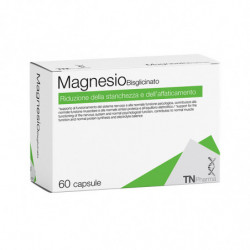
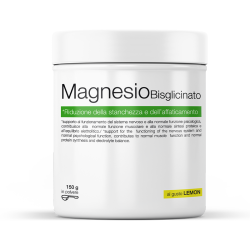
When is it advisable to take magnesium bisglycinate supplements?
Magnesium bisglycinate supplements may be considered when there is a genuine need to increase magnesium intake, but they are not essential for everyone. The need may depend on diet, certain health conditions, increased losses, or advice from a healthcare professional. Physical activity alone does not mean that supplementation is necessary.
Bisglycinate is a chelated form of magnesium in which the mineral is bound to glycine. Tolerability and absorption may vary according to the formulation and the individual. It is not accurate to guarantee that this form is always superior to all others or that it produces specific effects on sleep and the nervous system.
People with kidney conditions, those taking medication, or anyone unsure whether supplementation is necessary should consult a doctor or pharmacist. High doses of magnesium from supplements can cause gastrointestinal problems and interfere with the absorption of certain medicines.
Magnesium is found in many foods, especially seeds, nuts, leafy green vegetables, legumes, and whole grains. Including these sources in different meals throughout the day helps contribute to magnesium requirements while also providing other nutrients that support a balanced diet. If dietary intake is insufficient or specific needs exist, the possible use of a supplement should be carefully assessed without replacing a varied, balanced diet.