- Training
- 22 views
- When to have a pre-workout snack
- What to eat for a pre-workout snack
- Pre-workout snacks based on your goal
- Practical pre-workout snack ideas
- Frequently asked questions
When to have a pre-workout snack
A pre-workout snack is a meal eaten before physical activity to ensure you have an adequate energy supply for your workout without feeling hungry or weighed down. The best time to eat it depends mainly on the quantity and composition of the food, the duration of the session and your digestive capacity.
There is no single ideal time for everyone: a substantial snack generally takes longer to digest than a small portion of fruit or a carbohydrate-based drink. The goal is to find a balance between energy availability and gastrointestinal comfort, avoiding starting physical activity immediately after a large meal.
It is also important to remember that a snack is not mandatory before every workout. If you have already eaten an adequate meal in the preceding hours and do not feel hungry, you may not need to eat anything else. Overall diet quality and daily energy intake remain more important than any individual snack.
Two to three hours before
When you have around two or three hours before your workout, you can have a more substantial snack consisting of a source of carbohydrates and some protein, with moderate amounts of fat and fibre depending on your individual tolerance.
This time frame allows you to choose solid foods and more elaborate combinations, without necessarily having to rely on fast-digesting products. Some options include:
- Greek yogurt and oat flakes: provide protein and carbohydrates, with a fibre content that can be adjusted according to digestive sensitivity;
- Bread and turkey breast: combine carbohydrates and lean protein in a simple preparation;
- Porridge with milk or a plant-based drink and fruit: provides a source of carbohydrates and can be enriched with some protein;
- Toast with low-fat ricotta and jam: combines carbohydrates and protein, with a nutritional composition that varies according to the amounts used;
- Banana and plain yogurt: a practical alternative for anyone who prefers a snack that is not too substantial.
The portion should be proportionate to the time available and individual needs. It is best not to overdo foods that are very high in fat or fibre if they tend to cause bloating and heaviness. Digestion may take longer, making physical activity less comfortable, especially when the workout includes high-intensity exercises or movements that engage the abdominal area.
Thirty to sixty minutes before
When you have less time available, your snack should be small, easy to digest and made up mainly of carbohydrates. At this stage, it is generally best to avoid large meals and elaborate preparations, choosing foods that do not require strenuous digestion.
Practical alternatives include:
- a ripe banana;
- one or two rice cakes with a thin layer of honey or jam;
- a small portion of white bread with jam;
- a well-tolerated piece of fruit, depending on your digestive sensitivity;
- a carbohydrate-containing drink, when it is useful to consume energy in liquid form.
Carbohydrate sources also used in sports nutrition include maltodextrins, carbohydrates derived from starch and available in various formulations. They can be used to prepare carbohydrate-containing drinks, but they are not essential for a regular gym workout, and their use should be assessed according to the duration and intensity of the activity. If you also use caffeine, it is important to distinguish its stimulating effect from the energy-providing role of the snack.
What to eat for a pre-workout snack
The composition of a pre-workout snack should be adapted to how much time is left before training and the characteristics of the session. In general, carbohydrates are an important source of energy, while protein can help you meet your daily requirements. Fat and fibre do not need to be eliminated from your diet, but it may be useful to moderate their amounts when eating shortly before physical activity.
There is no ideal combination that works for everyone: some people tolerate yogurt with cereal well even shortly before training, while others prefer to eat just a piece of fruit. Individual response is an important factor when choosing foods.
Carbohydrates for immediate energy
Carbohydrates are among the main nutrients used by the body during physical activity. After digestion, they are converted into glucose or other sugars that cells can use, and they also help maintain muscle and liver glycogen stores.
The amount of carbohydrates to consume before training depends on the duration and intensity of the effort, the food eaten in the preceding hours and the time available for digestion. For a short weight-training session, having followed an adequate diet throughout the day is often enough. For longer or more demanding activities, however, it may be useful to pay closer attention to carbohydrate availability.
Foods that can be used as pre-workout carbohydrate sources include:
- Banana: provides carbohydrates and is easy to eat even when you are away from home;
- White bread: is a carbohydrate source that is generally easy to include in a snack;
- Rice cakes: are easy to carry and can be paired with honey or jam;
- Rusks and jam: make it possible to prepare a light snack that is easy to portion;
- Rice or potatoes: can be used when you have more time before your session;
- Honey: contains simple sugars and can be added in small amounts to other foods.
The choice between simple and complex carbohydrates should not be based solely on the glycaemic index. The amount consumed, the composition of the meal, the time before training and individual tolerance also matter. A food with a high glycaemic index does not automatically guarantee better performance.
Lean proteins and Greek yogurt
Protein contributes to the maintenance and growth of muscle mass and is therefore important in the diet of people who exercise. Including it in a pre-workout snack can be useful for spreading protein intake throughout the day, especially when several hours have passed since the last meal.
Some practical options include:
- Low-fat Greek yogurt: provides a good amount of protein and can be paired with banana, honey or cereal;
- Skyr: is a dairy product that is generally high in protein and can be eaten with fruit;
- Turkey or chicken breast: can be used to prepare a small sandwich with white bread;
- Egg whites: are a protein source that can be included in simple preparations such as pancakes or light omelettes;
- Low-fat milk: can be used in a liquid snack if well tolerated.
When you have little time or cannot manage solid foods, protein powder can also be considered. This is a practical way to supplement protein intake, but it is not essential if your requirements are already met through your diet.
Fats and fibre to limit
Fats are essential nutrients and perform numerous functions in the body, but it is often preferable not to consume large amounts before training. A meal containing a lot of fat can slow gastric emptying and prolong digestion, increasing the feeling of heaviness during exercise in some people.
Fibre is also important for intestinal health and overall diet quality. However, a snack that is very high in fibre, especially when eaten shortly before physical activity, can promote bloating, intestinal gas or other gastrointestinal discomfort in sensitive individuals.
Foods to moderate when you have little time before training may include:
- large amounts of nuts and seeds;
- nut butters, such as peanut butter and almond butter;
- high-fat cheeses and cured meats rich in lipids;
- fried foods and elaborate preparations;
- large portions of legumes and vegetables that are very high in fibre;
- large amounts of whole grains, if they cause digestive discomfort.
Individual tolerance remains the deciding factor. People who do not experience discomfort may consume small amounts of fat or fibre before physical activity, while those prone to gastrointestinal problems should choose simpler preparations and smaller portions.
Pre-workout snacks based on your goal
A pre-workout snack can be organised differently depending on your goal, but the individual food eaten before training does not determine muscle growth or fat loss. These results depend mainly on energy balance, protein intake, diet quality and how physical activity is planned over time.
The composition of your snack should be consistent with your overall diet plan. During a muscle-building phase, it may be useful to distribute more energy and protein throughout the day. During a weight-loss phase, on the other hand, it is important to manage portions without compromising the availability of nutrients needed for training.
Options for building muscle mass
People who want to build muscle mass generally need to follow a resistance-training programme and a diet that provides sufficient energy and protein. When the goal requires a calorie surplus, a pre-workout snack can be an opportunity to distribute part of the daily energy intake.
A combination of carbohydrates and protein can be useful, especially if the last meal was several hours before training. Some ideas include:
- Greek yogurt with banana and oat flakes: combines protein and carbohydrates in a complete snack;
- Turkey breast sandwich: provides a source of carbohydrates and lean protein;
- Porridge with milk and fruit: can be enriched with a protein source according to your needs;
- Pancakes with egg whites and oat flour: are an alternative that can be prepared in advance;
- Smoothie with milk, banana and protein: can be practical when you prefer a liquid preparation.
People who struggle to meet their calorie requirements through meals can consider more energy-dense options. In this context, a mass gainer may be a practical way to supplement carbohydrate and protein intake, depending on the formulation.
Alternatives for weight loss and muscle definition
During a weight-loss or muscle-definition programme, a pre-workout snack can help manage hunger and maintain a good energy supply for physical activity. It does not need to be eliminated to reduce calorie intake: its usefulness depends on meal distribution and individual needs.
When following a low-calorie diet, it may be useful to choose foods that offer a good balance of volume, protein intake and energy content. Some alternatives include:
- Low-fat Greek yogurt and fruit: provide protein and carbohydrates in a simple preparation;
- A banana: may be enough when you want a quick, easily digestible snack;
- Toast with low-fat ricotta: combines carbohydrates and protein, with an adjustable portion size;
- Skyr and berries: provide a protein-rich option to eat some time before your session;
- Rice cakes and a small protein source: can be adapted according to the time available and your needs.
The amount to eat depends on your diet plan, activity level and how much time is left before training. If you have already eaten a complete meal and do not feel hungry, there is no need to add a snack just to follow a supposed pre-workout rule.
Practical pre-workout snack ideas
Convenience is an important factor when planning a snack before going to the gym. Work schedules, commuting and everyday commitments can make it difficult to prepare a complete meal, but there are several simple alternatives that can also be organised in advance.
Your choice should mainly take into account how much time you have available. If you train as soon as you get up, a small, easily digestible breakfast may be enough. If you go to the gym after work, you can plan a snack to eat in the afternoon, avoiding arriving at your session after too many hours without food.
Quick options for morning workouts
If you have little time between waking up and starting physical activity, you may prefer a light preparation. If you have two or three hours, you can have a more substantial breakfast.
Here are some options to adapt to your tolerance and workout time:
- Banana and water: a simple option for people who have little appetite immediately after waking up and want a small amount of carbohydrates;
- Toast with honey: provides readily available carbohydrates and takes only a few minutes to prepare;
- Greek yogurt and fruit: suitable for those who have more time to digest and also want to include a protein source;
- Porridge prepared the night before: can be stored in the refrigerator and eaten in the morning with milk or a plant-based drink and fruit;
- Smoothie with banana and milk: a practical option for those who prefer drinking rather than eating solid foods, provided the ingredients are well tolerated.
People who do long or particularly demanding morning workouts should pay closer attention to energy availability and plan breakfast in advance, potentially with the support of a sports nutrition professional.
Easy snacks to take to the gym
When you train away from home, it is useful to choose foods that are easy to carry and eat without requiring complicated preparation. Your snack should be practical, but also suitable for the amount of time remaining before your session begins.
Some ideas to put in your gym bag include:
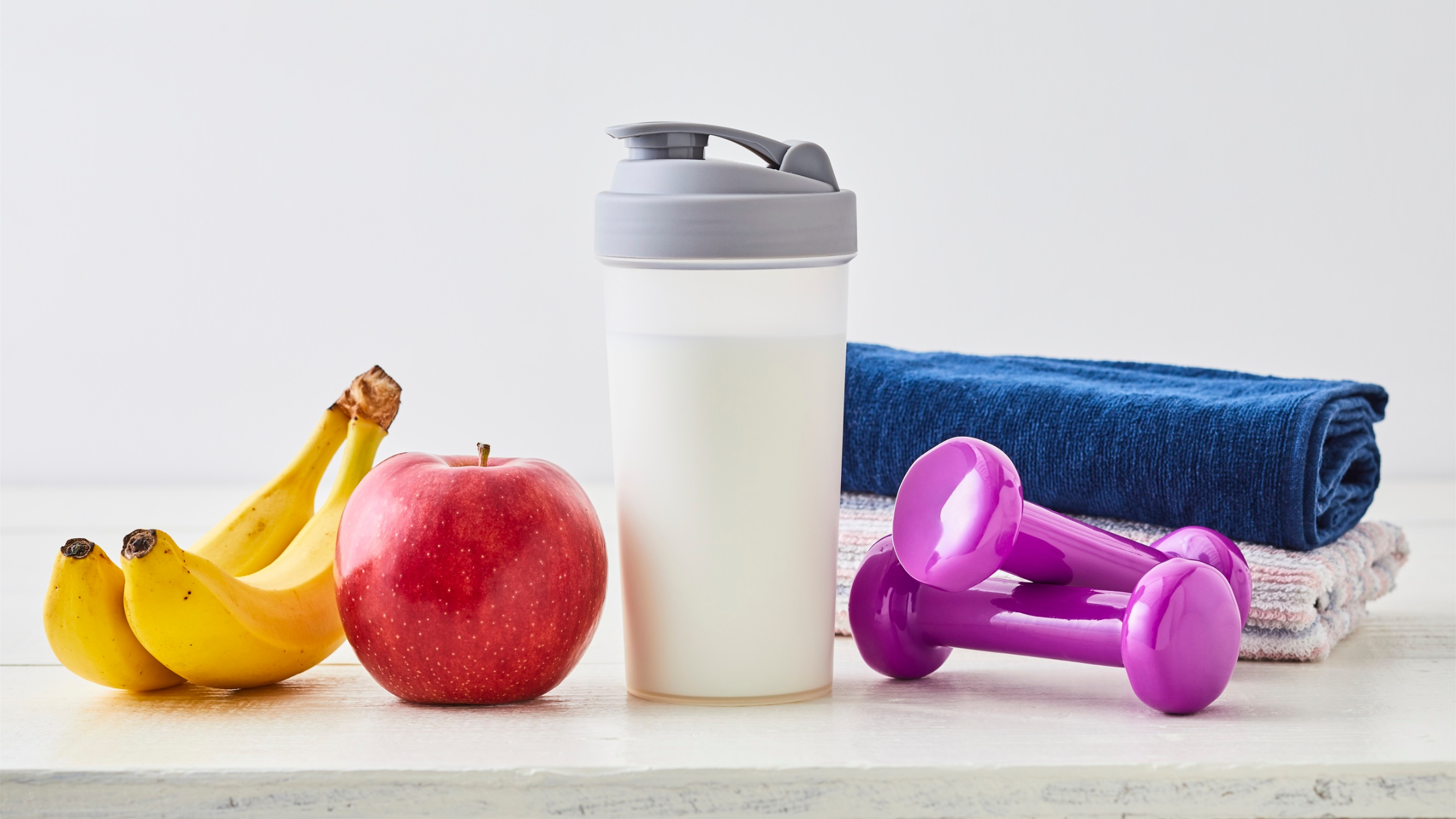
- Banana or other fruit: requires no preparation and can be eaten quickly;
- Rice cakes: are light and can be paired with a small packet of honey or jam;
- Simple sandwich: can be prepared in advance with bread and a lean protein source, if you have enough time to digest it;
- Drinking yogurt or skyr: can be convenient, but need to be stored at an appropriate temperature;
- Dried fruit: provides carbohydrates in a compact portion, but the amount and individual tolerance should be considered;
- Bar: a ready-to-use option when you cannot prepare a fresh snack.
Protein bars can be convenient to carry and use when you need a practical solution. To plan ahead, it may be useful to prepare your snack the night before or keep non-perishable foods available. This helps you avoid arriving at the gym hungry or making a last-minute choice that may not suit your digestive needs.
Frequently asked questions
What should you eat ten minutes before working out?
Ten minutes before working out, it is best to avoid large solid meals, as there would not be enough time for comfortable digestion. If you feel hungry or want to consume a small amount of energy, you can choose a small portion of easily digestible carbohydrates, such as a few sips of a carbohydrate drink, a little honey or a small amount of fruit that you tolerate well.
If you have already eaten an adequate meal, there is no need to add more food ten minutes before your session. It is best to avoid foods that are very high in fat, rich in fibre or particularly substantial, especially if you tend to experience gastrointestinal discomfort during physical activity.
Is it necessary to have a pre-workout snack before every session?
No, a pre-workout snack is not mandatory before every workout. Its usefulness depends on the time of the session, how long it has been since your last meal, the type of activity and your individual sensations. If you have eaten recently and have enough energy, you may not need to eat anything else.
Following an adequate diet throughout the day is more important, providing energy and nutrients in amounts that are consistent with your activity level. A snack can be useful for managing hunger, distributing protein intake or adding carbohydrates when several hours have passed since the last meal.
What pre-workout snack does the Project Invictus approach recommend?
In the educational approach of Project Invictus, the choice of pre-workout snack depends mainly on the time between the meal and the workout. In general, easily digestible foods are preferred, with a greater proportion of carbohydrates and limited amounts of fat and fibre when eating close to the session.
The central principle, however, is that there is no perfect snack that works for everyone. Overall diet, energy requirements and individual tolerance all play an important role in diet and training.
What should you drink before training alongside your pre-workout snack?
The main drink to consider before training is water, which helps maintain adequate hydration and compensate for fluid losses. It is advisable to drink regularly throughout the day rather than waiting until you feel very thirsty before starting physical activity.
For prolonged workouts, hot environmental conditions or heavy sweating, it may also be useful to consider a drink containing electrolytes and carbohydrates. The need depends on the duration and intensity of the effort: for a regular gym session, water is often sufficient.
Some people also choose coffee or products containing caffeine before physical activity. Caffeine can temporarily improve alertness and, under certain conditions, contribute to performance, but the total amount consumed from all sources should be monitored. It is not suitable for everyone and may cause nervousness, palpitations or sleep disturbances.
Pre-workout supplements can contain different combinations of ingredients, including stimulants, amino acids and other components used in sports formulations. Before choosing one, it is important to check the composition, amounts per serving and warnings, avoiding the combination of several products with overlapping ingredients without first assessing the total intake.
A pre-workout snack should help you tackle your workout without weighing down your digestion. Choosing well-tolerated carbohydrates, adding protein when useful and moderating fat and fibre in the hours closest to the session can help you plan a snack suited to your needs. However, there is no mandatory formula: overall diet, hydration, recovery quality and training consistency remain the key factors.