- Diet
- 7 views

- Folic acid and folates: key differences
- Foods that contain folic acid
- What is folic acid used for?
- How to preserve folates during cooking
- Frequently asked questions
Folic acid and folates: key differences
The terms folic acid and folates refer to different forms of vitamin B9, which perform related biological functions but are not chemically identical.
- Folates: these are the forms naturally found in food. They occur in various chemical structures, generally more complex, and take part in numerous metabolic reactions;
- Folic acid: this is a stable, oxidised form used in supplements and in foods to which it is added through fortification.
Once absorbed, the different forms of vitamin B9 take part in the body's metabolic processes. Supplements may also contain 5-MTHF (5-methyltetrahydrofolate), a biologically active form of folate that does not require the same sequence of metabolic conversions as folic acid before it can be used.
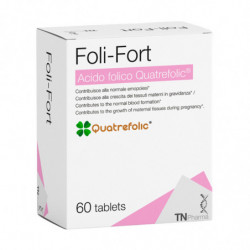
This form is found, for example, in the raw material active form of folate Quatrefolic. 5-MTHF may be an option to consider in certain situations, including when variants of the MTHFR gene, which is involved in folate metabolism, are present. The choice of which form to supplement depends on individual needs and the advice of a healthcare professional.
Foods that contain folic acid
Foods mainly contain natural folates, rather than folic acid in its synthetic form. A varied diet makes it possible to obtain vitamin B9 from different food groups, with particular attention to vegetables, legumes and certain animal-based products.
Leafy greens and vegetables
Leafy green vegetables are among the most interesting dietary sources of folates. Spinach, Swiss chard, lettuce, chicory and other leafy vegetables can make a significant contribution to daily vitamin B9 intake.
Some other vegetables, such as asparagus, broccoli, Brussels sprouts and artichokes, also contain noteworthy amounts. The actual content may vary depending on the variety, freshness, storage conditions and preparation method.
To increase folate intake, it is useful to alternate different vegetables throughout the week, eating some of them raw when possible and suitable for uncooked consumption.
Legumes and cereals
Legumes are another important food group rich in folates. Lentils, chickpeas, beans, peas and broad beans provide vitamin B9 together with fibre, plant-based protein and minerals.
Some cereals and cereal products also contribute to folate intake. These include wheat germ, certain wholegrain products and breakfast cereals. However, it is important to distinguish between the folate naturally present in cereals and any folic acid added through fortification. In some countries, flour and cereal-based products are enriched with folic acid.
For a balanced diet, legumes and whole grains can be alternated and combined with seasonal vegetables.
Fresh fruit and nuts
Fresh fruit can also contribute to vitamin B9 intake, although it generally contains lower amounts than some vegetables and legumes.
Sources include:
- Citrus fruits, such as oranges and grapefruit;
- Avocados;
- Strawberries and other berries;
- Melon;
- Bananas.
Nuts, such as peanuts, walnuts and hazelnuts, also provide folates, as well as unsaturated fats, fibre and other micronutrients. The amounts vary depending on the specific food and the portion consumed.
Foods containing folates and vitamin B12
Folates and vitamin B12 work together in several metabolic processes. Both contribute to the normal formation of red blood cells and the metabolism of homocysteine, an amino acid that is converted through reactions involving both vitamins.
However, their food sources differ: folates are found mainly in plant-based foods, while vitamin B12 is present primarily in animal-based products, such as meat, fish, eggs, milk and dairy products.
Some foods provide both vitamins, although in varying amounts. These include:
- Liver and offal;
- Eggs;
- Milk and dairy products;
- Certain seafood.
Combining plant foods rich in folates with sources of vitamin B12 can help maintain a balanced intake of both nutrients.
What is folic acid used for?
Vitamin B9 is essential for many functions in the body. Folates contribute to the growth of maternal tissue during pregnancy, normal amino acid synthesis, blood formation and cell division.
In particular, they are involved in the production and repair of DNA and RNA, processes that are fundamental to the formation of new cells and tissue renewal. They also contribute to normal homocysteine metabolism and normal psychological function.
An adequate intake is important at every stage of life, but it plays a particularly significant role during periods when the need to produce new cells increases, such as pregnancy. For this reason, women planning a pregnancy are generally advised to take 400 micrograms of folic acid per day, starting before conception and continuing at least throughout the first trimester, in accordance with healthcare guidance.
Benefits for men and older adults
Folic acid is not an important nutrient only for pregnant women. Older adults also need an adequate intake of vitamin B9 to support normal cellular and metabolic functions.
Folates are involved in DNA synthesis and red blood cell production, contributing to the normal functioning of the body. They also take part in cell division and homocysteine metabolism. However, these functions should not be interpreted as proof that supplementation automatically improves fertility or physical performance in people who do not have a deficiency.
For older adults, maintaining a varied diet and an adequate intake of vitamin B9 is important for supporting normal blood cell formation and psychological function. A deficiency may be associated with megaloblastic anaemia and changes in homocysteine levels. However, there is no evidence that taking additional doses of folic acid improves cognitive abilities in all older adults.
As people age, certain risk factors for nutritional deficiencies may also become more common, including a limited diet, malabsorption and the use of certain medications. If a deficiency is suspected, it is therefore advisable to consult a doctor to identify the cause and determine which tests may be necessary.
How to preserve folates during cooking
Folates are water-soluble vitamins that are sensitive to heat. This means that during food preparation they may dissolve into cooking water or break down, particularly when exposed to high temperatures for prolonged periods.
The amount lost depends on the food, the cooking time and the method used. Boiling, for example, can significantly reduce the folate content of vegetables because some of the vitamin passes into the water. Steaming, on the other hand, generally helps preserve a greater proportion.
To limit losses, you can follow a few simple precautions:
- Choose steaming, which reduces direct contact between food and water;
- Reduce cooking times and avoid leaving vegetables on the heat longer than necessary;
- Use a small amount of water when boiling;
- Reuse cooking water to prepare soups and other dishes, so that the folates that have passed into it are not wasted;
- Cut vegetables shortly before preparing them, avoiding prolonged exposure to air;
- Alternate raw and cooked foods whenever eating them raw is safe and appropriate.
To preserve vitamin B9, it is useful to combine different cooking methods, favouring those that limit contact with water and prolonged exposure to heat.
Frequently asked questions
Is it better to take folic acid on a full or empty stomach?
Folic acid can be taken both on a full and on an empty stomach. Taking it between meals may slightly improve its bioavailability, but in practice it can also be taken during or after a meal if this is more convenient or makes it easier to remember the dose.
The most important thing is to follow the amount indicated by your doctor or stated in the product instructions. If you are taking medication or have specific health conditions, you should follow the advice of a healthcare professional.
What should you do if you forget to take a dose of folic acid?
If you forget to take a dose of folic acid, you can generally take it when you remember, unless it is almost time for your next dose. In that case, it is preferable to skip the missed dose and continue with your usual schedule.
You should not take a double dose to make up for a missed one. If folic acid has been prescribed for a specific condition or during pregnancy, it is advisable to follow your doctor's instructions or the product leaflet.
Do bananas contain a good amount of folic acid?
Bananas contain natural folates, but they are not considered one of the richest dietary sources of vitamin B9. An average-sized banana provides approximately twenty micrograms of folates, although the amount varies depending on the size and composition of the fruit.
They can therefore contribute to daily intake, but it is preferable to alternate them with foods richer in vitamin B9, such as spinach, asparagus, legumes and other leafy green vegetables.
Folic acid and folates are important for DNA synthesis, cell division, red blood cell formation and the normal functioning of the body. To obtain vitamin B9 through your diet, it is useful to regularly eat leafy green vegetables, legumes, cereals, fresh fruit and nuts, alternating between different sources.