- Diet
- 15 views
- The best potassium-rich foods
- Potassium content in foods: nutritional table
- Foods rich in potassium and magnesium
- Potassium-rich foods to avoid
- Frequently asked questions
The best potassium-rich foods
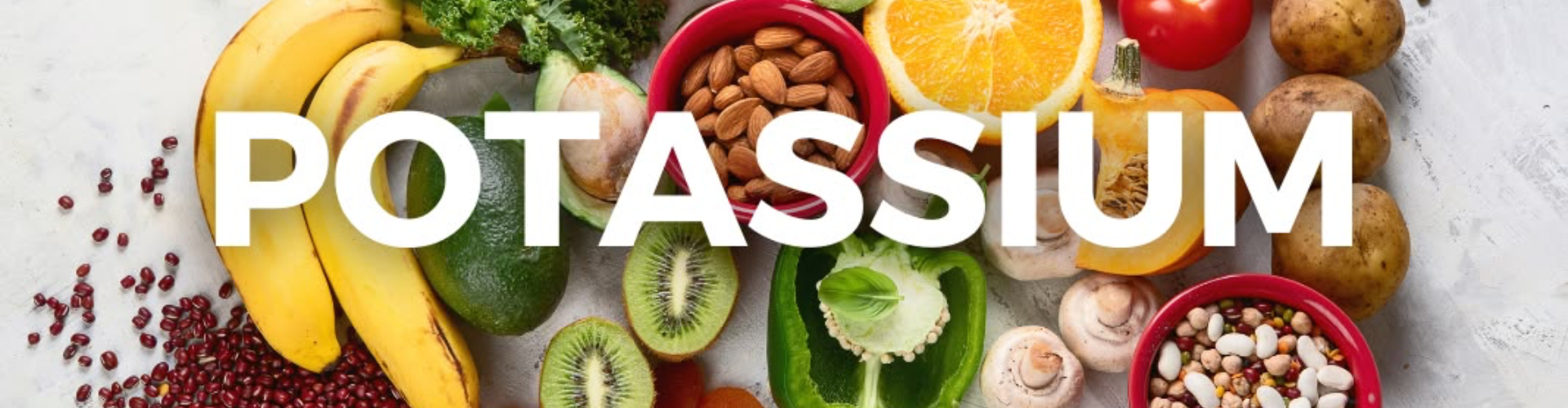
Potassium is found in many everyday foods. Some of the most important sources include fresh fruit, vegetables, tubers, legumes, seeds and nuts. Certain animal-based foods, such as fish and dairy products, can also contribute to daily potassium intake.
According to EFSA reference values, the adequate potassium intake for adults is 3,500 mg per day. This is a reference for total dietary intake, not an amount that must necessarily be obtained from a single food or through supplements. For most people, a varied diet is the main way to obtain this mineral.
Fresh fruit with the highest potassium content
Fruit is an important source of potassium and can easily be included in meals and snacks. Some fruits provide particularly noteworthy amounts, although their potassium content varies according to the variety, ripeness and portion size.
Fresh fruits containing potassium include:
- Avocado: one of the fruits richest in this mineral, it also provides fibre and predominantly unsaturated fats;
- Banana: a well-known source of potassium, convenient to eat and suitable for different times of the day;
- Kiwi: contains potassium and vitamin C, as well as fibre and other micronutrients;
- Melon: provides water and potassium, making it particularly suitable during the warmer months;
- Fresh apricots: provide potassium and carotenoids, including beta-carotene;
- Oranges: contain potassium and vitamin C, as well as a good amount of water;
- Pomegranate: provides potassium and plant compounds belonging to the polyphenol family.
It is important to distinguish fresh fruit from dried fruit: removing much of the water during the drying process concentrates nutrients per 100 grams of product. Raisins, dried apricots and dates can therefore contain much higher amounts of potassium than their fresh counterparts. However, serving sizes are generally different too.
The richest vegetables
Vegetables are another important food group for increasing potassium intake. Some vegetables, particularly leafy greens and tubers, can contain high amounts. The main sources include:
- Spinach: rich in potassium, especially when cooked and some of the water has been removed;
- Potatoes: provide noteworthy amounts of the mineral, which can vary depending on the variety and cooking method;
- Sweet potatoes: contain potassium and complex carbohydrates, as well as carotenoids;
- Tomatoes: a source of potassium that can be eaten fresh or used in purées and sauces;
- Beetroot: provides potassium and other micronutrients, as well as characteristic plant compounds;
- Broccoli: contains potassium, fibre and vitamin C;
- Pumpkin: provides potassium and carotenoids, with amounts varying according to the variety.
Cooking can change the potassium content of vegetables. Boiling, especially in plenty of water that is subsequently discarded, can reduce the amount of the mineral in the portion. By contrast, roasting or steaming tends to preserve a greater proportion. For this reason, when comparing nutritional values, it is important to check whether they refer to raw or cooked food.
Legumes and nuts
Legumes, seeds and nuts are particularly interesting foods because they provide potassium alongside other nutrients. Lentils, beans, chickpeas and soy also provide plant protein and fibre, while nuts such as almonds, pistachios, cashews and walnuts contain predominantly unsaturated fats.
Some of the most significant plant-based sources include:
- Beans: provide potassium, plant protein and fibre, with values that vary according to the variety and preparation method;
- Lentils: are a good source of potassium and also contain iron, fibre and protein;
- Chickpeas: provide potassium and plant protein and can be used in many different recipes;
- Soybeans and edamame: contain potassium and a significant amount of protein;
- Almonds: provide potassium, magnesium, fibre and unsaturated fats;
- Pistachios: are a source of potassium and also contain protein and other minerals;
- Pumpkin seeds: are particularly interesting for their potassium and magnesium content.
Almonds, walnuts, cashews and pistachios can be included in snacks, keeping portions in mind because they are energy-dense foods. Legumes and soy are also useful for varying dietary protein sources and including plant-based protein.
Potassium content in foods: nutritional table
To compare foods, it is useful to look at the amount of potassium contained in 100 grams of product. This provides a common reference point, although it does not always correspond to the amount actually consumed: for example, a serving of nuts is generally smaller than a serving of vegetables or fresh fruit.
The values below are indicative and may vary according to variety, ripeness, storage and cooking method. For cooked foods, it is also important to consider water loss or absorption during preparation.
Nutritional values per 100 grams
The following table lists foods that can make a significant contribution to daily potassium intake, distinguishing between fruit, vegetables, legumes and nuts.
| Food | Potassium (mg/100 g) |
|---|---|
| Dried apricots | 1,160 |
| Pistachios | 1,025 |
| Pumpkin seeds | 809 |
| Raisins | 744 |
| Almonds | 733 |
| Dates | 696 |
| Cooked spinach | 636 |
| Baked potatoes with skin | 531 |
| Avocado | 485 |
| Cooked edamame | 422 |
| Cooked beans | 400 |
| Cooked lentils | 369 |
| Banana | 358 |
| Kiwi | 312 |
| Cooked broccoli | 291 |
| Melon | 267 |
| Fresh tomato | 237 |
| Orange | 181 |
| Cucumber | 147 |
| Strawberries | 153 |
| Apple with skin | 107 |
As the table shows, some dried foods and nuts have particularly high values per 100 grams. Cooked spinach and potatoes can also make a significant contribution to mineral intake. Bananas are a well-known source, but they are not necessarily the food with the highest concentration.
To interpret the data correctly, it is important to consider serving size: 100 grams of pistachios, for example, is considerably more than the amount normally eaten as a snack. The potassium content per serving may therefore differ considerably from what the per-100-gram comparison suggests.
PDF version of the table
To consult the values outside this page, a PDF version of the table is available, featuring a selection of foods and their potassium content per 100 grams. It can be used as a practical reference for comparing the main dietary sources and planning your shopping.
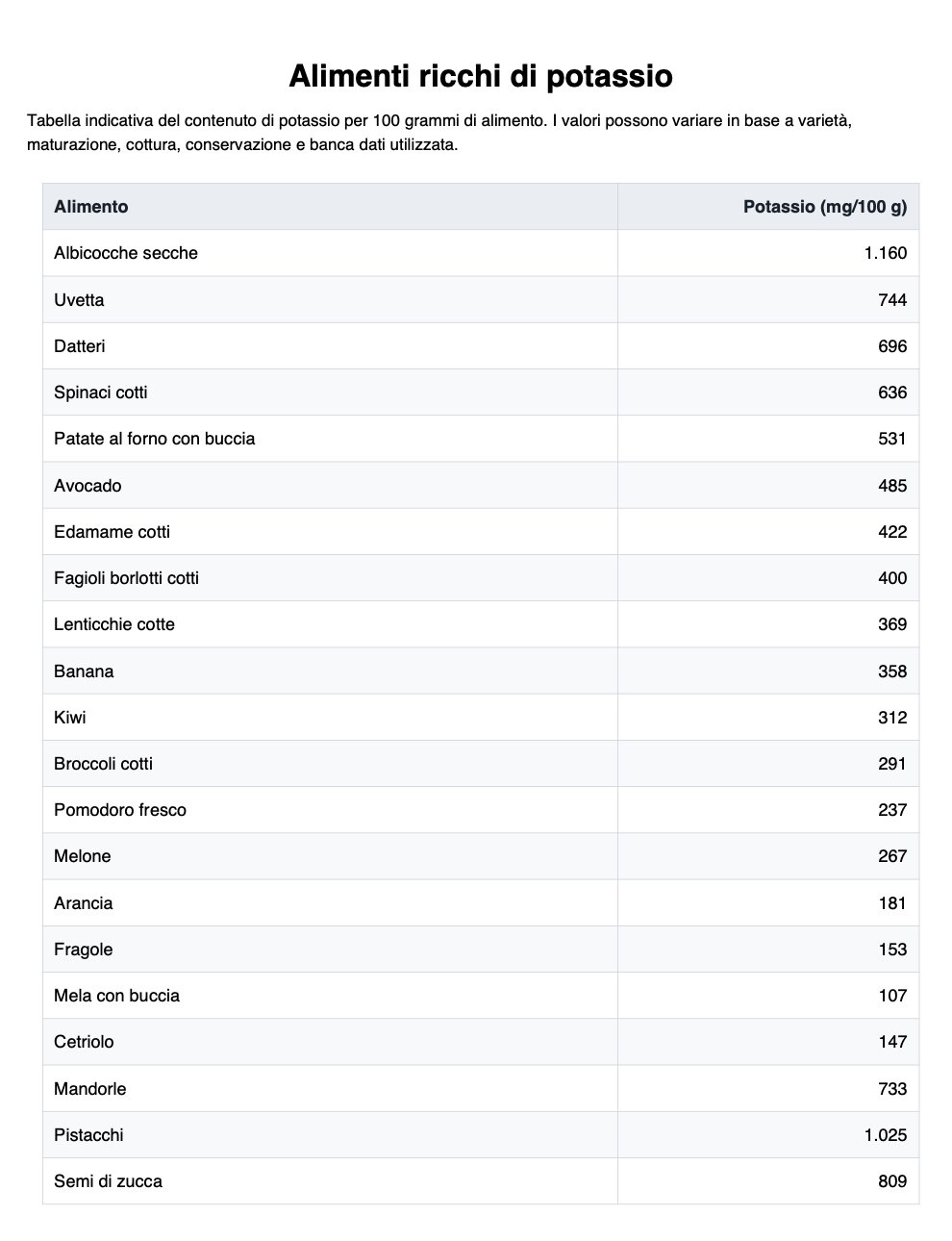
Download the table of potassium-rich foods in PDF format.
Foods rich in potassium and magnesium
Potassium and magnesium are two essential minerals that work together to maintain electrolyte balance and the normal functioning of muscles and the nervous system. Potassium contributes to normal muscle function and the maintenance of normal blood pressure, while magnesium also plays a role in energy metabolism and the normal transmission of nerve impulses.
Some of the most interesting sources include:
- Spinach: provides potassium and magnesium, as well as folate and other micronutrients;
- Legumes: beans, chickpeas and lentils contain both minerals and also provide fibre and plant protein;
- Nuts: almonds and cashews provide potassium and magnesium alongside unsaturated fats and protein;
- Pumpkin seeds: are a concentrated source of magnesium and also contain potassium;
- Avocado: provides both minerals, as well as fibre and predominantly unsaturated fats;
- Potatoes: mainly contain potassium and also provide some magnesium;
- Banana: is known for its potassium content and also contributes, to a lesser extent, to magnesium intake.
Including these foods in your diet can help maintain an adequate intake of both minerals, without the need to always take them together in supplement form. The amounts consumed depend on the variety of foods and portion sizes.
Potassium-rich foods to avoid
Potassium-rich foods do not need to be avoided across the board: for people with normal kidney function, this mineral is essential, and a varied diet that includes fruit and vegetables is an important part of balanced nutrition.
The need to limit certain foods mainly concerns people with high blood potassium levels (hyperkalaemia), chronic kidney disease or conditions that reduce the body's ability to eliminate the mineral. Some medications can also affect potassium levels, making an individual assessment necessary.
When a doctor or dietitian prescribes a low-potassium diet, it may be necessary to monitor portions of foods such as:
- Bananas, avocados, kiwis and dried fruit;
- Oranges and concentrated fruit juices;
- Potatoes, sweet potatoes and pumpkin;
- Cooked spinach, tomatoes and concentrated tomato products;
- Dried and cooked legumes, such as lentils, beans and chickpeas;
- Nuts, seeds and some wholegrain products.
It is not necessary to automatically eliminate all these foods: the amount that can be eaten depends on test results, kidney function, treatments and portion sizes. Some salt substitutes may also contain potassium chloride and should be assessed carefully by anyone who needs to monitor their potassium intake.
Low-potassium fruit and vegetable options
When a low-potassium diet is necessary, it is possible to choose fruit and vegetables that generally provide lower amounts of this mineral. Some common alternatives include:
- Fruit: apples, pears, grapes, strawberries, blueberries, raspberries, pineapple, peaches and cranberries;
- Vegetables: cucumbers, lettuce, cabbage, cauliflower, onions, peppers, courgettes, aubergines and radishes.
These foods can help add variety to the diet, but it is still important to consider portion sizes and the overall potassium content of the meal. Even a food that is relatively low in potassium can contribute a high amount if eaten in very large quantities.
In some situations, boiling vegetables in plenty of water and then discarding the cooking liquid can further reduce their potassium content. However, the technique and preparation methods should be agreed with a dietitian, especially when following a specific diet for kidney disease.
Frequently asked questions
Can eating potassium-rich foods raise blood sugar levels?
Potassium-rich foods do not directly raise blood sugar simply because they contain this mineral. Any effect on blood glucose levels mainly depends on the overall composition of the food, particularly the amount and type of carbohydrates it contains.
People with diabetes therefore do not need to automatically eliminate potassium-rich foods, but should assess portion sizes and carbohydrate content as part of their dietary plan. It is also important to consider that potassium plays a role in normal insulin secretion and that insufficient intake may be associated with changes in glucose metabolism.
Which water has the highest potassium content?
There is no single mineral water that can be identified universally as having the highest potassium content: the concentration varies according to the source and mineral composition. To compare different waters, it is necessary to read the label and check the potassium value expressed in mg per litre.
It is worth remembering that many mineral waters contain relatively small amounts of potassium compared with foods such as legumes, nuts and vegetables. The choice of water should also take into account other minerals, such as sodium, calcium and magnesium, as well as any medical recommendations.
Is a blood potassium level of 5.3 considered normal?
A blood potassium level of 5.3 mmol/L is at the upper end of the reference range and may be considered borderline or slightly elevated, depending on the range used by the laboratory. Some laboratories indicate an upper limit of 5.2 mmol/L, while others use 5.3 mmol/L.
The result must be interpreted in light of the reference range shown on the report, kidney function, any medications being taken and other blood test parameters. In addition, a haemolysed blood sample or one that has not been stored correctly may produce a falsely elevated result.
If the result is flagged as abnormal, it is advisable to discuss it with a doctor, who can assess whether the test should be repeated or further investigations are needed. You should not independently change your diet or stop prescribed medication based on a single result.
Is apple suitable for a low-potassium diet?
Yes, apples are generally considered a fruit with a relatively low potassium content and can be included in many dietary plans that require a reduction in this mineral. A fresh apple with skin provides approximately 100–110 mg of potassium per 100 grams, less than the amount found in bananas, avocados or kiwis.
Apples can therefore be an alternative to fruit with a higher potassium content, but portion size must still be assessed according to the recommendations received. In the presence of kidney disease or hyperkalaemia, it is preferable to follow the advice of a dietitian experienced in renal nutrition, rather than independently eliminating or introducing foods.
Potassium-rich foods include many different food groups, from fresh fruit and vegetables to legumes, seeds and nuts. Bananas, avocados, spinach, potatoes, lentils and pistachios are some of the most interesting sources, while legumes, leafy green vegetables and seeds can also contribute to magnesium intake.
Knowing the nutritional values per 100 grams helps compare foods, but it is also important to consider portion sizes and preparation methods. In cases of hyperkalaemia, kidney disease or the use of medications that affect electrolyte balance, it is essential to consult a doctor or dietitian before changing your diet or using supplements.