- Diet
- 6 views
- What is zinc used for in the body?
- Which foods are rich in zinc?
- Dietary sources of zinc, selenium and copper
- Frequently asked questions
What is zinc used for in the body?
Zinc is an essential mineral involved in the activity of numerous enzymes and proteins. The body contains relatively small amounts of it, distributed mainly in the muscles and bones, but it plays an important role in the normal functioning of various tissues.
It participates in DNA and protein synthesis, cell division, and tissue growth and repair processes. It also contributes to macronutrient metabolism, normal cognitive function and the maintenance of normal skin, hair and nails.
Adequate zinc intake is important at every stage of life, but it is particularly relevant during periods of growth, pregnancy and breastfeeding, when the body's requirements may increase.
Support for the immune system and testosterone
One of zinc's best-known functions is its contribution to the normal functioning of the immune system. This mineral supports the development and activity of immune cells and participates in the mechanisms that regulate the body's response to external agents.
Zinc also contributes to the protection of cells against oxidative stress and is involved in cell division processes. These functions are important for tissue maintenance and normal repair processes.
Another aspect that is often explored is the relationship between zinc and testosterone. This mineral contributes to normal reproductive function and protein synthesis, and is also involved in the processes that regulate hormonal activity. A significant deficiency can impair normal reproductive function and affect testosterone production.
However, it is important not to interpret this role as an automatic boosting effect: taking more zinc than the body requires does not necessarily increase testosterone levels in people who already have adequate levels.
Which foods are rich in zinc?
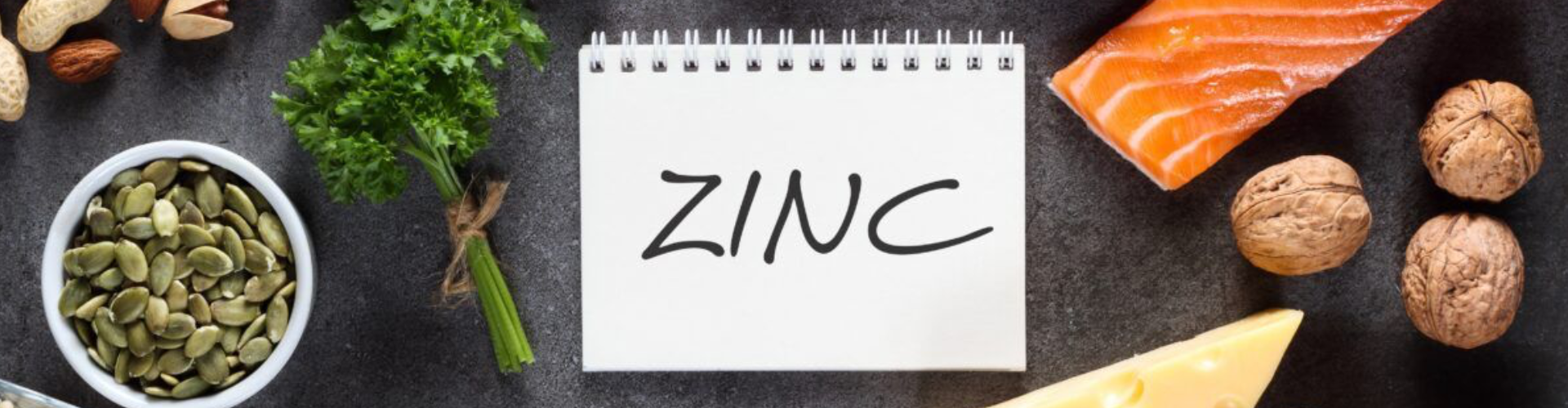
Zinc is found in both animal-based and plant-based foods, but its amount and bioavailability can vary considerably. Oysters, shellfish, meat and certain oilseeds are among the most concentrated dietary sources.
In plant-based foods, zinc may be less easily absorbed because of the presence of phytates, natural compounds that bind to various minerals during digestion and reduce their availability. Soaking, sprouting and fermentation can help reduce phytate content and improve zinc absorption.
Seafood and oysters
Among the foods richest in zinc are oysters, which are considered one of the most concentrated dietary sources of this mineral. Their zinc content can vary considerably depending on the species, origin and preparation method, but a serving may provide an amount equal to or greater than an adult's daily requirement.
Other seafood products also contribute to daily intake:
- Crabs: they contain zinc and other minerals, as well as high-quality protein;
- Lobsters: they provide zinc, copper and selenium, in varying amounts depending on the species;
- Mussels and clams: they are sources of zinc, iron and vitamin B12;
- Shrimp: they contain more moderate amounts of zinc, along with protein and other micronutrients;
- Fish: some varieties, such as sardines and salmon, contribute to zinc intake, although generally in lower amounts than shellfish.
The zinc content of seafood makes these foods interesting additions to a varied diet. However, it is important to follow standard hygiene and food safety precautions, especially when eating raw or lightly cooked shellfish.
Red meat and eggs
Meat is one of the most practical sources of zinc in the daily diet. In particular, beef and lamb can provide significant amounts of this mineral, which is generally more bioavailable than the zinc found in many plant-based foods.
Other animal-based sources include:
- Beef: it contains significant amounts of zinc, especially in certain lean cuts;
- Pork: it provides zinc, protein and B vitamins;
- Turkey and chicken: they contribute to daily requirements, although their zinc content may be lower than that of some red meats;
- Eggs: they contain zinc, mainly in the yolk, along with protein, fats and other micronutrients;
- Cheese and dairy products: some varieties, particularly aged cheeses, can provide appreciable amounts of this mineral.
It is not necessary to eat red meat frequently to meet zinc requirements. Different protein sources can be alternated, including fish, eggs, dairy products and plant-based foods, to maintain a balanced and varied diet.
Legumes, seeds and nuts
People following a vegetarian or vegan diet can obtain zinc from legumes, whole grains, seeds and nuts. These foods are valuable plant-based sources, but it is important to remember that phytates can reduce the amount actually absorbed by the body.
Some of the richest alternatives include:
- Pumpkin seeds: they are among the most concentrated plant-based sources of zinc and also provide magnesium and unsaturated fats;
- Sesame seeds: they contain zinc, calcium and predominantly unsaturated fats;
- Cashews: they provide zinc, along with copper, magnesium and other minerals;
- Almonds and peanuts: they contribute zinc, plant-based protein and fibre;
- Lentils and chickpeas: they provide zinc, protein and fibre, and are also an important part of plant-based diets;
- Beans and soy: they contain zinc and can contribute to daily requirements through one-pot meals and plant-based dishes;
- Oats and whole grains: they provide varying amounts of zinc, along with fibre and complex carbohydrates.
Oilseeds, particularly pumpkin and sesame seeds, are therefore an interesting choice for increasing the variety of micronutrients in the diet. They can be added to yoghurt, salads, porridge and baked goods, while paying attention to portion sizes because they are energy-dense foods.
To improve the availability of zinc in plant-based foods, certain preparation techniques can be used, such as soaking legumes, sprouting and fermenting dough. These processes can reduce some of the phytates and promote mineral absorption.
Nutritional table of foods with the highest zinc content
To compare the main dietary sources of zinc, the following table shows some average values per 100 grams of food. The figures are indicative and may vary according to species, origin, processing and cooking methods.
| Food | Zinc (mg/100 g) |
|---|---|
| Oysters | 16-40 |
| Cooked beef | 4-8 |
| Pumpkin seeds | 7-8 |
| Sesame seeds | 5-8 |
| Cashews | 5-6 |
| Cooked crab | 3-4 |
| Cheddar cheese | 3-4 |
| Oats | 2-4 |
| Cooked lentils | 0.8-1.5 |
| Cooked chickpeas | 1-2 |
| Whole eggs | 1-1.3 |
| Cooked shrimp | 1-2 |
The table shows that oysters are particularly rich in zinc, while pumpkin seeds, sesame seeds, cashews and beef are other interesting sources. It is important to remember that values per 100 grams do not necessarily correspond to the amounts consumed in a typical serving.
Furthermore, the total content does not indicate how much of the mineral will actually be absorbed. Animal-based sources generally have higher bioavailability, whereas the presence of phytates in plant-based foods may reduce absorption.
Dietary sources of zinc, selenium and copper
In addition to zinc, the body needs other trace minerals, including selenium and copper, which are involved in numerous metabolic processes and in protecting cells against oxidative stress. These minerals perform different functions, but together they contribute to maintaining normal physiological balance.
- Selenium: it participates in the activity of antioxidant enzymes and contributes to the normal functioning of the immune system and thyroid gland.
- Copper: it is involved in energy metabolism, iron transport and the protection of cells against oxidative stress.
- Zinc: it participates in protein synthesis, cell division and immune system function.
Some foods provide more than one of these micronutrients:
- Seafood: oysters, mussels and crabs can provide varying amounts of zinc, copper and selenium;
- Meat and offal: beef and liver provide zinc and copper, while selenium content depends on the type of food;
- Fish: tuna, sardines and other fish products can contribute to zinc and selenium intake;
- Nuts and seeds: cashews, pumpkin seeds and sesame seeds contain zinc and copper; their selenium content varies according to origin;
- Legumes and whole grains: they provide zinc and copper, as well as fibre and other micronutrients.
An important aspect concerns the balance between zinc and copper: long-term intake of high doses of zinc can reduce copper absorption and contribute to copper deficiency. For this reason, it is best to avoid high-dose supplementation without a genuine need and professional advice.
Frequently asked questions
Can iron and zinc be taken in the same meal?
Yes, iron and zinc can be obtained through the same meal, because a normal diet generally does not cause significant interference between the two minerals. The situation may be different when they are taken as concentrated supplements.
High doses of iron, especially when taken together with zinc on an empty stomach, can reduce zinc absorption. The interaction depends on the amounts, the ratio between the two minerals and whether food is present when they are taken.
Is dietary zinc good for your hair?
Zinc contributes to the maintenance of normal hair and participates in protein synthesis and cell division, processes that are important for the normal functioning of tissues. Adequate intake is therefore also useful for hair follicle health.
Zinc deficiency may be associated with hair loss and changes in hair structure. In these cases, correcting the deficiency through diet or supplementation recommended by a professional may help restore adequate nutritional status. Hair loss can have many causes, including genetic predisposition, hormonal changes, stress and other nutritional deficiencies.
Can excessive zinc intake harm the liver or pancreas?
Excessive zinc intake, particularly through high-dose supplements taken over prolonged periods, can have negative effects on health. The most common adverse effects include nausea, vomiting, abdominal cramps, diarrhoea, headaches and loss of appetite.
One of the most important risks of chronically consuming high amounts is reduced copper absorption. This imbalance can cause copper deficiency, with possible consequences for the immune system, blood cell production and neurological function.
It is not correct to claim that normal consumption of zinc-rich foods directly damages the liver or pancreas. The risk of toxicity is mainly associated with excessive intake through supplements or other concentrated sources. The tolerable upper intake level established at European level for adults is 25 mg of total zinc per day, including both food and supplements.
When is it better to use a zinc supplement instead of relying on food?
Under normal circumstances, zinc requirements can be met through a varied and balanced diet. A supplement may be considered when dietary intake is insufficient or when certain conditions increase the risk of deficiency.
Situations that may require specific assessment include:
- Highly restrictive diets: diets that exclude numerous food sources of zinc, particularly if they are not properly planned;
- Vegetarian and vegan diets: these may require greater attention because plant-based sources contain phytates that reduce zinc absorption;
- Intestinal absorption disorders: certain gastrointestinal conditions can impair the absorption of micronutrients;
- Periods of increased requirements: pregnancy and breastfeeding require adequate intake, which should be assessed in relation to diet and professional advice;
- Documented deficiency: when tests and clinical assessment indicate a deficiency, a professional may recommend targeted supplementation.
However, it is not necessary to take zinc automatically during periods of intense training or fatigue: physical activity alone does not indicate a deficiency. The choice of dosage should also take into account the amount of zinc already obtained from food and the duration of supplementation.
Zinc is an essential trace mineral for immune system function, protein synthesis, cell division and the maintenance of normal skin and hair. The most concentrated dietary sources are oysters and other seafood, meat, pumpkin seeds, sesame seeds and nuts. Legumes and whole grains also contribute to daily intake, although their bioavailability is generally lower. In most cases, a varied diet makes it possible to meet requirements without supplements. It is important not to exceed recommended amounts: excessive and prolonged zinc intake can interfere with copper absorption and cause adverse effects.