- Diet
- 3 views
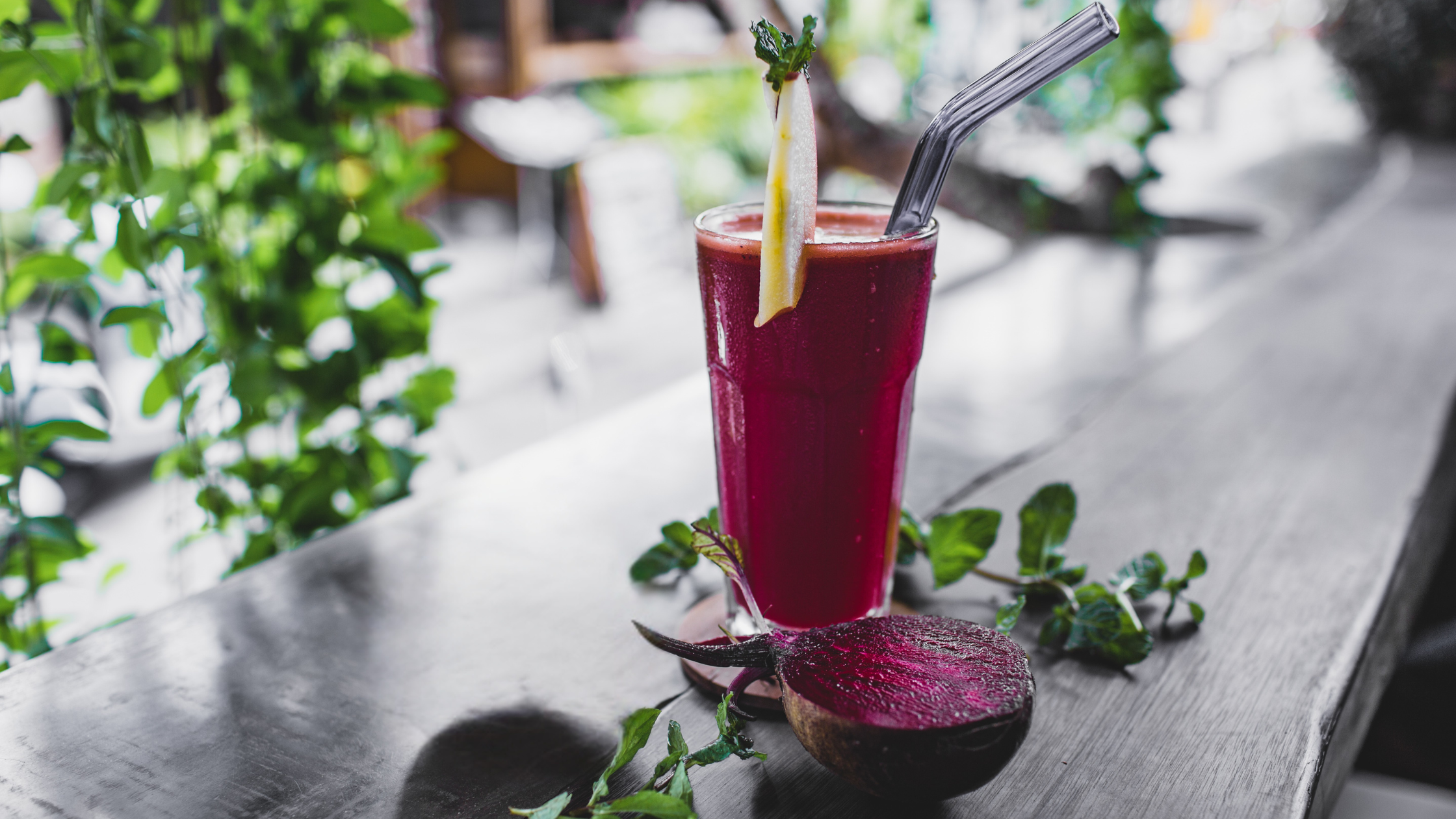
- Properties and contraindications of red beetroot
- Contraindications of red beetroot
- Raw and pre-cooked red beetroot compared
- Frequently asked questions
Properties and contraindications of red beetroot
Red beetroot is a vegetable with a distinctive intense colour, appreciated for its sweet taste and its content of fibre, vitamins, minerals and plant compounds. It can easily be included in a varied and balanced diet and eaten raw, cooked or in juice form.
Its characteristic compounds include natural nitrates, pigments belonging to the betalain family and betaine. These compounds are of scientific interest because of their potential role in various physiological processes, including those related to blood circulation and metabolism. However, it is important to distinguish the vegetable's nutritional properties from clinical benefits that have not yet been definitively demonstrated.
Red beetroot is generally well tolerated, but in certain situations it is advisable to pay attention to the quantities consumed. Its oxalate content, for example, may be a factor to consider for people predisposed to certain types of kidney stones. Consuming large amounts may cause gastrointestinal problems in sensitive individuals.
Main nutritional benefits
Red beetroot provides several nutrients that are useful for the normal functioning of the body. These include dietary fibre, potassium, folate and vitamin C, as well as plant compounds that contribute to its nutritional characteristics.
Its main components include:
- Fibre: contributes to normal bowel function and helps make dietary fibre intake more varied and complete;
- Folate (vitamin B9): contributes to normal blood cell formation, amino acid synthesis and the process of cell division;
- Potassium: contributes to the maintenance of normal blood pressure and the functioning of the nervous system and muscles;
- Vitamin C: contributes to the protection of cells from oxidative stress and the normal functioning of the immune system;
- Natural nitrates: can be converted into nitrites in the body and subsequently contribute to the production of nitric oxide, a molecule involved in regulating blood vessel tone;
- Betalains: are plant pigments responsible for beetroot's red and purple shades and have antioxidant activity that has been studied in various experimental settings;
- Betaine: is a compound involved in the metabolism of methyl groups and in certain metabolic processes that also affect the liver.
One of the most widely studied aspects of beetroot is its nitrate content. In the body, these compounds are involved in the nitrate-nitrite-nitric oxide metabolic pathway. Nitric oxide contributes to the regulation of vasodilation and blood flow.
For this reason, beetroot juice and concentrated beetroot supplements have also been studied in the field of sports nutrition, particularly in relation to endurance and efficiency during certain physical activities.
When it is best to avoid it
For most people, red beetroot can be eaten regularly as part of a balanced diet. However, there are certain situations in which it is advisable to limit consumption or seek medical advice before taking large amounts, especially in the form of concentrated juices or supplements.
Particular care is recommended in the following cases:
- Predisposition to kidney stones: beetroot contains oxalates, compounds that may contribute to the formation of calcium oxalate stones in predisposed individuals. In these cases, the amount to be consumed should be assessed according to medical history and the advice of a healthcare professional;
- Low blood pressure: the nitrates in beetroot may contribute to nitric oxide production and vasodilation. People with hypotension or those taking blood pressure-lowering medication should seek advice before consuming large amounts of juice or concentrated extracts;
- Intestinal sensitivity: consuming large amounts may cause bloating, intestinal gas or changes in bowel habits in some people, partly due to its fibre content and other fermentable carbohydrates;
- Existing medical conditions or treatments: if you have a medical condition requiring a controlled diet or take specific medication, you should discuss the consumption of concentrated products with your doctor or dietitian.
Contraindications of red beetroot
The main precautions associated with red beetroot consumption relate primarily to its oxalate content, the possible occurrence of gastrointestinal problems and, in certain circumstances, the effect of nitrates on blood pressure.
These factors do not mean that beetroot should be avoided by everyone. Tolerance depends on the amount consumed, how frequently it is eaten and individual characteristics. The difference between the whole vegetable, juice and concentrated extract is also important, as these preparations do not necessarily provide the same amounts of fibre and plant compounds.
Kidney stones and oxalates
Red beetroot contains oxalates, natural compounds also found in other plant foods, such as spinach, rhubarb and certain types of nuts. Oxalates can bind to calcium and, under certain conditions, promote the formation of calcium oxalate crystals, one of the most common components of kidney stones.
In healthy people, eating beetroot as part of a varied diet is not generally a problem. However, it is advisable to take greater care if you have a history of calcium oxalate kidney stones or other conditions that increase your predisposition to their formation.
Hydration also plays an important role in preventing kidney stone formation, because an adequate urine volume helps dilute substances that may crystallise. Recommendations should nevertheless be personalised, especially in the presence of kidney disease or conditions requiring fluid intake to be monitored for kidney health.
Gastrointestinal problems
Red beetroot contains fibre and other plant compounds that may contribute to normal bowel function. However, especially when consumed in large quantities or introduced into the diet too quickly, it may cause digestive problems in more sensitive individuals.
Possible gastrointestinal effects include:
- Abdominal bloating: may occur following the intestinal fermentation of certain carbohydrates and fibres;
- Gas production: may increase in sensitive individuals or when large portions are consumed.
- Changes in bowel habits: fibre intake may affect bowel regularity, especially if the amount consumed changes suddenly;
- Abdominal discomfort: some people may experience heaviness or cramps, particularly after consuming large amounts of juice or beetroot.
People with irritable bowel syndrome or particular sensitivity to fermentable carbohydrates may tolerate beetroot differently from others. In these cases, the response depends on the portion, preparation method and individual tolerance.
Cooking can change the food's texture and make it easier to chew, but it does not necessarily eliminate all the compounds responsible for possible digestive problems. Juices also require some care: compared with the whole vegetable, they generally contain less fibre but may provide a concentrated amount of natural sugars and other components in a portion that is easier to consume quickly.
If bloating, abdominal pain or changes in bowel habits persist, it is advisable to discuss them with a doctor or dietitian. These symptoms should not automatically be attributed to beetroot, as they may have many other causes.
Raw and pre-cooked red beetroot compared
Red beetroot can be eaten both raw and cooked. Both preparations make it possible to include it in the diet, but they differ in terms of texture, taste, convenience and nutrient retention.
- Raw beetroot retains a crunchy texture and a stronger flavour. It can be grated, thinly sliced or added to salads. Eating it uncooked avoids the loss of certain heat-sensitive or water-soluble nutrients, although the amount actually absorbed depends on the food matrix and preparation method;
- Pre-cooked beetroot is softer and generally has a milder flavour. It is convenient to use because it does not require lengthy preparation and can be added directly to salads, side dishes, purées and other recipes. Cooking can change the content of certain vitamins and plant compounds, especially when it takes place in water and some water-soluble substances pass into the cooking liquid.
The main differences can be summarised as follows:
- Texture: the raw version is crunchier, while the cooked version is more tender and soft;
- Flavour: raw beetroot tends to have a more intense, earthy taste; cooking can make it sweeter and milder;
- Vitamins: some vitamins, such as vitamin C and folate, may decrease during cooking, especially if it is prolonged or carried out in a large amount of water;
- Fibre: cooking mainly changes the texture but does not necessarily eliminate the dietary fibre present in the vegetable;
- Convenience: the pre-cooked version is quicker to use, while the raw version requires washing, cleaning and preparation.
The amount of nitrates and other plant compounds may vary depending on the variety, growing conditions, storage and preparation method. It is therefore not possible to establish that one of the two versions is always nutritionally superior to the other.
Frequently asked questions
How do stools change after eating red beetroot?
After eating red beetroot, stools may take on a reddish or purplish colour. This phenomenon is caused by the vegetable's natural pigments, known as betalains, which may pass through the digestive tract without being completely broken down in some people.
The colour change may also affect urine, which can become pink or reddish. This phenomenon is known as beeturia. It is generally a temporary and harmless effect that tends to disappear once the pigments have been eliminated.
How many times a week can red beetroot be eaten?
There is no mandatory weekly frequency or limit that applies to everyone. Red beetroot can be included regularly in a varied diet, alternating it with other vegetables and adjusting portions to individual nutritional needs and tolerance.
For most people, eating it as a regular food does not require any particular restrictions. However, anyone with a history of calcium oxalate kidney stones, following a low-oxalate diet or living with specific medical conditions should seek personalised advice from a doctor or dietitian.
Is red beetroot good for liver health?
Red beetroot contains betaine and antioxidant compounds that have been studied for their potential role in certain metabolic processes. Betaine, in particular, is involved in the metabolism of methyl groups and contributes to the methionine cycle, a series of reactions that also involves liver health.
These characteristics have attracted scientific interest because of their possible effects on lipid metabolism and liver function. However, it is not correct to claim that eating beetroot detoxifies the liver, eliminates toxins or prevents and treats liver disease.
Does eating red beetroot cause weight gain?
Red beetroot does not cause weight gain in itself. It is a vegetable that can also be included in a diet aimed at weight management because it provides water, fibre and carbohydrates, while generally having a relatively low calorie content compared with many other foods.
Changes in body weight mainly depend on the overall energy balance over time, that is, the relationship between the calories consumed through food and those used by the body. It is therefore not correct to attribute weight gain to a single food.
Red beetroot is a nutritious vegetable that provides fibre, folate, potassium and plant compounds such as nitrates, betalains and betaine. It can contribute to dietary variety and, thanks to its nitrates, is also being studied in cardiovascular and sports nutrition contexts. However, it is not a miracle food and does not replace a balanced diet or any medical treatments. The main precautions concern its oxalate content, especially for people predisposed to kidney stones, and the possible occurrence of gastrointestinal problems when consumed in large amounts.