- Diet
- 3 views

- Table of foods rich in calcium and vitamin D
- Foods rich in calcium
- Foods rich in vitamin D
- Frequently asked questions
Table of foods rich in calcium and vitamin D
There are relatively few foods that provide calcium and vitamin D at the same time. These mainly include certain fish eaten with their bones, such as sardines, and fortified products to which one or both nutrients are added during processing.
The following table provides some examples of foods that can contribute to calcium and vitamin D intake. The values are indicative and may vary depending on the species, processing method, recipe and presence of any fortification.
| Food | Approximate serving | Calcium | Vitamin D |
|---|---|---|---|
| Canned sardines with bones | 85 g | Approximately 325 mg | Approximately 1.2 µg |
| Canned salmon with bones | 85 g | Approximately 180 mg | Variable, depending on the product |
| Fortified cow's milk | 240 ml | Approximately 275-300 mg | Approximately 2.9 µg |
| Fortified soy drink | 240 ml | Approximately 250-300 mg | Approximately 2.5-3.6 µg |
| Fortified almond or oat-based plant drink | 240 ml | Variable, depending on the product | Approximately 2.5-3.6 µg, if fortified |
| Plain, unfortified yoghurt | 170 g | Approximately 200-250 mg | Generally very low amounts |
The values for fortified drinks are not universal. The amount of calcium and vitamin D depends on the formulation and manufacturer, so it is always necessary to check the nutritional label. Canned salmon also provides significant amounts of calcium, particularly when eaten with its soft bones.
Foods containing both calcium and vitamin D
Among foods containing both nutrients, canned sardines eaten with their bones are particularly interesting. The bones, softened during processing, provide calcium, while the fish flesh supplies vitamin D. Canned salmon with bones can also contribute to the intake of both nutrients.
Another option is fortified foods, such as certain plant-based drinks and enriched milk. In these cases, however, calcium and vitamin D are not necessarily naturally present: they are added during production. It is therefore important to check that both nutrients are actually listed on the label.
Other foods, such as yoghurt, cheese and eggs, can contribute to the intake of one of the two nutrients, but generally they are not particularly rich sources of both at the same time. It is therefore useful to combine different foods throughout the day to obtain adequate amounts.
Reference nutritional values
Calcium and vitamin D requirements vary according to age and certain physiological conditions. According to European reference values, the recommended calcium intake for adults aged 25 and over is approximately 950 mg per day. For vitamin D, EFSA indicates an adequate intake of 15 micrograms per day (600 IU), assuming minimal skin synthesis.
These values are nutritional reference levels for the population and do not automatically correspond to the doses of supplements that should be taken. Individual requirements may change depending on health conditions, diet and sun exposure.
| Nutrient | Reference value for adults | Main function |
|---|---|---|
| Calcium | 950 mg per day | Maintenance of bones and teeth, muscle function and nerve transmission |
| Vitamin D | 15 µg per day (600 IU) | Absorption and utilisation of calcium and phosphorus, maintenance of muscle function |
It is useful to distinguish these values from the Nutrient Reference Values (NRVs) shown on European food and supplement labels: the NRV for calcium is 800 mg, while for vitamin D it is 5 µg. These are values used for labelling purposes, not personalised estimates of individual requirements.
Foods rich in calcium
Calcium is found in many foods, but the best-known sources are milk, yoghurt and cheese. Certain fish eaten with their bones, vegetables, legumes, nuts and seeds can also contribute to daily intake.
Among animal-based foods, aged cheeses are particularly concentrated sources of calcium, partly because they lose some of their water during production. Milk and yoghurt, on the other hand, make it possible to obtain this mineral through portions that are easy to include in the daily diet.
Examples of foods that provide calcium include:
- Parmigiano Reggiano and Grana Padano: aged cheeses with a high calcium content, which can exceed 1,000 mg per 100 g;
- Milk: provides an average of approximately 120 mg of calcium per 100 ml;
- Yoghurt: generally contains approximately 120-150 mg of calcium per 100 g, depending on the type;
- Sardines with bones: can provide significant amounts of calcium thanks to their edible bones;
- Almonds: provide approximately 240 mg of calcium per 100 g, but their energy content should also be taken into account;
- Dried figs: contribute to calcium intake and can be used as an alternative to fresh fruit.
The amount of calcium present in a food does not necessarily correspond to the amount the body can absorb. Bioavailability also depends on the presence of other substances and the overall composition of the diet.
Plant-based and dairy-free sources
People following a vegetarian or vegan diet, or simply avoiding milk and dairy products, can obtain calcium from various plant-based sources. Among the most interesting plant-based sources are certain green leafy vegetables, legumes, tofu prepared with calcium salts, nuts and fortified plant-based drinks.
In particular, the following foods can contribute to daily intake:
- Kale and Chinese cabbage: contain calcium and have relatively good bioavailability compared with certain other vegetables;
- Broccoli: provides calcium, as well as fibre, vitamin C and other micronutrients;
- Tofu: can be an interesting source of calcium when produced using calcium salts, such as calcium sulphate. Its content varies considerably depending on the preparation method;
- Beans and chickpeas: contribute to calcium intake and also provide plant-based protein and fibre;
- Almonds and seeds: almonds, chia seeds and sesame seeds contain varying amounts of calcium;
- Fortified plant-based drinks: some soy, oat and almond drinks are enriched with calcium and, in certain cases, vitamin D.
An important aspect to consider is bioavailability: some vegetables, such as spinach, contain significant amounts of calcium but also oxalates, which limit its intestinal absorption. For this reason, it is not enough to consider only the values shown in nutritional tables.
Foods rich in vitamin D
Vitamin D is naturally present in a relatively limited number of foods. The most interesting sources are mainly oily fish, while smaller amounts are found in eggs, liver and certain cheeses. Some mushrooms can also provide vitamin D2, especially when exposed to ultraviolet light.
Unlike calcium, which is found in many commonly consumed foods, vitamin D can be more difficult to obtain in adequate amounts through diet alone. For this reason, it is important to vary dietary sources and also consider the contribution of skin synthesis.
The main sources of vitamin D3
Vitamin D3, or cholecalciferol, is found mainly in animal-based foods. Some of the most interesting sources include:
- Trout: one of the fish naturally rich in vitamin D3. An 85 g cooked serving can provide around 16 µg;
- Salmon: contains significant amounts of vitamin D, which vary depending on the species and farming method. An 85 g cooked serving can provide approximately 14 µg in certain varieties;
- Mackerel: an oily fish that contributes to vitamin D and omega-3 fatty acid intake;
- Sardines: provide vitamin D and, when eaten with their bones, also supply an interesting amount of calcium;
- Egg yolk: contains smaller amounts of vitamin D than oily fish;
- Liver: can provide vitamin D, although it is not as concentrated a source as certain fish.
Some fortified foods, such as milk, plant-based drinks and breakfast cereals, can further contribute to vitamin D3 intake. It is important to check the label for the presence of this vitamin, because not all products in these categories are fortified.
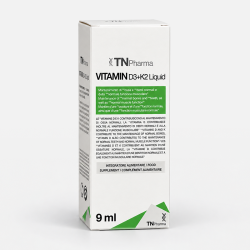
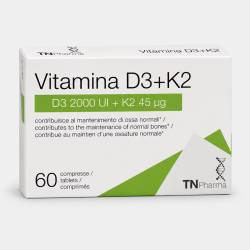
Supplementation with magnesium and vitamin K2
In addition to calcium and vitamin D, magnesium and vitamin K also participate in important processes involved in maintaining bone health.
Magnesium contributes to the maintenance of normal bones and teeth and is involved in numerous metabolic reactions. Vitamin D, on the other hand, promotes the absorption and utilisation of calcium and phosphorus, contributing to the maintenance of normal bones.
Vitamin K contributes to normal blood clotting and the maintenance of normal bones. In particular, it is involved in the activation of certain proteins, including osteocalcin, which plays a role in bone tissue metabolism. Vitamin K2, often combined with vitamin D3, is one of the forms of this vitamin and is also found in certain fermented and animal-based foods.
These nutrients therefore perform different but complementary functions. However, combining them in a supplement is not automatically necessary for everyone and should not be considered a guarantee of protection against osteoporosis or other conditions. The choice of a combined product should take into account diet, any deficiencies and individual circumstances.
Frequently asked questions
Does meat contain a significant amount of calcium?
No, meat is not generally considered a significant source of calcium. Beef, chicken, turkey and pork provide relatively small amounts of this mineral compared with milk, cheese, fish eaten with their bones and certain plant-based sources.
Meat nevertheless contributes to the intake of other nutrients, such as protein, iron, zinc and vitamin B12. To meet calcium requirements, it is therefore preferable to combine it with foods containing higher amounts of this mineral, rather than considering meat a primary source of calcium.
Which cheeses are richest in vitamin D?
Cheese is not generally considered a food particularly rich in vitamin D. It may contain small amounts, especially certain higher-fat varieties, but its main nutritional contribution is calcium and protein.
Cheeses that may provide vitamin D include cheddar, Emmental and certain aged varieties. However, the amounts are generally modest and may vary depending on the product and processing method. They should therefore not be considered sufficient sources to meet daily vitamin D requirements.
Which vegetable has the highest calcium content?
There is no single vegetable that is always the best plant-based source of calcium, because the content varies according to the species, preparation method and serving size. Some of the vegetables that can contribute significant amounts include certain green leafy vegetables, such as kale, Chinese cabbage and turnip greens.
Bioavailability must also be considered: spinach, for example, may have a relatively high calcium content, but the oxalates it contains significantly reduce absorption. Broccoli and cabbage, although they often contain less calcium per serving, can provide a more easily absorbed amount.
Is there any fresh fruit that contains vitamin D?
No, fresh fruit is not a significant source of vitamin D. Oranges, apples, bananas, kiwis and other fruits can contribute fibre, vitamins and minerals, but contain no or negligible amounts of vitamin D.
Some mushrooms, on the other hand, can provide vitamin D2, especially when exposed to ultraviolet light. To obtain vitamin D through diet, it is more useful to consume oily fish, eggs and fortified foods, varying the sources according to individual needs.
Calcium and vitamin D perform complementary functions in maintaining bone health, but they are found in different foods. Milk and dairy products, fish with bones, vegetables and legumes can contribute to calcium intake, while oily fish, eggs and fortified foods are among the main sources of vitamin D. A varied and balanced diet makes it possible to combine these nutrients, while any supplementation should be assessed according to individual needs.