- Diet
- 1 views
- Foods richest in vitamin B12
- Vitamin B12 in plant-based foods
- Daily requirements
- Vitamin B12 supplementation
- Frequently asked questions
Foods richest in vitamin B12
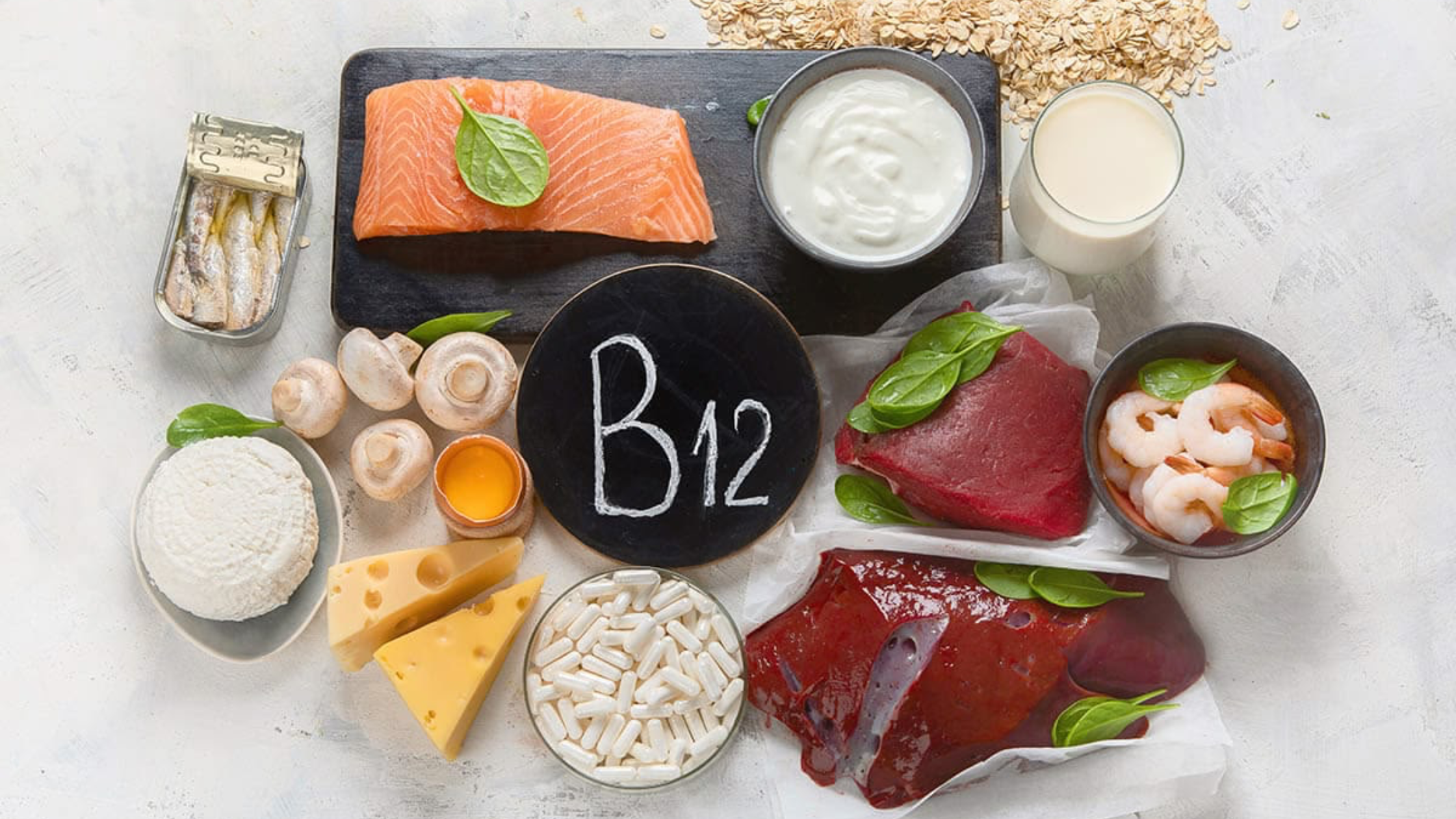
Vitamin B12, also known as cobalamin, is an essential micronutrient that the body must obtain through food or, when necessary, supplementation. It is naturally found mainly in foods of animal origin: meat, fish, shellfish, eggs, milk and dairy products are the main dietary sources.
The amount found in different products can vary considerably depending on the animal species, cut, processing and preparation method. Some foods, such as liver and certain shellfish, may contain high amounts, while meat, fish and dairy products contribute to daily intake through regular portions.
Knowing the dietary sources of vitamin B12 is particularly important for people following a vegetarian or vegan diet, because unfortified plant foods do not provide a reliable supply of active cobalamin. Even people who regularly consume foods of animal origin may have difficulty maintaining adequate levels if they have absorption problems.
Meat and fish
- Meat is one of the main sources of vitamin B12. The highest amounts are generally found in offal, particularly liver, while beef, veal, pork and poultry provide varying quantities. Liver is particularly rich in this nutrient, but it does not need to be consumed frequently to meet daily requirements: other foods can also contribute to overall intake;
- Fish and seafood are another important source. Mackerel, sardines, herring, salmon, tuna and trout can make a significant contribution to vitamin B12 intake. Shellfish and crustaceans, such as mussels and clams, may also contain high amounts.
Cooking can alter the vitamin content of foods, as can preservation and processing methods. For this reason, the nutritional values shown in tables are indicative and may not correspond exactly to those of the food as consumed.
Regularly including meat, fish or other foods of animal origin in your diet can help meet vitamin B12 requirements. However, frequency and quantities should be assessed as part of a varied diet, taking individual preferences and any nutritional recommendations into account.
Eggs and dairy products
Eggs and dairy products also contribute to vitamin B12 intake. Milk, yoghurt, cheese and eggs contain varying amounts, generally lower than those found in some shellfish or offal, but they can be useful sources, particularly for people following a vegetarian diet that includes these foods.
The vitamin B12 content of cheese depends on the type of product, the milk used and the production and ageing process. Some aged cheeses may provide appreciable amounts, but there is no single value that applies to all varieties. Milk and yoghurt can also contribute to daily intake through regular consumption.
Eggs contain vitamin B12 mainly in the yolk. Their contribution is generally lower than that of meat and fish, but it can add to the intake provided by other foods eaten throughout the day.
For people who do not eat meat or fish, milk, yoghurt, cheese and eggs can therefore be important dietary sources. However, it is necessary to consider the actual amount consumed and check that the overall diet meets individual requirements.
Table of vitamin B12 content in foods
The vitamin B12 content varies depending on the food and how it is prepared. The following table shows indicative values per 100 g of product, which are useful for comparing the main dietary sources. The data may vary between nutritional databases and specific food varieties.
| Food | Approximate vitamin B12 content per 100 g |
|---|---|
| Cooked beef liver | Approximately 60–80 µg |
| Mussels and clams | Approximately 10–20 µg or more, depending on the species |
| Herring | Approximately 8–9 µg |
| Mackerel | Approximately 7–9 µg |
| Salmon | Approximately 3–5 µg |
| Beef | Approximately 2–5 µg |
| Pork | Approximately 1–2 µg |
| Eggs | Approximately 1–2 µg |
| Aged cheeses | Approximately 1–3 µg, depending on the variety |
| Cow's milk | Approximately 0.4–0.5 µg |
Vitamin B12 in plant-based foods
Vitamin B12 is produced by specific microorganisms and accumulates mainly in animal tissues. For this reason, unfortified plant foods are generally not reliable sources of active vitamin B12.
People following a vegetarian or vegan diet need to pay particular attention to this aspect. Even a diet rich in fruit, vegetables, legumes, whole grains, seeds and nuts may be insufficient if it does not include fortified foods or adequate supplementation.
The role of fruit and vegetables
Fruit and vegetables are essential for a balanced diet because they provide fibre, vitamins, minerals and plant compounds. However, they cannot be considered reliable sources of vitamin B12. The presence of traces of cobalamin in some vegetables may be due to microbial contamination or specific growing conditions, but this does not guarantee a sufficient and consistent intake.
A similar consideration applies to certain algae and microalgae, which are often mentioned as plant-based alternatives for vitamin B12. Products such as spirulina and some types of algae may contain compounds similar to cobalamin, but some of these substances may consist of inactive analogues, also known as pseudovitamin B12, which do not perform the same functions as the form of vitamin that the body can use.
For people following a fully plant-based diet, the most reliable strategy is to choose foods fortified with vitamin B12 and consider supplementation according to individual needs. Simply increasing the consumption of unfortified plant foods is not enough to prevent a deficiency.
Fortified foods
Fortified foods are products to which specific nutrients are added during processing. In the case of vitamin B12, this makes suitable sources available for people following a plant-based diet.
Products that may be fortified include:
- Plant-based drinks: soy, oat, rice or almond drinks, when vitamin B12 has been added to the formulation;
- Breakfast cereals: some varieties contain added B vitamins, including B12;
- Plant-based dairy alternatives: some fermented drinks, plant-based yoghurts and soy-based products may be fortified;
- Fortified nutritional yeast: some formulations contain added vitamin B12 and can be used as an ingredient in various recipes.
It is important to read the label and check that vitamin B12 is actually present, as well as verifying the amount per serving. Consumption must be frequent enough to contribute to daily requirements. For people following a vegan diet, fortified foods can be part of a strategy to maintain an adequate intake.
Daily requirements
Vitamin B12 is needed in relatively small amounts, but it performs essential functions in the body. It is involved in red blood cell formation, the normal functioning of the nervous system and homocysteine metabolism, as well as playing a role in cell division processes.
Daily requirements must be met through food or, when necessary, fortified foods and supplements. Needs may vary at certain stages of life, such as pregnancy and breastfeeding, while some gastrointestinal conditions or prolonged use of certain medications may make absorption more difficult.
Recommended daily intake
According to the reference values of the European Food Safety Authority (EFSA), the adequate intake of vitamin B12 for adults is 4 µg per day. This value increases during pregnancy and breastfeeding, when the adequate intake is 4.5 µg and 5 µg per day, respectively.
Reference values indicate the daily intake considered sufficient for the healthy population, but they do not represent the amount to be used to correct a diagnosed deficiency.
Vitamin B12 is absorbed mainly in the final part of the small intestine, after binding to intrinsic factor, a protein produced in the stomach. This process can be impaired by certain conditions, including atrophic gastritis, pernicious anaemia, gastrointestinal surgery and diseases affecting the intestine.
A deficiency can develop slowly because the body has vitamin B12 stores in the liver. Possible signs include tiredness, weakness, paleness, tingling, changes in sensation and cognitive difficulties. These symptoms are not specific and require medical assessment, which may include blood tests and further investigations depending on the case.
Vitamin B12 supplementation
Supplementation with vitamin B12 may be useful when the diet does not provide sufficient amounts or when the body has difficulty absorbing it. This is particularly important for people following a vegan or vegetarian diet that excludes the main dietary sources, but also for some people with gastrointestinal conditions or those taking certain medications.
The need for supplementation, the amount and the frequency of intake depend on the diet, the possible presence of a deficiency and individual absorption capacity. If a deficiency has already been diagnosed, it is important to follow medical advice rather than independently relying on standard dosages.
How to choose and take supplements
Vitamin B12 supplements are available in different formulations and may contain different forms of cobalamin. The most common include cyanocobalamin and methylcobalamin, two forms used in food products and supplements.
The presence of an active form does not automatically mean that the product is more effective in every situation: the choice should take into account stability, quantity, method of intake and individual needs.
Before purchasing, it is useful to check several factors:
- Form of cobalamin: check whether the product contains cyanocobalamin, methylcobalamin or another declared form;
- Amount per dose: check the micrograms of vitamin B12 provided and compare them with your needs;
- Directions for use: follow the instructions on the label without changing the dose independently;
- Composition: check the additional ingredients, excipients and any allergens;
- Individual needs: take into account your diet, gastrointestinal conditions, medications and any deficiencies already diagnosed.
Vitamin B12 is water-soluble, and the body has mechanisms for storing it, mainly in the liver. The amount contained in a supplement may be higher than the daily requirement because absorption is not proportional to the dose: some is absorbed through intrinsic factor, while a smaller amount may be absorbed by passive diffusion. This does not mean that high doses need to be taken without a specific reason.
The method and duration of supplementation should be consistent with its intended purpose. People following a vegan diet may need an ongoing strategy to ensure an adequate intake, while those with a deficiency caused by an absorption problem may require a specific course of treatment determined by a doctor.
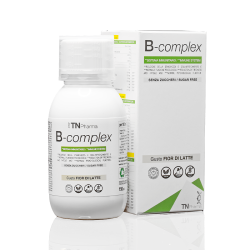
The complex with vitamins B1 and B6
Vitamin B12 is sometimes combined with other B vitamins, particularly vitamin B1 (thiamine) and vitamin B6 (pyridoxine). These micronutrients are involved in different physiological processes and contribute to the normal functioning of the nervous system and energy metabolism.
- Vitamin B1 contributes to the normal functioning of the nervous system and normal psychological function;
- Vitamin B6 contributes to the normal functioning of the nervous system, normal psychological function and energy metabolism.
Vitamin B12, in turn, contributes to the normal functioning of the nervous system and red blood cell formation.
The combination of B1, B6 and B12 in a supplement therefore provides three micronutrients involved in complementary physiological functions. However, this does not mean that the combination automatically produces a greater effect than taking the individual nutrients or that it is necessary for everyone.
Frequently asked questions
Which cheese contains the most vitamin B12?
The vitamin B12 content varies depending on the type of cheese, the milk used and the ageing process. Some aged cheeses, such as Parmigiano Reggiano, Grana Padano and certain blue cheeses, may provide appreciable amounts, but there is no single cheese that always contains more vitamin B12 than all the others.
What does having high vitamin B12 levels in the blood mean?
High vitamin B12 levels in the blood may be linked to the use of supplements or fortified foods, but they can also occur in the presence of certain liver, kidney or blood disorders.
In which cases should vitamin B12 not be taken?
Vitamin B12 is generally well tolerated, and there is no contraindication that applies to everyone. However, supplements should not be taken without assessing whether they are needed, especially in the presence of already elevated blood levels, medical conditions or ongoing treatments.
Anyone who has experienced allergic reactions to cobalamin or cobalt should consult a doctor before use. If a deficiency is suspected, it is important to identify the cause and follow medical advice rather than replacing investigations with self-directed supplementation.
Vitamin B12 is an essential nutrient found mainly in foods of animal origin, while people following a plant-based diet must rely on fortified products and, when necessary, targeted supplementation. If symptoms or abnormal values are present, consulting a doctor remains essential to identify the cause and determine the most appropriate course of action.