- Health and wellness
- 50 views

- What BCAAs Are and What They Are Used For
- The Support They Provide for Muscle Growth and Recovery
- Reducing Fatigue During Training
- Differences Between BCAA 2:1:1, 4:1:1, and 8:1:1
- When and How to Take BCAAs
- Taking BCAAs Before, During, or After Training
- Daily Dosage and Methods of Use
- Contraindications and Side Effects of BCAAs
- Frequently Asked Questions
- What Is the Main Difference Between BCAAs and Protein Powders?
- What Is the Difference Between Branched-Chain Amino Acids (BCAAs) and Essential Amino Acids (EAAs)?
- Can BCAA Supplementation Damage the Kidneys or Liver?
- How Does Body Composition Change With BCAA Use?
What BCAAs Are and What They Are Used For
BCAAs (Branched-Chain Amino Acids) are the branched-chain amino acids: leucine, isoleucine, and valine. These are three essential amino acids, meaning that the body cannot produce them independently in sufficient quantities, so they must be obtained through the diet.
BCAAs occur naturally in protein-rich foods, such as meat, fish, eggs, milk, and dairy products, as well as in various plant-based sources. They are also found in sports supplements, which are mainly used by people who practice weight training or intense physical activity.
The three molecules perform different but complementary functions. Leucine is involved in activating the mechanisms that regulate muscle protein synthesis, while isoleucine and valine participate in energy metabolism and other physiological processes. During exercise, muscles can also use BCAAs as an energy source.
Branched-chain amino acid BCAA supplements are mainly marketed to support muscle activity and recovery. It is important to distinguish the biological role of these amino acids from the benefits that may be obtained through supplementation.
Support for Muscle Growth and Recovery
During resistance training, muscle fibers are exposed to a stimulus that, together with an appropriate diet and recovery, promotes adaptations in muscle tissue. Muscle growth depends on several factors, including training progression, energy intake, protein availability, and quality of rest.
Of the three BCAAs, leucine is particularly well studied for its role in activating cellular signals involved in muscle protein synthesis.
Taking only leucine, isoleucine, and valine is not equivalent to providing the body with the full range of amino acids required for protein synthesis. When daily protein intake is insufficient, the priority is to improve the overall quality and quantity of protein obtained through the diet.
This is where the concept of muscle hypertrophy comes in: the increase in the size of muscle fibers in response to appropriate stimuli. BCAA supplements may be considered as part of an individualized nutritional strategy, but they do not replace a complete protein intake, a well-planned training program, or sufficient recovery.
Reducing Fatigue During Training
Another reason BCAAs are used in sports is their potential effect on perceived fatigue. During prolonged physical activity, various metabolic and nervous system processes contribute to the feeling of tiredness.
Managing fatigue during physical activity also depends on factors such as session intensity and duration, previous training, sleep, hydration, and energy availability. During prolonged activities, adequate carbohydrate intake can also be particularly important for supporting muscle performance.
Differences Between BCAA 2:1:1, 4:1:1, and 8:1:1
BCAA supplements can have different ratios of leucine, isoleucine, and valine. The labels 2:1:1, 4:1:1, and 8:1:1 indicate the relative proportions of the three amino acids in the formulation, generally in the order leucine, isoleucine, and valine. They do not indicate the total amount of product to take.
The main difference is therefore the percentage of leucine relative to the other two amino acids. To better understand these ratios, it is useful to examine the characteristics of the most common formulations.
- BCAA 2:1:1: contain two parts leucine for every one part of isoleucine and valine. This is a traditional ratio that maintains a relatively balanced proportion of the three branched-chain amino acids;
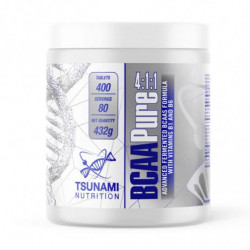
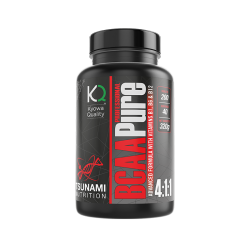
- BCAA 4:1:1: contain four times as much leucine as each of the other two amino acids. This formulation therefore places greater emphasis on leucine than the 2:1:1 ratio;
- BCAA 8:1:1: contain eight parts leucine for every one part of isoleucine and valine. The ratio is even more heavily weighted toward leucine.
The ratio indicates the relative composition, but it is not enough on its own to determine which supplement is more effective. To compare products, it is also necessary to consider the total amount of amino acids per serving, the product's composition, usual dietary intake, and individual goals.
Leucine, in particular, can help activate protein synthesis, but it cannot replace the amino acids needed to build new proteins.
When and How to Take BCAAs
When and how to take BCAAs depends on the product formulation, eating habits, and type of training. There is no universally best time for everyone, and the evidence does not show that taking these amino acids at a specific time guarantees better results.
Before introducing a supplement, it is useful to assess whether the diet already provides adequate amounts of protein and essential amino acids. Meat, fish, eggs, dairy products, legumes, soy, and other protein sources can contribute to BCAA intake without necessarily making a specific supplement essential.
Taking BCAAs Before, During, or After Training
BCAAs can be taken before, during, or after physical activity, following the instructions on the product label. The choice mainly depends on convenience, individual tolerance, and how meals are organized around the training session.
Before training: Some athletes choose to take BCAAs before starting physical activity, but this approach has not been shown to be consistently superior to other options. If the previous meal already contains high-quality protein, additional supplementation may not be necessary.
During training: Amino acids can be dissolved in water and sipped during the session if this method is suitable for the chosen product. However, for particularly long workouts, hydration and carbohydrate availability should also be considered. BCAAs do not replace a comprehensive strategy for supporting physical activity.
After training: Muscle recovery benefits from an adequate supply of protein and essential amino acids. For this reason, after a strength-training session, it may be useful to eat a complete meal or consume a protein source that provides all essential amino acids. BCAAs alone are not necessarily the most complete option for supporting protein synthesis.
Daily Dosage and Methods of Use
There is no universal daily BCAA dosage that applies to everyone and every sports goal. The amounts used in studies vary according to the formulation, research protocol, and participant characteristics. Experimental doses should therefore not automatically be converted into recommendations for individual use.
To use a supplement responsibly, it is advisable to:
- Follow the label instructions: Check the serving size, total amount of BCAAs, and preparation instructions provided by the manufacturer;
- Assess daily protein intake: Consider how much protein is already obtained from food and whether there is a genuine need for supplementation;
- Consider the type of training: The duration, intensity, and frequency of sessions can affect overall nutritional needs;
- Avoid increasing amounts independently: A higher dose does not guarantee greater benefits and may be inappropriate in certain circumstances;
- Seek professional advice if in doubt: This is particularly important in the presence of medical conditions, medication use, or special diets.
Supplements can be a practical option in specific situations, but they do not replace a balanced diet. Furthermore, taking BCAAs should not be confused with consuming a complete protein, which also provides the other essential amino acids.
Contraindications and Side Effects of BCAAs
BCAAs are amino acids that occur naturally in food and in the body. Obtaining them through a varied diet is part of normal nutrition. When they are taken as concentrated supplements, however, it is important to consider the amount consumed, the product's composition, and individual health conditions.
Potential issues that may occur in some people include:
- Gastrointestinal discomfort: Nausea, bloating, or digestive problems may occur depending on the amount taken or other ingredients in the product;
- Poor individual tolerance: Responses can vary from person to person and may also depend on how the supplement is taken;
- Excessive or unnecessary intake: Taking large amounts without a genuine need does not guarantee better results and may make the overall nutritional strategy less balanced.
Particular care is needed in the presence of kidney or liver disease, metabolic disorders, or other clinical conditions that require protein or amino acid intake to be monitored. In these situations, supplementation should be assessed with a doctor or qualified healthcare professional.
People taking medication or following a therapeutic diet should also check whether the product is suitable before using it. During pregnancy or breastfeeding, or for anyone under 18, it is preferable to avoid using concentrated supplements without professional guidance.
Frequently Asked Questions
What Is the Main Difference Between BCAAs and Protein Powders?
The main difference is that BCAAs provide only three essential amino acids, whereas protein powders made from complete protein sources can provide all essential amino acids. BCAAs consist of leucine, isoleucine, and valine; complete proteins also provide the other amino acids needed for the body's protein synthesis.
Free amino acids are absorbed without first needing to be broken down from a dietary protein, but this does not mean they are always more effective. Building new muscle proteins requires all essential amino acids to be available, not just BCAAs.
Protein powders can be a practical way to increase protein intake when the diet is insufficient or when it is difficult to meet requirements through meals.
The choice between BCAAs and complete proteins therefore depends on usual dietary intake and individual goals. If protein intake is already adequate, adding BCAAs does not necessarily provide an additional benefit. If total protein intake needs to increase, a complete protein source may be more suitable.
What Is the Difference Between Branched-Chain Amino Acids (BCAAs) and Essential Amino Acids (EAAs)?
BCAAs are a subset of EAAs: BCAAs consist of leucine, isoleucine, and valine, whereas EAA refers to the group of essential amino acids that must be obtained through the diet.
Essential amino acids are indispensable because the body cannot synthesize them in sufficient quantities. In addition to the three BCAAs, this category includes other amino acids needed to build and maintain the body's proteins.
For muscle protein synthesis, having all essential amino acids available is important to support the process fully. Leucine can help activate the signals involved in protein synthesis, but the availability of the other amino acids is necessary for the construction of new proteins to continue.
Can BCAA Supplementation Damage the Kidneys or Liver?
There is insufficient evidence to conclude that BCAAs, at amounts commonly studied, necessarily damage the kidneys or liver of every healthy adult. However, this does not mean that they are risk-free at any dose or in the presence of medical conditions.
The kidneys and liver participate in various metabolic processes and in the processing of nutrients. People with kidney disease, liver disease, or a metabolic disorder may have specific nutritional needs and may need to monitor their overall protein or amino acid intake.
Even in the absence of known medical conditions, it is preferable to follow the product instructions and avoid taking high doses without a clear need. If blood test abnormalities or persistent symptoms occur, medical assessment is more appropriate than self-diagnosis or independently changing supplementation.
How Does Body Composition Change With BCAA Use?
Taking BCAAs alone does not guarantee an increase in muscle mass or a reduction in body fat. Body composition changes in response to several factors, including energy balance, protein intake, training, recovery, and consistency over time.
BCAAs participate in muscle metabolism, and leucine is involved in the signals that regulate protein synthesis. To promote muscle growth, it is important to combine a progressive training program with sufficient energy and protein intake.
To reduce body fat, on the other hand, it is generally necessary to create a sustainable energy deficit while maintaining an adequate diet and regular physical activity.
BCAAs are three essential amino acids involved in energy metabolism and the processes that regulate muscle function. Before choosing a 2:1:1, 4:1:1, or 8:1:1 formulation, it is important to assess the product's composition and overall protein intake. A balanced diet, a well-planned training program, and adequate recovery remain the starting points for supporting results over time.