- Health and wellness
- 51 views
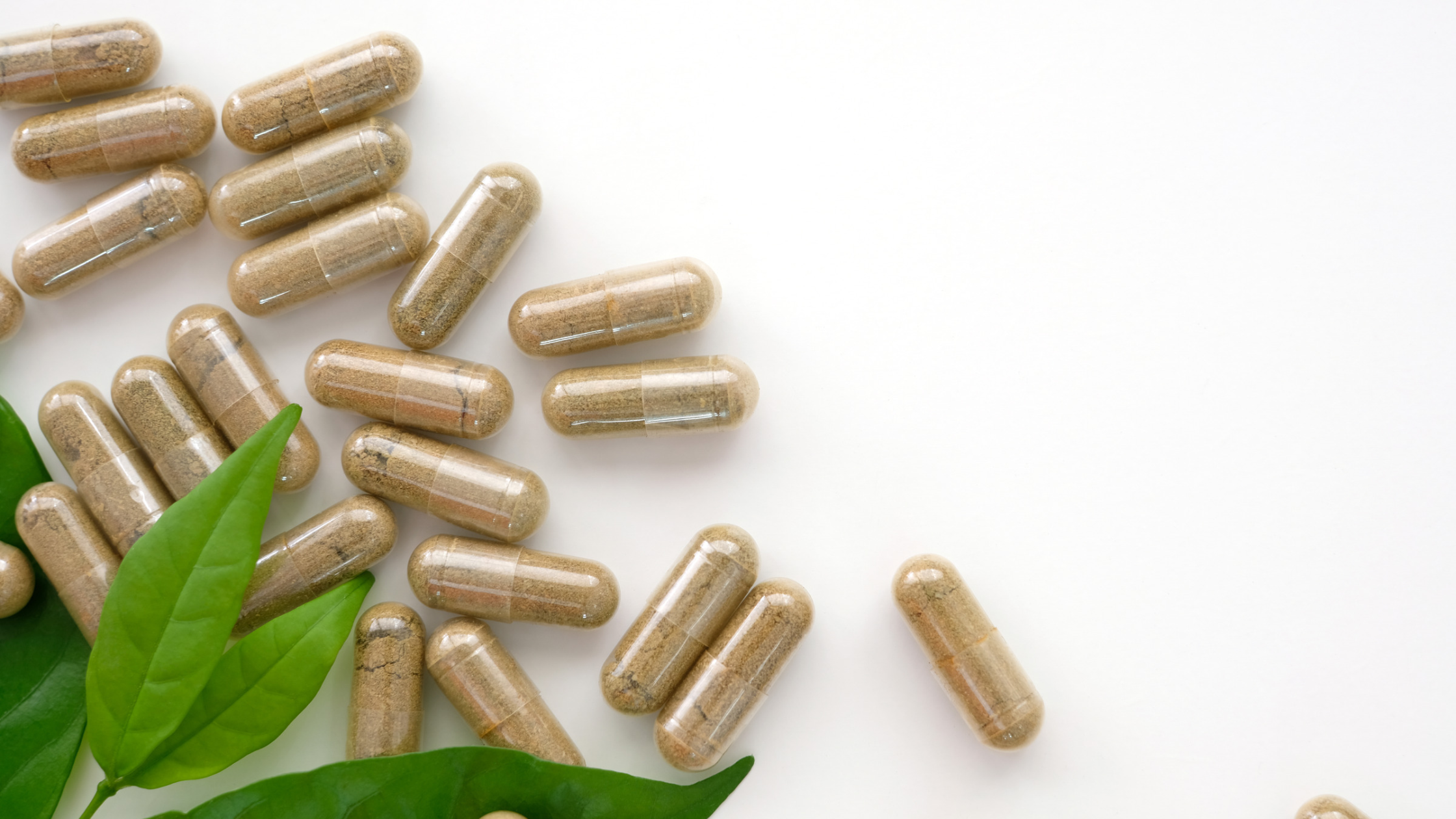
- What is L-theanine and where is it found?
- What is L-theanine used for and what are its benefits?
- L-theanine for anxiety and stress
- L-theanine for sleep and relaxation
- Effects on memory and concentration
- Recommended dosage and when to take it
- Side effects and contraindications of L-theanine
- Frequently asked questions
- Can L-theanine be considered an antidepressant?
- How long does it take for L-theanine to take effect?
- Can L-theanine cause tolerance or dependence?
- Can L-theanine and caffeine be taken together?
What Is L-Theanine and Where Is It Found?
L-theanine is a non-protein amino acid, meaning that it is a molecule that the body does not use to build proteins in the same way as the amino acids that make up dietary proteins. It is found mainly in the leaves of the Camellia sinensis plant, which is used to produce various types of tea, including green tea.
The amount of L-theanine in tea can vary depending on the plant variety, growing conditions, and processing and preparation methods.
L-theanine is being studied for its interaction with certain mechanisms of the central nervous system. Research has examined, among other aspects, the stress response, relaxation, sleep quality, and certain cognitive functions.
What Is L-Theanine Used For and What Are Its Benefits?
L-theanine is included in dietary supplements primarily to promote relaxation and support certain cognitive functions, such as attention. Research findings are promising in some areas, but they are not consistent across the board. The effects may depend on the dose studied, participants' characteristics, and whether it is combined with other substances, such as caffeine.
L-Theanine for Anxiety and Stress
One of the most widely studied areas concerns the potential role of L-theanine in stress management. Some research suggests that it may help modulate the body's response to stressful situations by influencing various neurochemical processes involved in regulating brain activity.
One of the mechanisms under investigation is its interaction with the GABA system, a neurotransmitter system involved in inhibitory processes in the nervous system. Clinical evidence is still limited and does not support considering L-theanine a substitute for psychotherapy or any treatment prescribed by a doctor.
L-Theanine for Sleep and Relaxation
L-theanine has also been studied for its potential contribution to relaxation and sleep quality. Some studies have assessed its effects on subjective measures, such as perceived restfulness and ease of falling asleep. Results vary and do not conclusively demonstrate that supplementation improves sleep in everyone or increases overall sleep duration.
If you experience persistent difficulty falling asleep or frequent awakenings, it may be helpful to review your evening habits and discuss possible causes with a healthcare professional.
Effects on Memory and Concentration
Another area of research concerns cognitive functions, particularly attention and response speed during tasks requiring concentration. Some studies have reported favourable results in specific cognitive tests, especially when L-theanine is combined with caffeine.
L-theanine is sometimes included in formulations intended for students, professionals, and people who engage in mentally demanding activities. However, it is important not to confuse a potential effect on certain laboratory tests with a general and guaranteed improvement in cognitive performance.
L-theanine is sometimes discussed in the context of nootropics, a category of substances studied or used with the aim of supporting certain cognitive functions.
Recommended Dosage and When to Take It
There is no single L-theanine dosage that is suitable for everyone and every purpose. Clinical studies have used different amounts and durations of supplementation, so experimental dosages should not automatically be interpreted as individual recommendations.
Before taking a supplement, it is advisable to:
- Follow the instructions on the label without exceeding the manufacturer's recommended daily dose;
- Consider the purpose of supplementation, distinguishing between relaxation, support for concentration, and sleep quality, as the available evidence is not equally strong for each;
- Take any medications or health conditions into account and consult a doctor or pharmacist if in doubt;
- Do not increase the dose on your own if you do not notice the desired effects.
In studies investigating acute effects on concentration, L-theanine has sometimes been taken before a cognitive test. If the goal is evening relaxation, it is still preferable to follow the product instructions and assess your individual response without treating the supplement as a cure for insomnia.
Side Effects and Contraindications of L-Theanine
L-theanine is generally well tolerated, but information about its long-term safety is still limited. Tolerability may vary from person to person, and the absence of serious adverse events in several studies does not rule out the possibility of unwanted reactions.
It is advisable to consult a doctor before using an L-theanine supplement in the following situations:
- Taking medications, particularly those intended to affect the nervous system or blood pressure;
- Having medical conditions or health issues that require ongoing medical supervision;
- Pregnancy or breastfeeding, as safety data for these periods are insufficient;
- Being under 18, unless specifically advised by a healthcare professional.
L-theanine should not be used as a substitute for prescribed medication or to change a treatment independently. If symptoms of anxiety, insomnia, or low mood persist, it is important to consult a healthcare professional to identify the most appropriate approach.
Frequently Asked Questions
Can L-Theanine Be Considered an Antidepressant?
No, L-theanine cannot be considered an antidepressant. It has been studied for its potential effects on stress, mood, and certain cognitive functions, but the available evidence is insufficient to recommend it as a treatment for depression.
It does not replace prescribed antidepressants or psychotherapy. Anyone experiencing depressive symptoms should consult a doctor or mental health specialist.
How Long Does It Take for L-Theanine to Take Effect?
The time it takes to notice potential effects from L-theanine may vary depending on the individual, the amount taken, and the intended purpose. This does not guarantee that everyone will notice a change within the same timeframe. For effects on stress or sleep, results may also depend on the duration of supplementation and individual characteristics.
Can L-Theanine Cause Tolerance or Dependence?
There is no strong evidence that L-theanine causes dependence according to the criteria commonly used for substances that lead to addiction. However, studies on long-term safety are limited and do not allow every possible effect to be ruled out under all conditions of use. It is still advisable to follow the product instructions and avoid increasing the dose independently.
Can L-Theanine and Caffeine Be Taken Together?
Yes, L-theanine and caffeine have also been studied in combination, particularly to assess their effects on attention and cognitive performance. Some studies suggest that the combination may improve certain attentional performance measures compared with a placebo, but the findings are not consistent and do not demonstrate that L-theanine cancels out caffeine's unwanted effects, such as agitation, palpitations, or difficulty sleeping.
Caffeine is found in drinks such as coffee and tea and is also available in specific supplements. When combining different products, it is important to consider total caffeine intake and individual sensitivities, particularly in cases of anxiety, sleep disorders, medical conditions, or medication use.
L-theanine is an amino acid naturally found in tea that has been studied for its potential role in relaxation, stress management, and supporting certain cognitive functions. Before choosing a supplement, it is important to consider the product instructions, your individual circumstances, and any medications you take, seeking advice from a healthcare professional when necessary.

