- Health and wellness
- 10 views

- What is carnitine used for?
- Differences between L-carnitine and acetyl-L-carnitine
- How to take carnitine
- Recommended daily dosage
- Taking it before or after meals
- When to take carnitine
- Before or after training
- The best times of day
- How long to take it
- Cycle duration and recommended breaks
- Frequently asked questions
- Can carnitine be harmful to the kidneys or liver?
- Can carnitine increase blood pressure?
- Does taking carnitine pose risks to the heart?
- Is it useful to combine carnitine with vitamin B12?
What Is Carnitine Used For?
Carnitine plays a role in transporting long-chain fatty acids to the mitochondria, cellular structures where they are used to produce energy. The body can synthesise carnitine on its own and obtain it from food, particularly meat and other animal-derived foods.
L-carnitine supplements are used mainly in connection with physical activity and energy metabolism. It is important to clarify that carnitine's involvement in fat utilisation does not, by itself, prove that supplementation leads to greater weight loss or a significant reduction in body fat.
Differences Between L-Carnitine and Acetyl-L-Carnitine
L-carnitine and acetyl-L-carnitine are two related forms, but they have some structural and functional differences.
- L-carnitine is mainly involved in transporting fatty acids into the mitochondria;
- Acetyl-L-carnitine is an acetylated form that can cross the blood-brain barrier. It has also been studied in relation to energy metabolism in the nervous system and certain cognitive functions.
The two forms are not automatically interchangeable: they have been studied in different contexts, and the same effects cannot be attributed to both.
How to Take Carnitine
How carnitine should be taken depends on the chosen formulation, the amount contained in the product, and the purpose of supplementation.
The instructions on the label should be followed. It is not advisable to increase the dose independently or combine several products containing carnitine without checking the total amount being consumed.
Recommended Daily Dosage
There is no single daily carnitine dosage that is suitable for everyone and every purpose. The amounts used in studies vary according to the form of carnitine, the duration of supplementation, and the participants' characteristics. Sports research has examined, among other amounts, doses in the range of 1–3 grams per day, but these figures describe experimental protocols and do not constitute individual recommendations.
When choosing a product, it is useful to consider several factors:
- Formulation: different products may contain L-carnitine, acetyl-L-carnitine, or other forms, which should not be considered equivalent in every context;
- Amount per serving: check how much carnitine is actually present in the serving indicated on the label;
- Purpose: available evidence does not show that increasing the dosage guarantees better sports performance or greater fat loss;
- Individual circumstances: people with medical conditions, taking medication, or with specific needs should seek advice from a doctor or pharmacist.
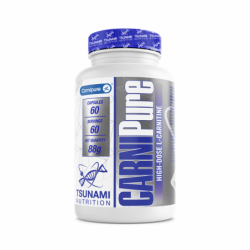
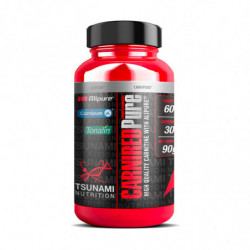
Raw material quality is also worth considering when choosing a supplement. The name Carnipure identifies a specific L-carnitine raw material; however, a product should still be chosen based on the information declared on the label, its composition, and its directions for use, without assuming that a particular raw material alone guarantees better results.
Taking Carnitine Before or After Meals
Carnitine can be taken according to the product instructions, which may specify a particular time or recommend taking it with a meal. Taking it with food may also help improve gastrointestinal tolerability in people who experience symptoms such as nausea or abdominal cramps.
Some sports research protocols have combined carnitine with meals containing carbohydrates because the insulin response may promote carnitine uptake into muscle. This approach has mainly been studied in longer-term protocols and does not mean that everyone needs to increase their carbohydrate intake. The choice should remain consistent with individual energy requirements and the advice of the professional overseeing the diet.
When to Take Carnitine
The timing is often chosen according to the training schedule, but no specific time has been shown to be optimal in every circumstance. Studies have used different protocols, and findings on sports performance remain mixed. It is therefore useful to distinguish between when the supplement is taken and the effects that can reasonably be expected.
Before or After Training
Taking carnitine before training is common, but there is no evidence that taking it immediately before a session necessarily improves performance or fat burning. Carnitine does not act like a stimulant with an immediate effect, and study results also depend on the duration of supplementation. Carnitine is sometimes combined with creatine as part of a supplementation routine for physical activity.
Some studies have examined longer periods of supplementation, while research on taking carnitine immediately before exercise has produced inconsistent results. Consequently, it is more important to follow the product instructions and maintain a consistent routine than to look for a precise number of minutes before starting physical activity.
Carnitine can also be taken after training if this is compatible with the product instructions. However, there is insufficient evidence to claim that taking it after a workout is always better than taking it beforehand.
The Best Times of Day
There is no single time of day that is best for everyone to take carnitine. The choice may depend on the formulation, the instructions on the label, meal schedules, and training times.
To make supplementation easier to manage, it may be helpful to:
- Take it with a meal if the product instructions recommend this or if it helps reduce potential gastrointestinal discomfort;
- Maintain a regular routine when the product is intended for daily use over a defined period;
- Avoid taking large amounts all at once without specific guidance;
- Do not change the supplementation plan solely because of the timing of a workout in the expectation of an immediate effect.
If the goal is to improve sports performance or body composition, supplementation should be considered as part of a programme that includes appropriate training, a balanced diet, and recovery. Carnitine alone cannot replace these elements.
How Long to Take Carnitine
The duration of supplementation depends on the formulation, the intended goal, and the product instructions. Studies on L-carnitine have examined widely varying periods, from short-term use to several months. However, there is no standard duration that applies to everyone, nor can it be assumed that a longer cycle will automatically produce better results.
Before starting a supplementation cycle, it is therefore useful to consider whether supplementation is genuinely needed and what results can reasonably be expected, rather than basing the decision solely on commercial weight-loss claims.
Cycle Duration and Recommended Breaks
There is no mandatory supplementation cycle or break that applies to every carnitine supplement. Sports research has used protocols lasting several weeks, but their duration cannot automatically be turned into a general rule. Individual needs may vary according to the form used, the amount taken, and personal circumstances.
To manage supplementation cautiously, it is advisable to:
- follow any duration specified by the manufacturer;
- avoid extending supplementation or increasing the amount without a clear reason;
- discuss with a healthcare professional whether continued use is worthwhile if no appreciable benefits are observed;
- seek medical advice in the presence of medical conditions, medication use, or a need for prolonged supplementation.
If the supplement is being used for a specific medical condition, the duration and any changes should be determined by the healthcare professional responsible for the person's care.
Frequently Asked Questions
Can Carnitine Be Harmful to the Kidneys or Liver?
It cannot be claimed that carnitine is always safe for everyone with kidney or liver problems. Healthy people generally produce the carnitine they need, while certain medical conditions may affect its metabolism or require specific management.
In particular, people with kidney disease, those undergoing dialysis, or those receiving complex treatments should consult a doctor before taking a supplement. Safety also depends on the amount taken, the duration of supplementation, and individual circumstances.
Can Carnitine Increase Blood Pressure?
There is no evidence that carnitine systematically increases blood pressure in everyone. Effects may depend on individual circumstances and the overall composition of the supplement, especially if it also contains other ingredients.
People with hypertension or those taking blood pressure medication should check the product's suitability with a doctor or pharmacist, avoiding the assumption that any effects of a combination formula are caused by carnitine alone.
Does Taking Carnitine Pose Risks to the Heart?
The relationship between carnitine and cardiovascular health is complex and cannot be summarised by saying that the supplement is always protective or always harmful to the heart. Carnitine performs physiological functions in energy metabolism, and some formulations have been studied in specific clinical settings. At the same time, some research has examined the production of TMAO, a substance also generated by the activity of the gut microbiota and associated with a possible increase in cardiovascular risk.
People with heart disease, a history of cardiovascular problems, or those taking medication should therefore consult a doctor before starting supplementation.
Is It Useful to Combine Carnitine with Vitamin B12?
There is insufficient evidence to claim that combining carnitine with vitamin B12 necessarily improves energy or recovery in people who do not have deficiencies. Vitamin B12 contributes to normal energy metabolism and the reduction of tiredness and fatigue, while carnitine helps transport fatty acids into the mitochondria.
Vitamin B12 supplementation may be useful when dietary intake is insufficient or when conditions interfere with its absorption, but whether it is appropriate should be assessed according to individual needs.
Carnitine plays a role in energy metabolism. When choosing how to take it, it is important to consider the formulation, the label instructions, tolerability, and personal health circumstances. There is no single timing, dosage, or cycle duration that is suitable for everyone. If in doubt or if medical conditions are present, consulting a healthcare professional can help determine whether supplementation is genuinely useful.