- Health and wellness
- 645 views
How to cleanse the liver and gut naturally
The liver and the gut are two organs that work in close conjunction: what happens in one has a direct impact on the other. The liver filters the blood arriving from the gut via the portal vein: every toxin, bacterial metabolite or food residue that crosses the intestinal barrier passes directly through the liver before entering the systemic circulation. When the gut is inflamed, its permeability increases, and the liver finds itself having to process a load that should not be reaching it. Conversely, when the liver is overloaded and reduces its bile production, the gut suffers the consequences: slowed fat digestion, irregular bowel movements and disrupted gut flora.
Cleansing the liver and gut naturally does not in any way mean subjecting oneself to drastic fasts, as one might think: it involves creating the conditions that allow these organs to carry out their work unhindered. The key measures remain the same: a healthy diet rich in fibre and antioxidants, adequate hydration, reducing exposure to toxins (alcohol, ultra-processed foods, non-essential medication), regular physical activity and, where necessary, support from targeted active ingredients.
To help you navigate the range of products available, the section of the Tsunami website dedicated to liver cleansers brings together the solutions best suited to a structured support programme.
Cleansing the liver in 3 or 4 days
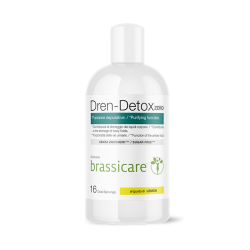
Three or four days are not enough to ‘restore’ a liver after months of excess, but they are more than enough to kick-start a recovery process, reduce acute inflammation and give the body a respite that you can feel immediately. It would be a mistake to expect a complete transformation within 72 hours; what happens during an intensive weekend is more a reduction in the immediate burden, not full regeneration. To speed up the elimination of excess fluids and metabolic waste, drainage supplements provide specific support to be combined with diet in these short, intensive programmes.
Quick programmes to detoxify the body
A 3–4-day programme that really works is based on a simple structure. The first step is to completely eliminate alcohol, refined sugars, fried foods and ultra-processed foods for the entire duration. The second isto increase fluid intake to 2.5–3 litres a day: still water, draining herbal teas, and warm lemon water in the morning. The third is to focus your diet on bitter vegetables, pulses, whole grains, lean proteins and healthy fats such as extra virgin olive oil and avocado. The fourth, often overlooked, is to get at least 7 to 8 hours’ sleep every night: the liver carries out most of its regenerative work at night, and cutting back on sleep significantly reduces the effectiveness of any detox programme.
Within 3–4 days, you can expect a reduction in abdominal bloating, easier digestion, less tiredness after meals and often a visible improvement in your skin.
Cleansing the liver to slim down and lose weight
There is a direct link between liver health and the ability to manage body weight. The liver is the central organ of lipid metabolism: it converts fats into energy, regulates cholesterol levels, manages glycogen and decides, depending on your metabolic state, whether to burn or store energy. When the liver is overburdened by excess alcohol, sugars, saturated fats or a build-up of toxins, its metabolic efficiency decreases, and the result is often a greater tendency to accumulate visceral fat, as well as unexplained resistance to weight loss, despite diet and exercise.
In this sense, cleansing the liver is a prerequisite for the metabolism to function as it should.
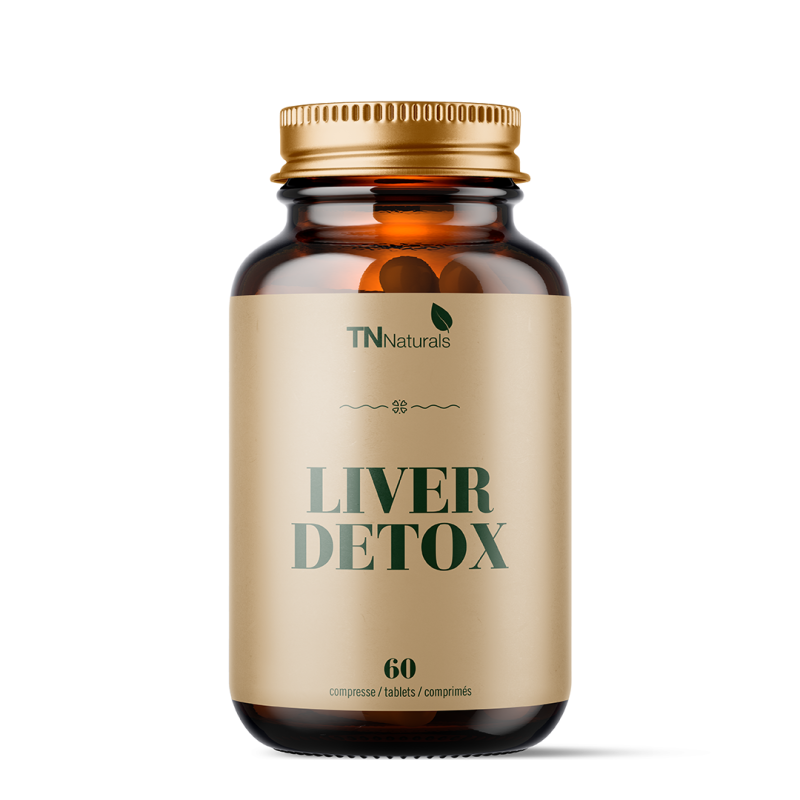
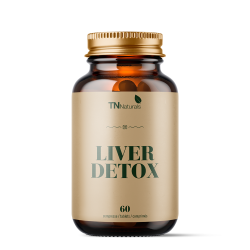
To support this process with an integrated approach, the Liver Detoxdietary programme can be combined with: an advanced formula containing Bergacyn FF®, Siliphos® (high-bioavailability milk thistle), Clovinol® (clove extract), N-acetylcysteine, choline bitartrate, turmeric and vitamin E.
Each ingredient is selected to support liver function, digestive motility and protection against oxidative stress, with an approach that takes into account both detoxification and daily digestive wellbeing. Vegan, gluten-free and lactose-free formula. For those who also wish to support weight loss in a structured way, the weight loss section brings together the most suitable strategies and products to combine with a healthy liver.
Diet and nutrition for cleansing the liver and gut
There is no single food that ‘detoxifies’ the liver in the literal sense of the word, but there are foods that create the optimal conditions for enzymatic detoxification processes and reduce the inflammatory burden on the liver and gut. The difference between a diet that supports these organs and one that overburdens them is often more subtle than one might think.
The 4 key foods for detox
Among the most beneficial foods for supporting normal liver function, four deserve special attention:
- Garlic: it contains allicin and sulphur compounds involved in the body’s natural detoxification processes. To best preserve its properties, it is best eaten raw or lightly cooked;
- Artichoke: it contains cynarin and is traditionally used to support liver function and aid digestion. It also helps with the production and flow of bile, which are essential, in particular, for the digestion of fats;
- Beetroot: it owes its characteristic colour to betalains, pigments with antioxidant properties. It also provides betaine, a substance involved in several metabolic processes;
- Broccoli and other cruciferous vegetables: these contain glucosinolates, from which bioactive compounds such as sulforaphane are derived. Regularly including broccoli, cabbage, cauliflower and other cruciferous vegetables in your diet therefore helps to enrich your diet with beneficial plant compounds.
For more concentrated herbal support, standardised milk thistle extract is one of the best-known and most widely studied options for supporting liver function.
Extracts and juices for gut health
Fruit and vegetable extracts – not to be confused with commercially produced juices – retain the fibre and micronutrients of the source foods and are an excellent way of increasing your intake of antioxidant and detoxifying compounds in a small volume. An extract of apple, ginger and beetroot taken in the morning provides pectin, gingerols and betalains in a single dose; an extract of celery, cucumber and parsley has a natural draining effect thanks to the apigenin and flavonoids it contains.
The crucial point that is often overlooked is that whilst these extracts aid detoxification, they do not restore the gut microbiota, which is the true driving force behind gut health and one of the factors that reduces the toxin load reaching the liver. This is why a truly effective intestinal detoxification protocol should also include probiotics, which are capable of rebalancing the microbiota and strengthening the intestinal barrier from within.
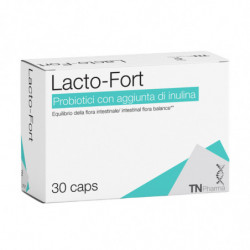
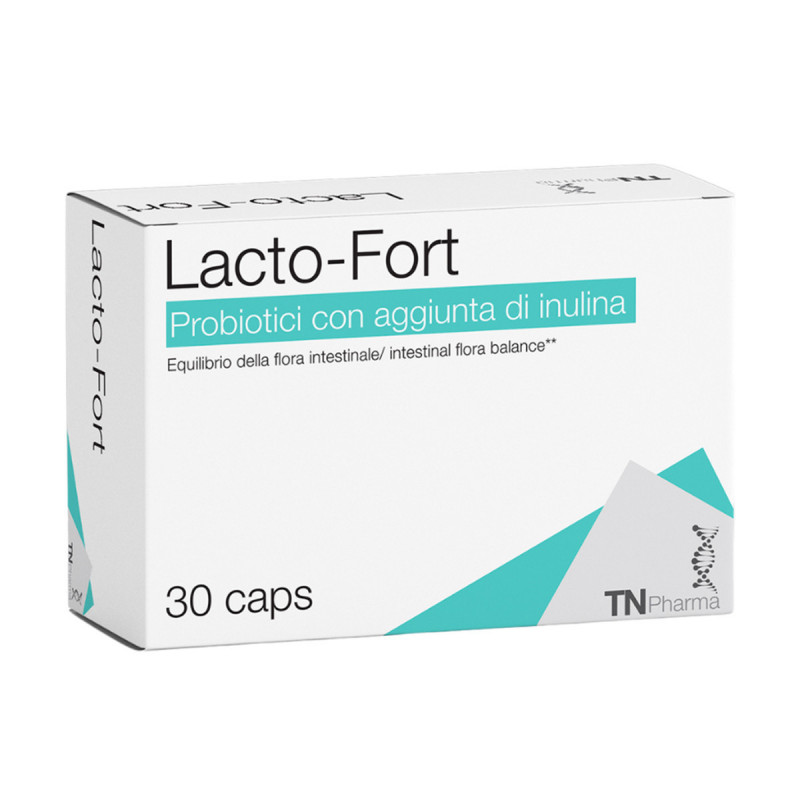
To support the balance of the gut microbiota, targeted supplementation may also be considered. Lacto-Fort 30 capsules from TN Pharma combines three probiotic strains: Saccharomyces boulardii, Lactobacillus acidophilus and Lactobacillus rhamnosus, totalling 16 billion CFU, with the addition of inulin, a prebiotic fibre that promotes the balance of the gut flora.
A simple and convenient formula, particularly useful during periods when the gut is under greater strain, such as whilst travelling or following a change in dietary habits. Lacto-Fort is also vegan, gluten-free and lactose-free.
Herbal teas and remedies to cleanse the liver and gut
Detoxifying herbal teas are genuinely effective, as certain plants contain active ingredients that have been proven to act on the liver, bile and bowel motility. For example, dandelion stimulates bile flow and has a natural, well-tolerated diuretic effect.Artichoke herbal tea offers the same liver-supporting benefits as the fresh vegetable, in a practical form that is easy to take on a daily basis. Peppermint reduces intestinal spasms and improves the digestion of fats. Ginger root speeds up gastric emptying and has a systemic anti-inflammatory effect.
Chamomile, which is often underestimated, has a direct anti-inflammatory effect on the intestinal lining, which is helpful in cases of bloating and irregular bowel movements. Fennel is one of the most effective remedies for bloating: its terpenes relax the smooth muscles of the intestine and help expel gas. For noticeable results, herbal teas should be consumed regularly.
Using bicarbonate of soda and kidney detoxification
Bicarbonate of soda is a popular remedy, with some genuine benefits and many overestimated claims. As regards the kidneys, the alkalisation of the urine it produces may be useful in specific situations, such as the prevention of certain types of urinary stones, but it does not ‘detoxify’ the kidneys in the sense that we usually understand it. The kidneys detoxify themselves as long as they are healthy: their filtration mechanism does not depend on the pH of the urine, but on blood flow and glomerular function.
What can genuinely support kidney health – and, consequently, reduce the overall burden on the excretory organs – is consistent hydration. Drinking at least 2 to 2.5 litres of water a day maintains an optimal filtration volume and reduces the concentration of metabolites in the urine. Draining herbal teas made from dandelion, birch or orthosiphon naturally increase urine output and promote the elimination of excess fluids. Bicarbonate may be of occasional benefit in cases of gastric acidity, but as a systematic strategy for renal detoxification, it has no solid basis.
Wellbeing of the pancreas, stomach and colon
A protocol aimed at cleansing the liver and the gut cannot ignorethe digestive ecosystem as a whole. The colon is the section where the greatest reabsorption of fluids takes place and, in the event of sluggish bowel movements, also of bacterial toxins that should be eliminated. Regular bowel movements, ensured by an adequate intake of fibre and a balanced gut flora, directly reduce the load reaching the liver via the portal circulation.
The pancreas, for its part, influences the quality of digestion through the enzymes it produces: lipase, protease and amylase are the three pillars of macronutrient breakdown. A stressed pancreas – caused by an unsuitable diet, alcohol or chronic inflammation – produces fewer enzymes, and incomplete digestion increases intestinal fermentation and the systemic toxic load. For those seeking specific solutions to maintain a healthy stomach and gut, the ‘Stomach and Gut’ category on the Tsunami Nutrition website brings together the most suitable products to support this digestive balance on a daily basis.
Frequently Asked Questions
What should I take to detoxify the liver and gut?
The most effective approach to detoxifying the liver and gut involves a multi-tiered strategy. For the liver, standardised milk thistle extract (silymarin) is the most well-documented starting point: it protects liver cells, reduces inflammation and supports tissue regeneration. Glutathione, the most important endogenous antioxidant for toxin metabolism, is its natural complement: supplementation with it becomes particularly useful following periods of liver stress caused by alcohol or medication. To help you navigate the range of available forms, you’ll find a detailed comparison in our guide to glutathione.
In the gut, probiotics are key to restoring the bacterial flora and strengthening the mucosal barrier. Soluble fibre (psyllium, inulin, pectin) supports bowel function and reduces the reabsorption of toxins in the colon. For those wondering about the impact of dietary supplements on liver health, the article ‘Are dietary supplements bad for the liver?’ clarifies what is safe and what warrants your attention.
How many days does it take for the liver to detoxify?
There is no fixed number of days for liver detoxification: it depends on the accumulated stress, the duration of the period of overindulgence and the liver’s initial condition. As a guide: after a single bout of overindulgence or a weekend of heavy drinking, the liver returns to normal function within 3 to 7 days, with enzyme levels returning to normal within a week. After a month of heavy consumption, functional recovery takes 4 to 8 weeks with abstinence and an appropriate diet. Mild fatty liver resolves within 2 to 4 months; more severe fatty liver may take up to 6 months. In cases of structural damage (alcoholic hepatitis or cirrhosis), the timeframes differ and medical management is required.
The factor that makes the greatest difference to the speed of recovery, apart from abstinence from the cause of the damage, is antioxidant support: replenishing depleted glutathione reserves and protecting liver cells during the regeneration phase measurably speeds up recovery times.
Which tea detoxifies the liver and the gut?
Of all the herbal teas available, three stand out due to a stronger evidence base. Green tea, rich in catechins—particularly EGCG—has antioxidant effects on liver tissue, as documented by numerous studies; it reduces the build-up of fat in the liver and supports the function of detoxification enzymes. It should be consumed without sugar and in moderation, as at very high doses, certain catechins can put strain on the liver.
Dandelion herbal tea is the most targeted choice for those seeking a direct draining and choleretic effect: it stimulates bile production, improves liver drainage and promotes the elimination of excess fluids thanks to its natural diuretic action. Artichoke and milk thistle herbal tea, on the other hand, is best suited to those whose liver is under strain: it combines the liver-protective action of silymarin with the bile-stimulating effect of cynarin, resulting in smoother digestion and less bloating after meals. For ongoing support over several weeks, these herbal teas work best when combined with a specific supplement rather than as a standalone approach.
How to cleanse the liver and gut naturally
The liver and the gut are two organs that work in tandem: what happens in one directly affects the other. The liver filters the blood arriving from the gut via the portal vein: every toxin, bacterial metabolite or food residue that crosses the intestinal barrier passes directly through the liver before entering the systemic circulation. When the gut is inflamed, its permeability increases, and the liver finds itself having to process a load that should not be reaching it. Conversely, when the liver is overburdened and reduces its bile production, the gut suffers the consequences: slowed fat digestion, irregular bowel movements and disrupted bacterial flora.
Cleansing the liver and gut naturally does not in any way mean subjecting oneself to drastic fasts, as one might think: it involves creating the conditions that allow these organs to carry out their work unhindered. The key measures remain the same: a healthy diet rich in fibre and antioxidants, adequate hydration, reducing exposure to toxins (alcohol, ultra-processed foods, non-essential medication), regular physical activity and, where necessary, support from targeted active ingredients.
To help you navigate the range of products available, the section of the Tsunami website dedicated to liver cleansers brings together the solutions best suited to a structured support programme.
Cleansing the liver in 3 or 4 days
Three or four days are not enough to ‘restore’ a liver after months of excess, but they are more than enough to kick-start a recovery process, reduce acute inflammation and give the body a respite that you can feel straight away. It would be a mistake to expect a complete transformation within 72 hours; what happens during an intensive weekend is more a reduction in the immediate burden, not complete regeneration. To speed up the elimination of excess fluids and metabolic waste, drainage supplements provide specific support to be combined with diet in these short, intensive programmes.
Quick programmes to detoxify the body
A 3–4-day programme that really works is based on a simple structure. The first step is to completely eliminate alcohol, refined sugars, fried foods and ultra-processed foods for the entire duration. The second isto increase fluid intake to 2.5–3 litres a day: still water, draining herbal teas, and hot water with lemon in the morning. The third is to focus your diet on bitter vegetables, pulses, whole grains, lean proteins and healthy fats such as extra virgin olive oil and avocado. The fourth, often overlooked, is to get at least 7 to 8 hours’ sleep every night: the liver carries out most of its regenerative work during the night, and reducing your sleep significantly diminishes the effectiveness of any detox programme.
Within 3–4 days, you can expect a reduction in abdominal bloating, easier digestion, less tiredness after meals and often a visible improvement in your skin.
Cleansing the liver to slim down and lose weight
There is a direct link between liver health and the ability to manage body weight. The liver is the central organ of lipid metabolism: it converts fats into energy, regulates cholesterol levels, manages glycogen and decides, depending on the metabolic state, whether to burn or store energy. When the liver is overburdened by excessive alcohol, sugars, saturated fats or a build-up of toxins, its metabolic efficiency decreases, and the result is often a greater tendency to accumulate visceral fat, as well as unexplained resistance to weight loss, despite dieting and exercise.
Cleansing the liver is, in this sense, a prerequisite for the metabolism to function as it should.
To support this process with an integrated approach, the Liver Detox 90-tablet programme can be combined with Tsunami: an advanced formula containing Bergacyn FF®, Siliphos® (highly bioavailable milk thistle), Clovinol® (clove extract), N-acetylcysteine, choline bitartrate, turmeric and vitamin E.
Each ingredient is selected to support liver function, digestive motility and protection against oxidative stress, with an approach that takes into account both detoxification and daily digestive wellbeing. Vegan, gluten-free and lactose-free formula. For those who also wish to support weight loss in a structured way, the weight loss section brings together the most suitable strategies and products to combine with a healthy liver.
Diet and nutrition for cleansing the liver and gut
There is no single food that ‘detoxifies’ the liver in the literal sense of the word, but there are foods that create the optimal conditions for enzymatic detoxification processes and reduce the inflammatory burden on the liver and gut. The difference between a diet that supports these organs and one that overloads them is often more subtle than one might think.
The 4 key foods for detox
Among the most beneficial foods for supporting normal liver function, four deserve special attention:
- Garlic: it contains allicin and sulphur compounds involved in the body’s natural detoxification processes. To best preserve its properties, it is best eaten raw or lightly cooked;
- Artichoke: it contains cynarin and is traditionally used to support liver function and aid digestion. It also helps with bile production and flow, which are essential, in particular, for the digestion of fats;
- Beetroot: it owes its characteristic colour to betalains, pigments with antioxidant properties. It also provides betaine, a substance involved in several metabolic processes;
- Broccoli and other cruciferous vegetables: these contain glucosinolates, from which bioactive compounds such as sulforaphane are derived. Regularly including broccoli, cabbage, cauliflower and other cruciferous vegetables in your diet therefore enriches your diet with beneficial plant compounds.
For more concentrated herbal support, standardised milk thistle extract is one of the best-known and most extensively studied options for supporting liver function.
Extracts and juices for gut health
Fruit and vegetable extracts – not to be confused with commercially produced juices – retain the fibre and micronutrients of the source foods and are an excellent way of increasing your intake of antioxidant and detoxifying compounds in a small volume. An extract of apple, ginger and beetroot in the morning provides pectin, gingerols and betalains in a single dose; an extract of celery, cucumber and parsley has a natural draining effect thanks to the apigenin and flavonoids it contains.
The crucial point that is often overlooked is that whilst these extracts aid detoxification, they do not restore the gut microbiota, which is the true driving force behind gut health and one of the factors that reduces the toxin load reaching the liver. This is why a truly effective gut detoxification programme should also include probiotics, which are capable of rebalancing the microbiota and strengthening the gut barrier from within.
To support the balance of the gut microbiota, targeted supplementation may also be considered. Lacto-Fort combines three probiotic strains: Saccharomyces boulardii, Lactobacillus acidophilus and Lactobacillus rhamnosus, totalling 16 billion CFU, with the addition of inulin, a prebiotic fibre that promotes the balance of gut flora.
A simple and convenient formula, particularly useful during periods when the gut is under greater strain, such as whilst travelling or following a change in dietary habits. Lacto-Fort is also vegan, gluten-free and lactose-free.
Herbal teas and remedies to cleanse the liver and gut
Detoxifying herbal teas are genuinely effective, as certain plants contain active ingredients that have been proven to act on the liver, bile and bowel motility. For example, dandelion stimulates bile flow and has a natural, well-tolerated diuretic effect.Artichoke herbal tea offers the same liver-supporting benefits as the fresh vegetable, in a practical form that is easy to take on a daily basis. Peppermint reduces intestinal spasms and aids the digestion of fats. Ginger root speeds up gastric emptying and has a systemic anti-inflammatory effect.
Chamomile, which is often underestimated, has a direct anti-inflammatory effect on the intestinal lining, which is helpful in cases of bloating and irregular bowel movements. Fennel is one of the most effective remedies for bloating: its terpenes relax the smooth muscles of the intestine and help expel gas. For noticeable results, the herbal teas should be consumed regularly.
Using bicarbonate of soda and kidney detoxification
Bicarbonate of soda is a popular remedy, with some genuine benefits and many overrated claims. As regards the kidneys, the alkalisation of urine that it produces may be useful in specific situations, such as the prevention of certain types of urinary stones, but it does not ‘detoxify’ the kidneys in the sense that we usually understand it. The kidneys detoxify themselves as long as they are healthy: their filtration mechanism does not depend on the pH of the urine, but on blood flow and glomerular function.
What can genuinely support kidney health – and, consequently, ease the overall burden on the excretory organs – is consistent hydration. Drinking at least 2 to 2.5 litres of water a day maintains an optimal filtration volume and reduces the concentration of metabolites in the urine. Drainage herbal teas made from dandelion, birch or orthosiphon naturally increase urine output and promote the elimination of excess fluids. Bicarbonate may be of occasional benefit in cases of gastric acidity, but as a systematic renal detoxification strategy, it has no sound basis.
Wellbeing of the pancreas, stomach and colon
A protocol aimed at cleansing the liver and the gut cannot ignorethe digestive ecosystem as a whole. The colon is the section where the greatest reabsorption of fluids occurs and, in the event of sluggish bowel movements, also of bacterial toxins that should be eliminated. Regular bowel movements, ensured by an adequate intake of fibre and a balanced bacterial flora, directly reduce the load reaching the liver via the portal circulation.
The pancreas, for its part, influences the quality of digestion through the enzymes it produces: lipase, protease and amylase are the three pillars of macronutrient breakdown. A pancreas under stress – due to an unsuitable diet, alcohol or chronic inflammation – produces fewer enzymes, and incomplete digestion increases intestinal fermentation and the systemic toxic load. For those seeking specific solutions to maintain a healthy stomach and gut, the ‘Stomach and Gut’ category on the Tsunami Nutrition website brings together the most suitable products to support this digestive balance on a daily basis.
Frequently Asked Questions
What should you take to detoxify the liver and gut?
The most effective approach to detoxifying the liver and gut involves a multi-pronged strategy. For the liver, standardised milk thistle extract (silymarin) is the most well-documented starting point: it protects liver cells, reduces inflammation and supports tissue regeneration. Glutathione, the body’s most important endogenous antioxidant for toxin metabolism, is the natural complement to this: supplementation with it becomes particularly useful following periods of liver stress caused by alcohol or medication. To help you navigate the range of available forms, a detailed comparison can be found in our guide to glutathione.
In the gut, probiotics are essential for restoring the bacterial flora and strengthening the mucosal barrier. Soluble fibre (psyllium, inulin, pectin) supports bowel movements and reduces the reabsorption of toxins in the colon. For those wondering about the impact of dietary supplements on liver health, the article ‘Are dietary supplements bad for the liver?’ clarifies what is safe and what warrants your attention.
How many days does it take for the liver to detoxify?
There is no set number of days for liver detoxification: it depends on the accumulated stress, the duration of the period of overindulgence and the liver’s initial condition. As a guide: after a single bout of overindulgence or a weekend of heavy drinking, the liver returns to normal function within 3 to 7 days, with enzyme levels returning to normal within a week. After a month of heavy consumption, functional recovery takes 4 to 8 weeks with abstinence and an appropriate diet. Mild fatty liver resolves within 2 to 4 months; more severe fatty liver may take up to 6 months. In cases of structural damage (alcoholic hepatitis or cirrhosis), the timeframes differ and medical management is required.
The factor that makes the greatest difference to the speed of recovery, apart from abstaining from the cause of the damage, is antioxidant support: replenishing depleted glutathione stores and protecting liver cells during the regeneration phase measurably speeds up the recovery process.
Which tea detoxifies the liver and the gut?
Of all the herbal teas available, three stand out as having a stronger evidence base. Green tea, rich in catechins, particularly EGCG, has antioxidant effects on liver tissue that have been documented in numerous studies; it reduces the build-up of fat in the liver and supports the function of detoxification enzymes. It should be consumed without sugar and in moderation, as at very high doses, certain catechins can place a strain on the liver.
Dandelion herbal tea is the most targeted choice for those seeking a direct draining and choleretic effect: it stimulates bile production, improves liver drainage and promotes the elimination of excess fluids thanks to its natural diuretic action. Artichoke and milk thistle herbal tea, on the other hand, is best suited to those whose liver is under strain: it combines the liver-protective action of silymarin with the bile-stimulating effect of cynarin, resulting in smoother digestion and reduced heaviness after meals. For ongoing support over several weeks, these herbal teas work best when combined with a specific supplement rather than as a standalone strategy.