- Health and wellness
- 2 views

- Metabolism and women's well-being
- Hormonal balance and insulin sensitivity: what you need to know
- Inositol: characteristics and role in cellular processes
- Myo-inositol: what it is and where it is found
- The role of inositol in cellular signal transmission
- Inositol and polycystic ovary syndrome
- The relationship between metabolism and ovarian function
- How to use inositol supplements and precautions
- Frequently asked questions
- What is myo-inositol?
- What role does inositol play in cellular processes?
- What is the relationship between inositol and polycystic ovary syndrome?
- Which lifestyle factors can influence women's metabolic well-being?
Metabolism and women's well-being
Metabolism encompasses all the reactions through which the body obtains and uses energy, processes nutrients, and maintains its functions. Throughout life, these processes can be influenced by many factors, including age, body composition, physical activity, diet, sleep, and hormonal status.
In the female body, hormonal changes associated with the menstrual cycle, pregnancy, and perimenopause may be accompanied by physiological changes. However, there is no single model of female metabolism: individual characteristics and health conditions help determine each person's needs.
To support metabolic well-being, it is helpful to focus on sustainable habits, such as:
- A varied and balanced diet: obtaining carbohydrates, proteins, fats, vitamins, and minerals from a range of food sources;
- Regular physical activity: combining aerobic exercise and strength training where possible, according to individual abilities;
- Adequate rest: making time for sleep and recovery, which are important for overall well-being;
- Stress management: identifying realistic strategies for dealing with everyday demands;
- Health check-ups: discussing persistent symptoms or menstrual changes with a healthcare professional.
These habits can contribute to overall health, but they are not sufficient on their own to diagnose or treat metabolic and hormonal disorders. If specific symptoms occur, it is important to understand their cause before changing your diet or starting supplementation.
Hormonal balance and insulin sensitivity: what you need to know
Hormones are chemical messengers that regulate numerous bodily functions, including metabolism, reproduction, growth, and the stress response. Their activity depends on complex mechanisms involving different organs and systems.
An important metabolic process is insulin sensitivity, which refers to the ability of cells to respond to insulin, the hormone that helps regulate blood glucose levels.
When the response to insulin is reduced, the body may need to produce larger amounts of it to keep blood glucose within an appropriate range. This condition is known as insulin resistance and may be associated with several genetic and environmental factors.
Insulin sensitivity is also of interest in relation to polycystic ovary syndrome. Some women with PCOS may have metabolic alterations, but the syndrome is heterogeneous and not everyone has the same characteristics. Diagnosis requires a clinical assessment and cannot be based solely on changes in weight, irregular periods, or other isolated signs.
A balanced diet, regular exercise, and adequate rest are important for metabolic health. However, when hormonal or blood glucose abnormalities are present, the most appropriate approach should be defined with a healthcare professional, taking into account the individual's situation and any ongoing treatments.
Inositol: characteristics and role in cellular processes
Inositol is a compound belonging to the polyol family, often described as sugar alcohols. It occurs naturally in the body and in various foods, and participates in cellular processes involving membranes and biochemical signal transmission.
There are several forms of inositol, each with a specific molecular structure. The most studied include myo-inositol and D-chiro-inositol, which participate in different biological processes. These two forms are not automatically interchangeable, and their presence in supplements depends on the formulation.
Scientific interest in inositol also concerns its involvement in certain mechanisms related to hormonal responses and carbohydrate metabolism. However, it is important to distinguish a substance's physiological role from the evidence demonstrating the effectiveness of taking it as a supplement.
Myo-inositol: what it is and where it is found
Myo-inositol is one of the most widespread forms of inositol in body tissues and is the form most commonly used in many inositol-based food supplements. The body can produce it and also obtain it through food.
Foods that can provide inositol in varying amounts include:
- Fruit: some varieties naturally contain inositol in their plant tissues;
- Vegetables: they can contribute to the overall intake of various compounds found in plant foods;
- Legumes: they contain substances that contribute to the food's overall nutritional profile, including compounds related to inositol;
- Whole grains: they may contain inositol and compounds such as phytates, whose presence varies depending on the grain and processing method;
The amount actually consumed through the diet depends on food choices, portion sizes, and preparation methods. A varied diet helps provide a range of nutrients and compounds naturally found in foods.
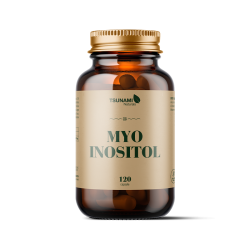
One of the available products is Myo Inositolo 120 caps by TN Naturals, a supplement containing myo-inositol in capsule form. The product contains 500 mg of myo-inositol per capsule and is described as vegan, gluten-free, and lactose-free. These details describe the product's composition and do not mean that supplementation is necessary for everyone.
The role of inositol in cellular signal transmission
Cells communicate through a series of chemical signals that allow the body to coordinate its functions. Some molecules in cell membranes participate in transmitting these signals and help convert an external stimulus into a response inside the cell.
Inositol is involved in the formation of certain phospholipids and molecules that act as intracellular messengers. These systems contribute to communication between cells and responses to specific signals, including those associated with certain hormones.
Myo-inositol has also been studied in relation to the mechanisms that regulate the response to insulin. This relationship helps explain the research interest in its potential role in certain metabolic conditions, including PCOS. However, it does not mean that taking myo-inositol will necessarily improve insulin sensitivity or hormonal balance in every person.
Inositol and polycystic ovary syndrome: what the research says
Polycystic ovary syndrome (PCOS) is a complex endocrine condition that can present in different ways. Depending on the individual, it may be associated with irregular menstrual cycles, ovulation disorders, signs of excess androgens, and metabolic risk factors.
Diagnosis is not based on a single symptom or solely on the presence of ovaries with a polycystic appearance on ultrasound. It requires a clinical assessment that considers the appropriate diagnostic criteria and, when necessary, rules out other conditions with similar manifestations.
Inositol has been studied in this context because of its possible involvement in processes related to insulin response and ovarian function. Research has examined different outcomes, but the evidence is not consistent and does not support attributing the same effects to every formulation.
The international PCOS guidelines published in 2023 indicate that inositol may be considered based on individual preferences, acknowledging a possible effect on some metabolic parameters but limited or uncertain clinical benefits for outcomes such as ovulation, hirsutism, and weight. The guidelines also emphasize that the available evidence does not allow a specific form, dose, or combination to be recommended as suitable for everyone with PCOS.
Consequently, inositol should not be presented as a cure for polycystic ovary syndrome or as a substitute for prescribed treatments. Any decision to supplement with inositol should be assessed as part of an individualized care plan, with clear information about expected benefits and the limitations of the scientific evidence.
The relationship between metabolism and ovarian function
Metabolism and ovarian function are connected through several hormonal mechanisms. In addition to helping regulate blood glucose, insulin interacts with other signals involved in reproductive function. In some people with PCOS, insulin resistance may contribute to the metabolic and hormonal picture, although it is not present in every case.
Ovarian function nevertheless depends on many factors. The menstrual cycle, ovulation, and hormone production are regulated by a complex system involving the hypothalamus, pituitary gland, and ovaries. For this reason, menstrual changes can have different causes and should be investigated if they are persistent or unusual.
Myo-inositol has been studied in people with PCOS, particularly in relation to certain metabolic and reproductive parameters. However, results vary across studies and do not guarantee improvements in menstrual regularity, ovulation, or fertility. In particular, it should not be taken with the expectation of achieving pregnancy without specialist assessment.
For people diagnosed with PCOS, management may include several strategies chosen according to symptoms and personal goals:
- Personalized nutrition: a dietary plan suited to nutritional and metabolic needs;
- Physical activity: regular, sustainable exercise chosen according to individual abilities;
- Clinical monitoring: check-ups determined by a doctor according to the hormonal picture and risk factors;
- Specific treatments: when indicated, these may include medication or other strategies prescribed by a healthcare professional;
- Individually assessed supplementation: any supplements should be considered within the overall care plan.
There is no single strategy that works for every woman with PCOS. It is therefore important to avoid self-treatment and consult a gynecologist, endocrinologist, or another qualified professional to identify the most appropriate interventions.
How to use inositol supplements and precautions
Inositol supplements can differ in the form used, amount per dose, number of capsules, and presence of other ingredients. To compare products correctly, it is important to read the label and check the actual amount of the substance provided by the recommended daily dose.
For TN Naturals Myo Inositolo, the recommended intake is one capsule a day with a glass of water. The product is vegan, gluten-free, and lactose-free. It is important to follow the instructions on the packaging and not increase the daily amount independently.
Before using an inositol supplement, it is helpful to consider the following:
- Purpose of supplementation: clarify why you want to take the product and whether it is appropriate for your needs;
- Composition: check the form of inositol, the amount per dose, and any added ingredients;
- Health conditions: seek professional advice if you have a medical condition or a PCOS diagnosis;
- Medications and other supplements: tell your doctor or pharmacist what you are taking so they can assess overall compatibility;
- Pregnancy and breastfeeding: use the product only after discussing it with a healthcare professional.
Tolerability and possible adverse effects may vary. The evidence on inositol safety and different supplementation protocols is not sufficient to consider every formulation suitable for everyone. If symptoms occur after taking it, stop using the product and seek medical advice.
It is important to remember that a supplement does not replace a varied and balanced diet, a healthy lifestyle, or medical treatment. In cases of irregular periods, suspected PCOS, ovulation-related difficulties, or blood glucose abnormalities, the priority is a professional assessment to clarify the situation and establish an appropriate plan.
Frequently asked questions
What is myo-inositol?
Myo-inositol is a form of inositol naturally present in the body and in various foods. It participates in cellular processes, including those involved in membrane structure and biochemical signal transmission. It is also used in food supplements, but the decision to take it should consider individual needs and professional advice, especially when medical conditions are present.
What role does inositol play in cellular processes?
Inositol contributes to the formation of molecules involved in communication between cells and the transmission of certain intracellular signals. These mechanisms participate in various physiological processes, including responses to specific hormones. Its biological role alone does not prove that supplementation produces specific benefits for everyone.
What is the relationship between inositol and polycystic ovary syndrome?
Inositol has been studied in polycystic ovary syndrome because of its possible involvement in certain metabolic and reproductive processes. Available evidence suggests possible effects on some metabolic parameters, but clinical benefits remain limited or uncertain for several outcomes, including ovulation and fertility.
The decision to use a supplement should be assessed with a healthcare professional and does not replace the diagnosis or treatment of PCOS.
Which lifestyle factors can influence women's metabolic well-being?
Diet, physical activity, sleep quality, stress management, and consistent daily habits can contribute to overall well-being and metabolic health. It is helpful to adopt sustainable strategies suited to individual needs, avoiding restrictive diets or drastic changes without a specific reason. If persistent symptoms or hormonal abnormalities occur, it is important to consult a professional to identify the causes and assess the most appropriate interventions.
Women's metabolic well-being depends on the interaction between diet, physical activity, rest, hormonal factors, and individual circumstances. Understanding the role of inositol helps people navigate nutrition, metabolism, and women's well-being with greater awareness.
A balanced routine remains the starting point, while any myo-inositol supplementation should be considered according to the product's composition, personal needs, and advice from a healthcare professional.