- Health and wellness
- 2581 views

What is GLP-1?
GLP-1 (glucagon-like peptide-1) is a hormone released by our gut, mainly after meals. It is one of the ‘metabolic’ signals that help the body manage what we eat: sugars, appetite and digestion times. Under normal conditions, it is produced in small quantities and has a short half-life, but its impact on appetite control and blood glucose controlis very significant.
The natural hormone and its functions
Natural GLP-1 performs several coordinated functions, acting as a sort of ‘message’ that tells the body: ‘food has arrived’, and regulates energy and satiety. In practice: it stimulates insulin production when blood glucose levels are high, reduces glucagon, slows down gastric emptying and sends satiety signals to the brain.
The result is better control of post-meal blood glucose levels and, often, a reduced urge to continue eating.
GLP-1 receptor agonists
GLP-1 receptor agonists are medicines that mimic the action of GLP-1, but in a more ‘stable’ and prolonged manner compared with the natural hormone. They were originally developed for type 2 diabetes and are now also used for weight management, for certain molecules and indications.
In Italy, the classes under consideration include GLP-1 receptor agonists (dulaglutide, exenatide, exenatide LAR, liraglutide, lixisenatide, semaglutide) and also GIP/GLP-1 dual agonists (tirzepatide).
The use of GLP-1 for weight loss
When we talk about ‘GLP-1 for weight loss’, we are referring to the use of specific medicines (and not the hormone itself) in clinical management programmes for obesity or excess weight with associated risk factors. The aim is not merely to see the scales go down, but to improve appetite control, adherence to the treatment plan and metabolic parameters. It is essential to clarify that these are not ‘cosmetic’ treatments: they require a medical prescription, suitability assessments and regular monitoring, particularly as they may cause gastrointestinal side effects and interact with other treatments.
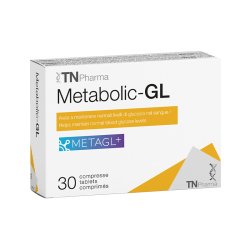
Tn Pharma’s GLP-1is a supplement with a formula based on METAGL+ (white mulberry extract, peony extract, orchid extract, biotin and vitamin D): the formula is designed to naturally support the mechanisms linked to the GLP-1 hormone, which is involved in regulating appetite, satiety and blood sugar control after meals.
When taken consistently, it can help you feel fuller for longer, reduce unplanned snacking and promote better control of calorie intake as part of a balanced diet. A better balance between satiety, blood sugar levels and energy contributes to more stable days, with fewer sudden spikes and dips, and greater clarity when making food choices.
Tn Pharma’s GLP-1 is a vegan, gluten-free and lactose-free nutraceutical supplement, to be combined with a balanced diet, regular physical activity and a lifestyle focused on wellbeing.
The mechanism of action for weight loss
Weight loss occurs mainly because these medicines help to reduce calorie intake: they increase feelings of fullness, reduce hunger and make it easier to stick to a low-calorie diet. Slowing gastric emptying makes you feel ‘full’ for longer and, for many people, changes their relationship with portion sizes and snacking. They are not a substitute for diet and physical activity: they work best when used to support long-term consistency.
Effectiveness in the treatment of diabetes and obesity
In type 2 diabetes, GLP-1 receptor agonists are used to improve glycaemic control (often in combination with other medicines) and frequently result in weight loss. In the management of obesity, certain molecules have specific indications: for example, Wegovy (semaglutide) is indicated as an aid to weight management in combination with a low-calorie diet and increased physical activity.
It is important to remember that efficacy varies from person to person: the tolerated dose, adherence to treatment, lifestyle and the quality of follow-up all play a part.
Trade names of GLP-1 medicines
- Semaglutide: Ozempic (type 2 diabetes), Rybelsus (oral semaglutide for type 2 diabetes), Wegovy (weight management)
- Liraglutide: Victoza (type 2 diabetes), Saxenda (weight management)
- Dulaglutide: Trulicity (type 2 diabetes)
- Lixisenatide: Lyxumia (type 2 diabetes)
- Exenatide: Byetta / Bydureon (type 2 diabetes; names may vary by market)
- Tirzepatide (dual GIP/GLP-1 agonist): Mounjaro (type 2 diabetes; may also have weight-related indications depending on authorisations/labels)
The difference between GLP-1 medicines and supplements
GLP-1 medicines are medicines with well-defined active ingredients (e.g. semaglutide, liraglutide), standardised dosages and clinical trials: they directly ‘activate’ the GLP-1 receptor.
Supplements, on the other hand, are not receptor agonists: they may contain ingredients that indirectly support satiety or glycaemic control (such as fibre or extracts), but they do not replicate the pharmacological effect and are not equivalent in terms of potency, outcomes and safety monitoring.
Forms, prices and availability
In Italy, these are prescription-only medicines; for certain indications in type 2 diabetes, there are prescribing and reimbursement guidelines updated by the AIFA.
In terms of availability, in recent years there have been shortages or intermittent supplies of certain products: AIFA has published notices and updates on Ozempic/Victoza and the procedures relating to the shortage (including importation from abroad at specific times).
Formulations (vials and tablets)
Most treatments are available as pre-filled pens for subcutaneous injection (daily or weekly, depending on the medicine). Oral semaglutide tablets (Rybelsus) are also available for type 2 diabetes.
In practice: the ‘convenience’ of the format significantly affects the user experience, but the choice should not be based on personal preference: it must be guided by clinical indications, tolerability and therapeutic objectives.
The cost of GLP-1 medicines
Prices depend on the active ingredient, strength, packaging, reimbursement schemes and the policies of individual pharmacies. To give an idea (list prices/indicative figures reported by databases or pharmacy channels, and therefore subject to variation):
- Ozempic (1 pen): around €168.82 in some packs
- Wegovy (1 pen, certain initial dosages): approximately €220.00
- Saxenda (5 pens): approximately €302.88
- Mounjaro (4 doses per pen, certain packs): approximately €346.58
The actual monthly cost depends on the number of pens required, the prescribed dosage and any reimbursement (for example, Mounjaro has been reimbursed since 23 February 2025 for type 2 diabetes under AIFA Note 100).
Risks and side effects
These are effective medicines but not without risks: they must be introduced gradually, monitored and managed if persistent side effects occur. A real risk at present also concerns counterfeit products: the AIFA/EMA has issued alerts regarding counterfeit Ozempic circulating in illegal networks and reiterates that counterfeit products are mainly distributed via unauthorised channels.
The most common side effects
- Nausea and a feeling of early satiety
- Vomiting
- Diarrhoea or constipation
- Abdominal pain/‘heavy’ feeling, bloating, acid reflux
- Loss of appetite (sometimes excessive)
Contraindications and risks to be aware of
- Possible problems with the gallbladder or bile ducts in some people (particularly with rapid weight loss)
- Caution is advised in people who have had pancreatitis or who have symptoms suggestive of it (always to be assessed by a doctor)
- Risk of hypoglycaemia when used in combination with insulin or sulphonylureas (a dose adjustment may be necessary)
- Interactions with oral medicines: delayed gastric emptying may affect the absorption of certain medicines
- Thyroid-related issues: the PRAC/EMA concluded that the available evidence does not support a causal link between the GLP-1 receptor agonists assessed and thyroid cancer, although monitoring and appropriate use remain important
Frequently asked questions
What exactly is the GLP-1 hormone?
It is a gut hormone that increases after meals and regulates insulin, digestion and satiety. Put simply: it helps manage blood sugar levels and ‘switches off’ hunger more quickly, making it easier to stop eating when you’re full.
How much does treatment with GLP-1 medicines cost?
It depends on the medicine and the dosage: some packs can cost around €170–350 (or more) and, depending on how the pen is used, this may cover a month or varying periods. Furthermore, the cost varies significantly depending on whether the treatment is reimbursed or paid for entirely by the patient.
Is a doctor’s prescription required to buy GLP-1 medicines?
Yes: these are prescription-only medicines. For some treatments, there are also specific prescription and reimbursement rules, and clinical monitoring is generally required.
What are the most common side effects of GLP-1?
Gastrointestinal side effects: nausea, vomiting, changes in bowel movements (diarrhoea or constipation), bloating and a feeling of fullness. In many cases, these subside as the dose is gradually adjusted, but if they become severe or persistent, they should be reviewed with your doctor.
Do GLP-1-based supplements work in the same way as medicines?
No: they do not directly activate the GLP-1 receptor in the same way as semaglutide or liraglutide, and do not have the same clinical evidence. They may indirectly support satiety or blood glucose management, but they are not equivalent to, do not replace, and should not be considered a ‘natural Ozempic’.