- Health and wellness
- 3 views

- What folic acid is and what it does
- Foods rich in folic acid
- Folic acid deficiency and excess
- Dosage and choosing supplements
- Frequently asked questions
What folic acid is and what it does
Folic acid is the synthetic form of vitamin B9, a water-soluble micronutrient that is essential for numerous cellular processes. Vitamin B9 occurs naturally in foods in the form of folates, while folic acid is used in supplements. Both forms help meet the body's requirements for this nutrient, which is involved in DNA synthesis, cell division and red blood cell formation.
Vitamin B9 is important at every stage of life, but it plays a particularly significant role during pregnancy, when it contributes to the normal development of the embryo's nervous system and helps prevent neural tube defects. Adequate intake is therefore important both through diet and, when indicated, through targeted supplementation.
Understanding the differences between folates and folic acid, knowing which foods contain significant amounts and recognising when a supplement may be useful can help you manage your nutritional intake more effectively. It is equally important to understand the risks of deficiency and the precautions to take when consuming high doses.
The biological functions of vitamin B9
Vitamin B9 is involved in several metabolic processes through molecules that participate in the transfer of one-carbon units, meaning small groups of carbon atoms used in numerous cellular reactions. These mechanisms are essential for the production and transformation of certain molecules required by the body.
The main functions of vitamin B9 include:
- DNA and RNA synthesis: it contributes to the production of nucleic acids, which are essential for storing and transmitting genetic information;
- Cell division and growth: it participates in the processes that allow cells to multiply and renew themselves;
- Red blood cell formation: it contributes to normal haematopoiesis, the production of blood cells;
- Amino acid metabolism: it is involved in reactions involving several amino acids, including the conversion of homocysteine into methionine;
- Embryonic development: it is essential during the early stages of pregnancy, when the structures that will give rise to the central nervous system are formed.
Vitamin B9 works in synergy with other micronutrients, particularly vitamin B12, which also contributes to red blood cell formation and homocysteine metabolism.
For this reason, when assessing a possible folate deficiency, it is important to consider vitamin B12 status as well. A high intake of folic acid can, in fact, correct some blood-related symptoms of vitamin B12 deficiency without resolving possible neurological damage.
Vitamin B9 belongs to the B-vitamin family and works alongside other nutrients in the same group in numerous metabolic processes. You can learn more about B-vitamin supplements in our dedicated guide.
Health benefits for men and women
Adequate vitamin B9 intake contributes to the normal functioning of the body, regardless of sex. In both men and women, folates are involved in DNA synthesis, cell division and the formation of blood cells. They also contribute to normal psychological function and the reduction of tiredness and fatigue.
Its contribution to reducing tiredness relates to the maintenance of normal physiological functions and may be particularly important when dietary intake is insufficient.
In women, vitamin B9 has a specific importance during the period before conception and in the first weeks of pregnancy. Folate is necessary for the proper formation of the embryo's neural tube, a structure that develops very early and gives rise to the brain and spinal cord. Adequate folic acid intake before conception and at the beginning of pregnancy helps reduce the risk of neural tube defects.
For this reason, women planning a pregnancy are generally advised to take 400 micrograms of folic acid per day, starting at least one month before conception and continuing throughout the first trimester, unless otherwise advised by a healthcare professional.
In men, vitamin B9 also participates in cell division processes and blood formation. It is also involved in amino acid metabolism, including the conversion of homocysteine. However, these functions should not be interpreted as proof that supplementation automatically improves male fertility or cardiovascular health: any specific benefits depend on individual circumstances and the available evidence.
Foods rich in folic acid
Vitamin B9 can be obtained through a varied diet that regularly includes vegetables, legumes, fruit and other foods that provide folates. The most interesting dietary sources are mainly leafy green vegetables and legumes, although appreciable amounts are also found in some animal-derived foods, such as liver.
It is worth clarifying that in natural foods, vitamin B9 is mainly present in the form of folates, not folic acid. The latter is the synthetic form used in supplements and fortified products. The amount actually obtained through the diet depends on food choices, portion sizes and storage and preparation methods.
Foods with the highest folate concentrations
Among the foods that can make a significant contribution to vitamin B9 intake are:
- Liver: especially the liver of certain animals, it is a concentrated source of folates. However, it also contains high amounts of preformed vitamin A and should not be consumed freely, particularly during pregnancy;
- Leafy green vegetables: spinach, Swiss chard, lettuce, chicory and other deep-green vegetables are important sources of folates;
- Legumes: lentils, chickpeas, beans and peas contribute to vitamin B9 intake and can easily be added to pasta dishes, soups and salads;
- Asparagus: it contains folates and can be served as a side dish or used as an ingredient in various recipes;
- Broccoli and cabbage: they provide vitamin B9 along with other vitamins, minerals and fibre;
- Citrus fruits and other fruit: oranges, kiwis and other fruits contribute to overall intake, although they generally do not reach the concentrations found in some vegetables and legumes;
- Nuts and seeds: walnuts, almonds and certain seeds can provide varying amounts of folates and add nutritional variety to the diet.
Vitamin B9 is sensitive to heat and can be lost in cooking water. To limit these losses, you can alternate raw and cooked vegetables, favour short cooking times and, whenever possible, use the cooking liquid in your dishes. These practices help preserve some of the folates in foods, although they cannot guarantee that the initial amount will be retained.
The difference between natural folates and synthetic folic acid
The terms folates and folic acid refer to different forms of vitamin B9. Folates occur naturally in foods and include several molecules involved in metabolic reactions. Folic acid, on the other hand, is a synthetic, more stable form used in most supplements and in foods to which this vitamin is added.
The difference also concerns bioavailability, meaning the proportion of a nutrient that the body can absorb and use. Folic acid generally has higher bioavailability than the folates naturally present in foods. This aspect is taken into account in nutritional reference systems that use dietary folate equivalents to compare different sources.
After absorption, folic acid must undergo several metabolic steps before it can enter the body's biological processes. Dietary folates, on the other hand, are already present in reduced forms, although they still need to be digested and absorbed before they can be used.
This distinction does not mean that one form is always preferable to the other. Dietary folates are an important part of a balanced diet, while folic acid is particularly useful when a precise intake needs to be ensured, such as in the period before pregnancy.
Folic acid deficiency and excess
Vitamin B9 deficiency can develop when dietary intake is insufficient, when the body has difficulty absorbing it or when requirements increase. Situations that can contribute to a deficiency include an unvaried diet, excessive alcohol consumption, certain intestinal conditions and specific drug treatments.
Folate deficiency can interfere with normal blood cell production and cell division processes. One of the best-known consequences is megaloblastic anaemia, characterised by red blood cells that are larger than normal and abnormal cell maturation. Tiredness, weakness, paleness and difficulty concentrating may occur, but these symptoms are not specific and can also be caused by other conditions, including vitamin B12 deficiency.
Although naturally occurring food folates are not associated with the same risks as high doses of added forms, consuming disproportionate amounts of vitamin B9 without a genuine need does not automatically provide additional benefits.
The consequences and risks of overdose
A high intake of folic acid can be problematic, especially when it continues over time and is not justified by medical advice. One of the main safety considerations concerns the relationship between vitamin B9 and vitamin B12.
A high amount of folic acid can correct certain blood abnormalities caused by vitamin B12 deficiency, particularly megaloblastic anaemia, without addressing the neurological damage associated with cobalamin deficiency. This can make one of the signs of B12 deficiency less noticeable and delay its recognition, while neurological symptoms may continue to progress.
For this reason, before taking high doses of folic acid, it is important to assess whether a vitamin B12 deficiency may be present, especially in people who follow a diet that puts them at risk or have conditions that may impair absorption. Alternatively, vitamin B12 supplements may be taken.
According to the assessment of the European Food Safety Authority (EFSA), the tolerable upper intake level for adults from supplements and fortified foods is 1,000 micrograms per day. This limit applies to added forms of folate, including folic acid and specific forms of 5-MTHF, and is not a recommended intake to aim for. It does not apply in the same way to folates naturally present in foods. Higher doses may be prescribed by a doctor in specific situations, under medical supervision.
Dosage and choosing supplements
Most people can help meet their vitamin B9 requirements through a varied diet rich in vegetables and legumes. In some situations, however, dietary intake may not be sufficient or requirements may increase. This is the case, for example, in the period before pregnancy and during the first weeks of gestation, when folic acid supplementation is recommended to reduce the risk of neural tube defects.
Supplements may contain folic acid or other forms of folate, such as 5-methyltetrahydrofolate. The choice should not be based solely on the amount stated on the label or claims of superior absorption, but also on the formulation, the quality of the available information and individual needs.
Recommended daily requirements
Vitamin B9 requirements vary according to age and specific physiological conditions. According to EFSA's European reference values, the reference intake for adults is 330 micrograms of dietary folate equivalents per day. During pregnancy, requirements increase and the reference value is 600 micrograms per day; during breastfeeding, it is 500 micrograms per day.
It is important to distinguish these values from the recommended supplementation during the periconceptional period. Women planning a pregnancy are generally advised by public health guidelines to take 400 micrograms of folic acid per day, starting at least one month before conception and continuing throughout the first trimester. In certain risk conditions, a doctor may recommend different doses.
Dietary folate equivalents take into account differences in bioavailability between folates naturally present in foods and folic acid taken through supplements or fortified foods. For this reason, micrograms expressed as dietary folate equivalents should not automatically be confused with the amount of folic acid contained in a tablet.
How to identify a supplement with the best absorption
Vitamin B9 supplements may contain folic acid or reduced forms of folate, including 5-methyltetrahydrofolate (5-MTHF), also known as methylfolate. This is a form that is already directly involved in the body's metabolic processes and does not require the conversion step catalysed by the MTHFR enzyme.
5-MTHF is available in different formulations and can be used in supplements as an alternative to folic acid. Its bioavailability is generally considered high, but it is not correct to claim that it is always higher or necessarily the best choice for everyone. The presence of variants of the MTHFR gene also does not automatically mean that the body cannot use folic acid: US CDC guidance continues to recommend 400 micrograms of folic acid per day to people who could become pregnant, even in the presence of the most extensively studied genetic variant.
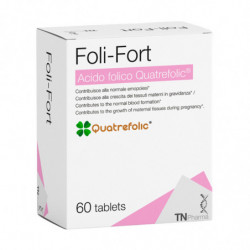
Available formulations include Quatrefolic, a patented 5-MTHF-based ingredient used in some supplements. When evaluating this type of product, it is useful to check the stated chemical form, the amount per serving, the other ingredients and the manufacturer's instructions.
There is no universally better supplement in terms of absorption or results. The choice depends on requirements, tolerability, individual circumstances and any recommendation from a healthcare professional. In particular, when planning a pregnancy, it is important to follow specific recommendations on folic acid rather than replacing it with other forms of folate without medical advice.
Frequently asked questions
Does regular folic acid intake cause weight gain?
No, folic acid does not directly cause weight gain. It is a water-soluble vitamin that does not provide significant amounts of energy and does not, in itself, increase body fat. Body weight mainly depends on overall energy balance, diet, physical activity and other individual factors. Supplementation should still be taken when necessary, following the recommended doses and without taking larger amounts in the hope of obtaining additional benefits.
Which food is the richest source of folic acid?
Among natural foods, liver is one of the most concentrated sources of folates, although its content varies according to the animal species and preparation method. Legumes, spinach, asparagus and other leafy green vegetables are also important sources. However, liver contains high amounts of preformed vitamin A and should be avoided during pregnancy according to food safety recommendations. To obtain folates in everyday life, it is preferable to alternate different plant-based sources rather than relying on a single food.
What time of day is best to take folic acid?
There is no best time of day to take folic acid. It can be taken in the morning or at another time, following the instructions on the label and any recommendations from a doctor. Taking it regularly is more important than the exact time. In the case of pregnancy, a diagnosed deficiency or specific treatment, it is advisable to follow the healthcare professional's instructions.
Folic acid and folates are forms of vitamin B9 that are essential for DNA synthesis, cell division and red blood cell formation. A varied diet rich in leafy green vegetables and legumes helps meet requirements, while supplementation may be recommended in specific situations. The choice of formulation and dosage should take individual needs into account, with particular attention to pregnancy planning and the relationship with vitamin B12.