- Health and wellness
- 5 views

- What Is Vitamin B12
- What Is Vitamin B12 Used For
- Vitamin B12 Deficiency
- Dietary Sources of Vitamin B12
- How to Take Vitamin B12
- Contraindications of Vitamin B12
- Frequently Asked Questions
What Is Vitamin B12
Vitamin B12, also known as cobalamin, is an essential water-soluble vitamin for the proper functioning of the body. It belongs to the B-vitamin group and is involved in several biological processes, including red blood cell formation, DNA synthesis and the maintenance of normal nervous system function.
The human body cannot produce sufficient amounts of vitamin B12 on its own: it must therefore be obtained through food or, when necessary, supplements. Natural dietary sources are mainly animal-based, while some plant-based products may contain it when fortified. Vitamin B12 is also available in dietary supplements, which come in different formulations and concentrations.
An adequate intake is important at every stage of life, but some people are at greater risk of deficiency. These include people following a vegan diet without adequate supplementation, individuals with absorption disorders and those taking certain medications for extended periods.
What Is Vitamin B12 Used For
Vitamin B12 performs several essential functions for health. It is involved in the metabolism of certain substances, contributes to normal red blood cell formation and helps maintain neurological function. It is also involved in homocysteine metabolism, a compound produced during normal metabolic processes.
Its importance is not limited to preventing deficiencies: an adequate intake allows the body to maintain several physiological processes. However, this does not mean that taking amounts above the recommended requirement automatically produces more energy, improves concentration or increases physical performance.
Benefits for the Nervous System
One of vitamin B12's main roles concerns the normal functioning of the nervous system. Cobalamin participates in metabolic processes necessary for maintaining nerve cells and contributes to the formation and maintenance of myelin, a sheath that surrounds many nerve fibres and helps transmit nerve impulses.
A prolonged deficiency can impair neurological function and mental wellbeing, causing symptoms such as tingling, numbness in the hands and feet, changes in sensitivity and coordination difficulties.
Vitamin B12 also contributes to normal homocysteine metabolism, together with other nutrients such as folate and vitamin B6. The balance of these substances is important for several cellular processes, but vitamin B12 supplementation should not be considered a general solution for improving memory or preventing cognitive decline in people who are not deficient.
Red Blood Cell Production and Reduction of Tiredness
Vitamin B12 is necessary for normal red blood cell formation. These blood cells transport oxygen from the lungs to the tissues. It is involved in DNA synthesis and the processes of cell maturation that take place in the bone marrow.
When vitamin B12 intake or absorption is insufficient, red blood cell production may become inefficient and megaloblastic anaemia may develop. This condition is characterised by red blood cells that are larger than normal and may cause tiredness, weakness, paleness, shortness of breath during physical activity and difficulty concentrating.
Cobalamin also contributes to the reduction of tiredness and fatigue, but this benefit is particularly relevant when the body does not receive or absorb an adequate amount of the vitamin. In the absence of a deficiency, there is no strong evidence that taking additional doses improves vitality or increases daily energy levels.
Vitamin B12 and B vitamins work together with other nutrients, including folic acid, which is also involved in DNA synthesis and blood cell formation.
Vitamin B12 Deficiency
Vitamin B12 deficiency occurs when the body does not have enough of this nutrient to perform its functions properly. It can develop gradually because the body has vitamin B12 stores that can last for several years. For this reason, symptoms do not always appear immediately after dietary intake decreases.
Common manifestations include persistent tiredness, weakness, paleness, difficulty concentrating and changes in sensation. In more severe or prolonged cases, anaemia and neurological disorders may occur, which can sometimes persist even after treatment begins.
Deficiency should not be underestimated, particularly because some symptoms can also occur in the absence of anaemia. Diagnosis is based on medical assessment and blood tests, which may be supplemented with further investigations when the results are inconclusive.
Causes and Absorption Difficulties
There are several possible causes of vitamin B12 deficiency. The first is insufficient dietary intake, which may occur when a diet excludes or contains very small amounts of animal-based foods and does not include supplementation or regular consumption of fortified products.
Another important cause is impaired absorption. To be absorbed, the vitamin B12 found in food must first be released from the proteins to which it is bound through the action of gastric juices. It then binds to intrinsic factor, a protein produced by cells in the stomach, which allows it to be absorbed in the final section of the small intestine, known as the terminal ileum.
Conditions that can interfere with absorption include:
- Autoimmune atrophic gastritis: it can impair intrinsic factor production and make vitamin absorption difficult;
- Intestinal disorders: conditions such as coeliac disease and certain diseases affecting the small intestine can interfere with nutrient absorption;
- Surgery: certain stomach or intestinal procedures, including some bariatric surgeries, can reduce the body's ability to absorb B12;
- Older age: in some people, reduced stomach acidity can make it harder to release vitamin B12 from food proteins;
- Medications: prolonged use of medicines such as metformin and proton pump inhibitors may be associated with reduced vitamin B12 levels.
Recreational use of nitrous oxide is also a risk factor, as it can interfere with vitamin B12 activity and cause neurological and haematological disorders. In these cases, clinical assessment may require specific tests because normal blood B12 levels do not always fully reflect its functional status.
Identifying the cause of a deficiency requires more than simply considering dietary intake. A doctor may assess medical history, medications and any gastrointestinal disorders, as well as prescribe the most appropriate tests according to the NICE guidelines on vitamin B12 deficiency.
Dietary Sources of Vitamin B12
Vitamin B12 is naturally found mainly in animal-based foods. The most important sources include meat, fish, shellfish, eggs, milk and dairy products. The amount present can vary depending on the food, animal species and preparation methods.
Foods that can make a significant contribution to vitamin B12 intake include:
- Liver and organ meats: these are among the most concentrated dietary sources of cobalamin;
- Shellfish and crustaceans: clams, mussels and other seafood can provide significant amounts of vitamin B12;
- Fish: some varieties, such as sardines, salmon and tuna, contribute to the intake of this nutrient;
- Meat: beef, veal and other meats contain varying amounts of vitamin B12;
- Eggs: they provide B12, although the amount is generally lower than that found in some meats and seafood;
- Milk and dairy products: milk, yoghurt and cheese can contribute to daily intake.
Unfortified plant-based foods, on the other hand, are not reliable sources of bioavailable vitamin B12. Some plant-based products, such as soy drinks, breakfast cereals and nutritional yeast, may contain it when it is added during production.
It is not advisable to rely on algae, spirulina or fermented foods as the sole source of B12. They may contain compounds similar to cobalamin, but these are not always biologically active or usable by the body. People following a vegetarian or vegan diet should therefore carefully plan their intake of this nutrient.
A varied diet can meet the requirements of many people who regularly consume animal-based foods, but it does not necessarily guarantee adequate absorption in the presence of certain gastrointestinal conditions. The amount consumed through food and the amount actually absorbed do not always coincide.
How to Take Vitamin B12
Vitamin B12 can be obtained through food and supplements. The choice depends on dietary habits, age, health conditions and whether a deficiency has been diagnosed or there are risk factors that increase the likelihood of developing one.
For most people who follow a varied diet and absorb nutrients properly, dietary sources may be sufficient. In other cases, such as vegan diets or when absorption problems are present, specific supplementation may be necessary.
Guide to Using Supplements
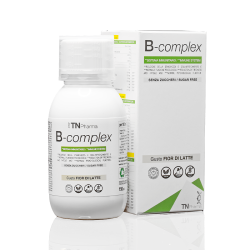
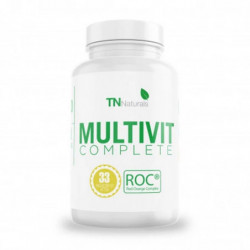
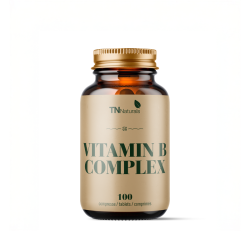
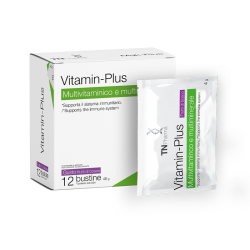
Vitamin B12 supplements are available in several forms, including tablets, capsules, sublingual tablets and liquid preparations. Injectable formulations are also available and are generally used as medical treatment when the deficiency is significant or intestinal absorption is impaired.
The most common forms found in supplements include:
- Cyanocobalamin: a stable form widely used in supplements and products intended to treat deficiency;
- Methylcobalamin: one of the active forms of vitamin B12 found in the body, also used in oral formulations;
- Adenosylcobalamin: another biologically active form involved in specific cellular metabolic reactions;
- Hydroxocobalamin: a form also used in certain medicinal preparations, particularly for injection.
The appropriate dose is not the same for everyone. Supplements intended to complement the diet may have different concentrations from products used to treat a deficiency. When a deficiency has been diagnosed, the doctor determines the amount and duration of treatment based on its cause, severity and the body's ability to absorb the vitamin.
It is important not to start high-dose supplementation before undergoing tests when a deficiency is suspected, because taking B12 can alter the values measured in the blood and make diagnostic assessment more complicated. If neurological symptoms or anaemia are present, it is particularly important to seek medical advice promptly.
People following a vegan diet, on the other hand, should plan for continuous supplementation through an appropriate product or fortified foods consumed regularly and in sufficient amounts. The choice of strategy depends on actual intake and individual needs.
Contraindications of Vitamin B12
Vitamin B12 is generally well tolerated at commonly used doses, but this does not mean that every supplement is suitable for everyone or that taking it is always necessary. Before starting a product, it is useful to consider dietary habits, health conditions and any medications that may affect the absorption or metabolism of the vitamin.
Furthermore, the safety of a supplement also depends on its formulation and the amount it contains. High doses used to treat a deficiency should be distinguished from those intended simply to supplement the diet and should be taken according to appropriate guidance.
When Not to Take It
There is no general contraindication to vitamin B12 supplementation for all healthy people. However, supplementation should not be started without a genuine need, particularly when using a high-dose product or when medical conditions or drug treatments are involved.
It is advisable to ask a doctor or pharmacist for guidance, particularly in the following cases:
- Allergy or hypersensitivity: anyone who has experienced reactions to preparations containing cobalamin or cobalt should check with their doctor whether a specific product can be used;
- Existing medical conditions or treatments: certain clinical conditions and medications may affect B12 levels or the response to supplementation;
- Abnormal blood test results: if tests show elevated levels or results that do not match the symptoms, it is important to clarify the cause before taking additional amounts;
- Pregnancy and breastfeeding: requirements must be met, but the choice of product and dose should be assessed according to individual needs and healthcare recommendations.
Vitamin B12 may also interact with certain treatments or be involved in situations that alter its absorption. For example, metformin and medicines that reduce stomach acidity may be associated with lower levels over time. Do not stop or change any treatment on your own: a doctor should assess whether monitoring or supplementation is necessary.
Possible Side Effects
Vitamin B12 generally has a good tolerability profile, and no tolerable upper intake level has been established for the general population, partly because of the low toxicity observed at usual doses. This does not mean that high amounts should be taken without a reason or that individual reactions cannot occur.
Some people may experience mild symptoms, such as nausea, diarrhoea or gastrointestinal discomfort. Skin reactions, such as rashes or itching, have also been reported, although they are uncommon. Allergic reactions are rare but require attention if facial or throat swelling, breathing difficulties or other serious symptoms occur.
Another aspect to consider concerns vitamin B12 blood levels. After taking supplements or receiving injections, concentrations may increase significantly. A high value does not automatically indicate toxicity, but it should be interpreted alongside medical history, any supplementation and other test results.
If unexpected reactions occur after taking the supplement, it is advisable to stop using the product and seek advice from a healthcare professional. If symptoms consistent with a severe allergic reaction occur, immediate medical attention is necessary.
Frequently Asked Questions
What Does It Mean to Have High Vitamin B12 Levels in the Blood?
Having high vitamin B12 levels in the blood does not necessarily mean that you are taking too much or experiencing toxicity. One of the most common explanations is the use of supplements, multivitamins or injectable preparations containing cobalamin, which can increase the concentration measured by blood tests.
When supplementation is not involved, high levels may also be associated with certain medical conditions, including liver or kidney diseases and blood disorders. The value alone cannot identify the cause and should not be interpreted as a diagnosis.
What Time of Day Is Best to Take Vitamin B12?
There is no single best time of day for everyone to take vitamin B12. Oral supplements can generally be taken according to the instructions on the label, while maintaining a certain degree of regularity. There is no evidence that taking them in the morning, at lunchtime or in the evening produces significant differences in benefits for most people.
The method of administration may depend on the formulation and the instructions provided by the manufacturer or healthcare professional. If you are following treatment for a diagnosed deficiency, it is important to follow the dose and frequency established by your doctor without changing them independently.
Can Taking Vitamin B12 Help Strengthen Hair?
Vitamin B12 contributes to normal red blood cell formation and nervous system function, but there is no evidence that supplementation strengthens hair in people who do not have a deficiency. An insufficient amount may contribute to general health problems and, in some cases, may also be associated with changes in hair condition, but hair loss can have many different causes.
Hair health depends on several factors, including genetic predisposition, hormonal balance, scalp conditions and the intake of nutrients such as iron, zinc and biotin. Correcting a B12 deficiency may be important for overall wellbeing, but it does not guarantee hair regrowth or stronger hair.
Do People Following a Vegan Diet Need to Take Vitamin B12 Continuously?
People following a vegan diet must ensure a regular and reliable intake of vitamin B12, because unfortified plant-based foods are not adequate sources of this vitamin. The main options are using a specific supplement or regularly consuming planned amounts of fortified foods, making sure that the intake is sufficient.
The need to maintain a continuous intake stems from the fact that a vegan diet excludes the main natural dietary sources of B12. The choice of supplement and frequency of intake should take into account the amount contained in the product and individual requirements.
Vitamin B12 is essential for the nervous system, red blood cell formation and normal energy metabolism. A deficiency may result from insufficient intake as well as absorption difficulties and should be assessed through an appropriate diagnostic process. Following a varied diet, knowing the dietary sources and using targeted supplementation when necessary helps maintain an adequate intake, without considering high doses a solution for tiredness, cognitive problems or hair loss.