- Health and wellness
- 596 views
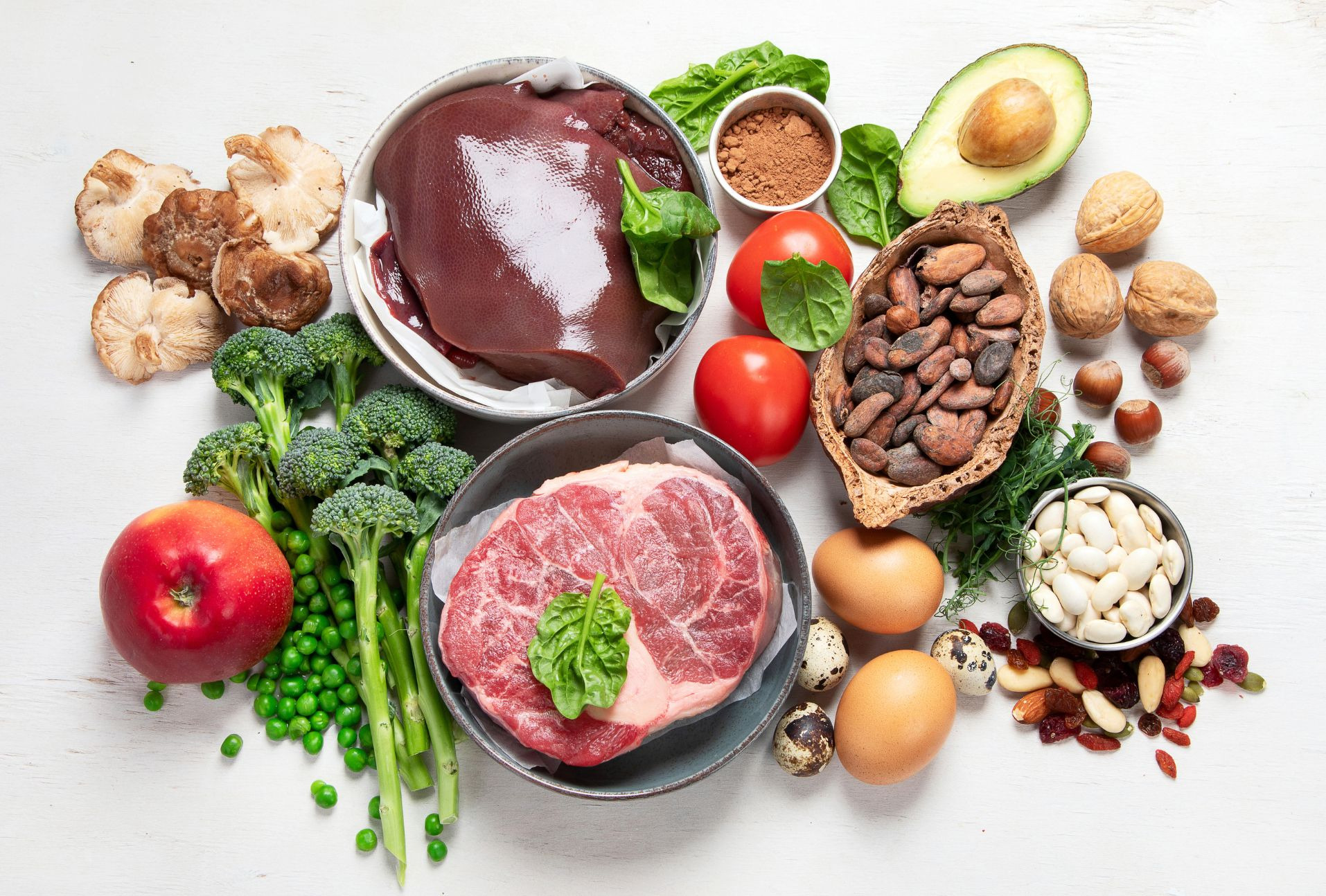
Two forms of iron, two very different rates of absorption
Before looking at any nutritional tables, it is important to understand one thing that radically changes how we interpret the figures: not all dietary iron is created equal. A food labelled as containing 10 mg of iron may actually provide less than one labelled as containing 3 mg.
The reason lies in the existence of two distinct forms.
- Haem iron, found exclusively in animal products, such as meat, offal, fish and seafood. It is bound to haemoglobin and myoglobin, and is efficiently absorbed by the gut: around 15 to 35 per cent of what is ingested.
- Non-haem iron, found in plants, eggs and dairy products. Its absorption is much lower and, above all , highly variable, ranging from 2 to 20 per cent, depending on what else is eaten with it.
It is this variability that makes the subject interesting: unlike most nutrients, what you eat at the same time matters almost as much as what you eat. We shall see how to make the most of this.
Iron contributes to the normal transport of oxygen in the body, the normal formation of red blood cells and haemoglobin, normal energy metabolism, normal cognitive function, the normal functioning of the immune system and the reduction of fatigue.
Recommended intakes
Iron requirements have a distinctive feature: they vary significantly according to sex and stage of life, which is rare amongst minerals.
The nutritional reference value is approximately 11 mg per day for an adult man and for a non-menstruating woman, rising to 16 mg per day for a menstruating woman. Menstrual blood loss accounts for this difference, and losses increase further in the event of heavy periods.
Pregnancy significantly increases iron requirements. Endurance athletes are another group at risk: the repeated impact of the foot striking the ground, micro-losses during digestion and sweating lead to additional losses that diet does not always compensate for.
The foods richest in iron
The list below distinguishes between the two forms, as the crude iron content does not tell the whole story.
Spinach deserves a mention, as it has an overrated reputation. Its iron content is decent without being exceptional, and, more importantly, the iron is non-haem and is accompanied by oxalates, which inhibit its absorption. It is an excellent vegetable; it is not the iron powerhouse that popular culture has made it out to be.
What promotes and what hinders absorption
This is where the key lies, and it’s good news: you can influence the absorption of non-haem iron without changing what you eat, simply by altering the food combinations.
What significantly improves absorption:
- Vitamin C, by far the most effective factor. A squeeze of lemon juice over lentils, peppers in a dish, a kiwi for dessert: the effect is real and immediate. Specialised formulations can be found in the vitamin C supplements category.
- The inclusion of meat or fish in the same meal, which improves the absorption of the plant-based iron present alongside it.
- Soaking and sprouting pulses and grains, which reduce their phytate content.
- Fermentation, which explains why sourdough bread is better than standard bread in this respect.
What hinders it:
- Tea and coffee, whose tannins significantly reduce absorption. This is the easiest factor to address: have them an hour before or after meals rather than during.
- Calcium, which competes with iron. A large glass of milk or a yoghurt with an iron-rich meal is counterproductive.
- Phytates in wholegrains and unsoaked pulses.
- Certain medicines, particularly proton pump inhibitors, which reduce the stomach acid needed for absorption.
Iron, vitamin B9 and vitamin B12: the anaemia trio
It is a common mistake to immediately attribute persistent tiredness to iron, as three distinct nutrients can cause anaemia, each with different clinical presentations and treatments.
- Iron deficiency causes what is known as microcytic anaemia, characterised by small red blood cells with low haemoglobin levels.
- Vitamin B9 and vitamin B12 cause macrocytic anaemia, characterised by abnormally large red blood cells.
A blood count allows these two conditions to be distinguished at a glance, something that cannot be done based on symptoms alone. Our article on vitamin B9 deficiency details the second scenario, whilst the one oninterpreting B12 levels explains why this test result should be interpreted with caution.
A word of caution regarding iron supplementation
Let’s be clear: you should not take iron supplements without first having your ferritin levels tested.
The reason is that the body has no active mechanism for eliminating excess iron. Whatever is taken in remains, and prolonged excess accumulates in the liver, heart and pancreas. Some people also have haemochromatosis, a genetic predisposition to absorb too much iron, which is sometimes only diagnosed late in life.
It should also be noted that iron promotes oxidative stress when present in excess, and that unnecessary supplementation exposes you to very real digestive problems without any corresponding benefit: constipation, nausea and abdominal pain.
The correct approach is simple: persistent fatigue warrants a blood test to measure ferritin levels and a complete blood count. If a deficiency is confirmed, your doctor will decide on and monitor iron supplementation. If ferritin levels are normal, the fatigue has another cause, and taking iron supplements will only add to the risk associated with an unresolved problem.
Frequently asked questions
Which food contains the most iron?
Black pudding, with around 20 mg per 100 g, is by far the richest source, and this is haem iron, which is therefore well absorbed. Next come liver and shellfish.
Be careful not to be misled by the raw figures: dark chocolate and pumpkin seeds show high figures, but their non-haem iron is absorbed far less efficiently than that found in red meat, even though the latter is less rich in iron on paper.
How can you boost your iron levels quickly through your diet?
Three practical steps you can take from your next meal onwards: add a source of vitamin C to every dish containing plant-based iron, delay drinking tea and coffee by at least an hour around mealtimes, and pair legume dishes with a little meat or fish.
These adjustments can significantly improve absorption without changing the composition of your meal. However, rebuilding truly low iron stores takes weeks and requires medical supervision.
Do vegetarians lack iron?
Not necessarily, but they need to pay closer attention to it. As plant-based iron is absorbed less efficiently, the recommended intake is higher for these diets.
The strategies are well-known and effective: soaked pulses, always combining them with vitamin C, seeds and nuts, and being mindful of drinking tea with meals. Regular monitoring of ferritin levels is a sensible precaution, particularly for menstruating women.
Can you take iron supplements without a prescription?
It is possible, but it is not recommended without a prior blood test. Unlike most nutrients, the body does not actively eliminate excess iron, which accumulates in the organs.
A ferritin test is inexpensive and removes any uncertainty. Taking supplements without proper assessment carries a risk of iron overload in those who are predisposed to it, and may cause digestive problems with no benefit in those who do not have an iron deficiency.
Does exercise increase iron requirements?
Yes, particularly in endurance sports. Several mechanisms combine: minor digestive losses, losses through sweating, and the destruction of red blood cells linked to the repeated impact of the foot striking the ground in runners.
In athletes, an iron deficiency results in reduced endurance performance and prolonged recovery, often mistakenly attributed to overtraining. Among female endurance athletes, regular monitoring of ferritin levels is a common and justified practice.
If you were to take just one tip away from this whole article, it would be this: have a glass of lemon water or a piece of fresh fruit with your lentil dish, and save your tea for later. Those two seconds’ adjustment will have a greater impact on the amount of iron you actually absorb than the choice between two foods in the table above.