- Health and wellness
- 0 views

- What is GABA
- Its role in the brain
- Benefits and properties of GABA
- Stress reduction
- Improved sleep
- How and when to take it
- The ideal time of day
- How long it takes to work
- Side effects and contraindications
- Frequently asked questions
- Do GABA supplements really work?
- How can you increase GABA naturally?
- Which medications interact with GABA?
- Is GABA powder or capsules better?
What Is GABA?
GABA, an acronym for gamma-aminobutyric acid, is a substance naturally produced by the body and also found in some foods. In the central nervous system, it acts as the main inhibitory neurotransmitter: it helps regulate neuronal activity and maintain a balance between excitatory and inhibitory signals.
Because of its role in the nervous system, GABA is of interest in the areas of relaxation, stress management, and sleep. It is also available as a dietary supplement, used by people who wish to support their well-being during periods of tension or difficulty sleeping.
Its Role in the Brain
In the brain, GABA helps reduce neuronal excitability by interacting with specific receptors. This mechanism is important for the normal functioning of the nervous system and is involved in several physiological processes.
The functions associated with GABA activity include:
- Regulation of neuronal activity: helps balance excitatory and inhibitory signals in the central nervous system;
- Relaxation: GABAergic circuits are involved in the processes that regulate nervous system activation and responses to stimuli;
- Sleep: the GABAergic system participates in the brain mechanisms that promote the onset and maintenance of sleep;
- Neurological functions: GABA-mediated transmission is essential for various activities of the nervous system.
It is important to distinguish these mechanisms from the effects of supplementation. GABA taken orally may not reach the brain in significant amounts because its ability to cross the blood-brain barrier is still a matter of debate.
Benefits and Properties of GABA
GABA is primarily studied for its potential role in stress management and sleep quality. Some human studies have reported favorable results for certain parameters, but the available research is limited and differs in terms of formulations, amounts used, and duration of supplementation.
A systematic review of clinical studies on oral GABA intake found limited evidence for stress reduction and very limited evidence for benefits related to sleep. Therefore, it is not appropriate to present this supplement as a proven solution for anxiety, insomnia, or other clinical disorders.
Stress Reduction
GABA is often associated with relaxation because it is involved in the mechanisms that regulate nervous system activity. During demanding periods, feelings of tension can be influenced by numerous factors, including mental workload, sleep quality, daily habits, and individual responses to stressful events. In these cases, people may consider using supplements for anxiety.
If tension persists, interferes with daily activities, or is accompanied by significant symptoms, it is advisable to consult a doctor.
To support physical and psychological well-being, it may be helpful to combine any nutritional strategies with regular habits, such as physical activity suited to individual circumstances, breaks throughout the day, relaxation techniques, and adequate sleep. These measures do not replace necessary treatment, but they may help with everyday stress management.
Improved Sleep
GABA is involved in the brain circuits that regulate sleep and wakefulness. This physiological relationship has led researchers to investigate its potential use in supplements for people who want to relax before going to bed or to consider sleep supplements.
Research on oral intake has examined parameters such as the time needed to fall asleep, subjective sleep quality, and the feeling of being refreshed upon waking.
There is no conclusive evidence that GABA improves sleep in everyone or directly corrects circadian rhythms. These rhythms are regulated by several mechanisms, including light exposure, meal times, daily activity, and the production of hormones involved in the sleep-wake cycle.
Insomnia may be linked to behavioral factors, medical conditions, stress, medications, or other issues that require a specific approach.
How and When to Take GABA
GABA is available in various dietary supplements, but there is no single dosage or method of use that is suitable for everyone.
Before starting supplementation, it is advisable to read the instructions on the packaging, check the composition, and consider your own health circumstances. If you take medication, have medical conditions, or are unsure whether the supplement is compatible with other products, consult a doctor or pharmacist.
The Ideal Time of Day
When to take GABA depends on the intended purpose, the formulation, and the manufacturer's instructions. People considering GABA for evening relaxation or sleep may choose to take it in the hours before bedtime. The response may depend on the formulation, the amount taken, and individual characteristics.
To use a supplement more carefully, it is helpful to:
- Follow the label: stick to the recommended amount and any instructions regarding when to take it;
- Avoid unassessed combinations: do not combine GABA with other relaxing or sleep-promoting products without professional advice;
- Consider ongoing treatments: seek advice from a healthcare professional if you take medication or have medical conditions;
- Monitor tolerability: stop using the product and seek medical advice if adverse effects occur.
Remember that supplements do not replace good sleep hygiene or an assessment of the causes of a persistent sleep disorder.
How Long Does It Take to Work?
There is no precise timeframe within which a GABA supplement should produce a noticeable effect. The subjective feeling of relaxation does not necessarily correspond to a measurable change in sleep quality or other physiological indicators.
If no benefits are observed, increasing the dose on your own is not an appropriate strategy. It is preferable to check the product instructions and consult a professional to determine whether supplementation is suitable for your needs.
When sleep difficulties or tension persist, it is important not to rely exclusively on supplements. Identifying the factors contributing to the problem helps determine a more targeted approach and, if necessary, obtain appropriate treatment.
Side Effects and Contraindications
Available information on the safety of oral GABA is relatively limited, particularly regarding long-term use and certain groups of people.
Effects observed in some studies include a temporary, moderate reduction in blood pressure. For this reason, particular caution is advisable for people with low blood pressure or those taking blood pressure-lowering medications. Safety during pregnancy and breastfeeding has not been adequately established.
The main precautions concern:
- Blood pressure medications: GABA may contribute to lower blood pressure and increase the risk of hypotension when combined with certain treatments;
- Sedatives or medications that act on the nervous system: compatibility should be assessed by a professional, particularly when several products with potential effects on relaxation or alertness are used together;
- Pregnancy and breastfeeding: there is insufficient data to establish the safety of supplementation, so consult a doctor before use;
- Medical conditions or ongoing treatment: people with medical conditions or taking medication should seek advice before starting a supplement;
- Dosages and combinations: do not exceed the recommended amounts or combine several supplements without checking their ingredients.
Information about interactions remains limited, and caution is particularly important when medications affecting blood pressure, sedation, or central nervous system function are involved.
If significant dizziness, unusual weakness, fainting, or other serious symptoms occur after taking the supplement, stop using the product and seek appropriate medical assistance.
Frequently Asked Questions
Do GABA Supplements Really Work?
The effectiveness of GABA supplements has not yet been conclusively demonstrated. Some human studies have reported potential benefits for certain stress and sleep indicators, but the overall evidence is limited and the results are not always consistent.
An important distinction is the difference between GABA naturally produced by the brain and GABA taken orally.
Results may vary depending on the formulation, the amount taken, the duration of use, and individual characteristics.
How Can You Increase GABA Naturally?
The body produces GABA through biochemical processes involving glutamate. The amount and activity of this neurotransmitter are regulated by complex mechanisms, so it is not possible to directly control brain GABA levels through a single food or a simple dietary change.
GABA is also found in some foods, particularly fermented products and certain vegetables.
- Fermented foods: products such as kimchi, miso, and tempeh may contain GABA, with amounts varying according to the fermentation process;
- Grains and legumes: brown rice, soy, and some legumes may provide varying amounts;
- Vegetables: spinach, tomatoes, and other vegetables may contain different amounts;
- Tea: some varieties of tea may provide GABA, depending on the raw materials and production processes.
A varied, balanced diet, together with a regular sleep-wake schedule and appropriate habits, can contribute to overall well-being, but it does not guarantee a specific increase in brain GABA levels.
As for adaptogenic plants, ashwagandha has mainly been studied for its potential effects on stress and well-being. However, the available evidence does not support the claim that taking it necessarily increases brain GABA levels or acts uniformly on its receptors.
Which Medications Interact with GABA?
Interactions between GABA supplements and medications have not been studied in sufficient depth to provide a complete and definitive list. Nevertheless, caution is advisable when taking treatments that affect blood pressure or act on the central nervous system.
In particular, seek medical or pharmaceutical advice before combining GABA with:
- Antihypertensive medications: because some studies have associated oral GABA with a moderate reduction in blood pressure, combining it with these medications could increase the risk of excessively low blood pressure in some people;
- Sedatives or medications that reduce alertness: the safety of combining these products should be assessed individually, particularly when using sleep medications or other products that affect the nervous system;
- Other relaxing supplements: combining several products intended for sleep or stress management may make it more difficult to assess their overall effects and tolerability.
Before starting supplementation, it is preferable to tell your healthcare professional the product's name, the intended amount, and the complete list of medications you use.
Is GABA Powder or Capsules Better?
There is insufficient evidence to claim that GABA powder is more effective than capsules, or vice versa. The choice mainly depends on convenience, personal preferences, and the characteristics of the formulation.
The two forms have some practical differences:
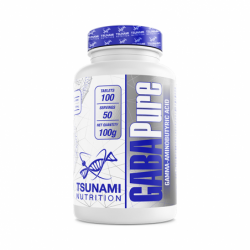
- GABA capsules: provide a defined amount per unit and may be convenient for people who prefer a ready-to-use format;
- GABA powder: may offer greater flexibility when preparing a dose, but the amount must be measured correctly according to the manufacturer's instructions.
In both cases, it is important to check the actual amount of GABA per serving, the full composition, and the directions for use. Do not assume that powder is absorbed more quickly or that capsules produce longer-lasting effects without formulation-specific data.
GABA is an essential neurotransmitter for regulating nervous system activity and is being studied for its potential role in relaxation and sleep.