- Health and wellness
- 11 views

- What is L-carnitine and what is it used for?
- Main functions
- Dietary sources
- The benefits of L-carnitine
- Effects on weight loss
- Sports performance
- Effects on women
- How and when to take L-carnitine
- Before or after meals
- Recommended dosage
- Contraindications and side effects
- Main health risks
- Warnings about acetyl-L-carnitine
- Types and prices of supplements
- Frequently asked questions
- Is L-carnitine bad for the heart?
- Does taking L-carnitine cause bloating?
- How long does L-carnitine take to work?
- What are the contraindications of Carnidyn Plus?
What Is L-carnitine and What Is It Used For?
L-carnitine is a compound involved in fatty acid metabolism. It is produced by the body from two amino acids, lysine and methionine, through processes that also require other nutrients. It is present in almost all cells, with particularly high concentrations in tissues with high energy demands, such as skeletal muscles and the heart.
Its best-known function is to facilitate the transport of long-chain fatty acids across the inner mitochondrial membrane. Mitochondria are cellular structures where many energy-producing processes take place. Once transported inside them, fatty acids can be used through a process called beta-oxidation.
This mechanism is important for energy metabolism, but it does not mean that taking additional carnitine automatically leads to greater body fat loss.
Main Functions
L-carnitine contributes to several metabolic processes, particularly those involved in using fat as an energy source. Its functions are especially relevant in tissues that require a continuous energy supply, but these should be distinguished from the effects that may be obtained through supplementation.
Its main roles include:
- Fatty acid transport: allows long-chain fatty acids to reach the mitochondria, where they can be used to produce energy;
- Energy metabolism: participates in the mechanisms that enable cells to use lipids as an energy source;
- Muscle function: is present in skeletal muscles, which use different energy sources depending on the intensity and duration of physical activity;
- Metabolic balance: contributes to the transport of certain compounds involved in fatty acid metabolism and mitochondrial function.
The body can synthesise carnitine and also obtain it from food. Under normal physiological conditions, supplementation may be indicated in certain clinical circumstances, but for the general population it is advisable to carefully assess whether it is actually necessary.
Dietary Sources
L-carnitine is found mainly in foods of animal origin. Red meat, poultry, fish, milk and dairy products can contribute to dietary intake, with amounts varying according to the food and its preparation.
Plant-based foods generally contain lower amounts. However, the body can produce carnitine from other compounds, so following a vegetarian or vegan diet does not automatically lead to a deficiency. Assessment should take the overall nutritional picture and any individual circumstances into account.
The main dietary sources include:
- Meat: especially red meat, which is generally richer in carnitine than many other food categories;
- Fish: can contribute to dietary intake, with differences between species;
- Milk and dairy products: provide varying amounts of carnitine and can be part of a balanced diet;
- Plant-based foods: generally contain smaller amounts, while contributing other nutrients that support metabolism.
A varied, balanced diet provides carnitine along with protein, vitamins, minerals and other nutrients. If you have a condition that may affect carnitine levels, consult a healthcare professional for an individual assessment.
The Benefits of L-carnitine
The potential benefits of L-carnitine have been studied mainly in relation to weight management, body composition and sports performance.
An important biological function does not necessarily translate into an additional benefit from supplementation. In particular, people who already produce adequate amounts of carnitine are not guaranteed a proportional increase in fat oxidation or energy availability by taking more.
Dosage, supplementation duration, health status and the type of physical activity may all affect the outcomes.
Effects on Weight Loss
L-carnitine is often included in weight-management supplements because it helps transport fatty acids into the mitochondria. This has led to the idea that it may promote fat burning and accelerate weight loss. However, being involved in lipid metabolism does not mean that supplementation automatically causes weight loss.
It is important to remember that weight loss depends primarily on energy balance over time. Reducing body fat requires a sustainable calorie deficit achieved through an appropriate diet, physical activity and daily habits that are compatible with your health status.
L-carnitine cannot replace these factors and does not guarantee localised fat loss. It is also not appropriate to view it as a way to compensate for an unbalanced diet or insufficient physical activity.
Sports Performance
Because L-carnitine is present in muscles and contributes to energy metabolism, it has been studied as a potential aid for people who exercise. The hypothesis is that it may contribute to fatty acid utilisation and influence certain aspects of performance or recovery.
Effects may vary depending on the type of exercise, duration of exertion, nutritional status and supplementation protocol. Sometimes, carnitine and creatine are taken together for sports-related goals. These substances have different functions and should not be considered interchangeable or automatically necessary for everyone who trains.
Areas that have been investigated include:
- Fat utilisation during exercise: carnitine contributes to fatty acid transport, but supplementation does not guarantee a significant increase in fat burning during physical activity;
- Muscle recovery: some studies have assessed potential effects on specific recovery indicators, with results that are not always consistent;
- Endurance: there is insufficient evidence to consider L-carnitine uniformly effective across all sports;
- Body composition: any effects on weight and body fat appear to be modest and do not replace an appropriate nutrition and training strategy.
To improve sports performance, the priorities remain a well-structured training programme, adequate energy intake, recovery and a diet suited to the type of activity performed.
Effects on Women
L-carnitine performs the same fundamental metabolic functions in men and women. It helps transport fatty acids into the mitochondria and contributes to energy production. However, there is no conclusive evidence that supplementation offers specific benefits for women's well-being or directly supports hormonal balance.
In women, interest in carnitine often relates to weight management, physical activity and fatigue. However, it is important to avoid attributing direct effects on hormones, the menstrual cycle or women's vitality to it without adequate clinical evidence.
Supporting women's well-being involves considering several factors, including diet, sleep quality, physical activity, stress management and overall health. If persistent fatigue or menstrual changes occur, it is preferable to identify possible causes with the support of a healthcare professional rather than relying on a single supplement.
How and When to Take L-carnitine
How L-carnitine should be taken depends on the formulation, the amount contained in the product and the instructions on the label. There is no single method that is suitable for everyone, nor is there one time of day that guarantees better results in every situation.
Before using a supplement, it is useful to define your goal and assess whether there are specific reasons to take it. L-carnitine is not essential for every athlete and does not need to be taken automatically before every workout.
Consistency and following the product instructions are more important than trying to find an ideal time of day. If you have a medical condition, take medication or are unsure whether it can be combined with other supplements, ask a doctor or pharmacist for advice.
Before or After Meals
There is no rule stating that L-carnitine must be taken on an empty stomach, before meals or after eating. Instructions may vary depending on the formulation and specific product, so it is important to refer to the label.
For people who exercise, supplementation is sometimes scheduled before a workout. However, there is insufficient evidence to establish that taking L-carnitine immediately before physical activity consistently improves performance or promotes greater fat loss during the session.
To use the product carefully:
- Follow the label instructions: check the dose, frequency and any directions regarding meals;
- Assess tolerability: if gastrointestinal symptoms occur, ask a healthcare professional for advice;
- Consider other supplements: check the combined composition of the products you take to avoid unnecessary overlap;
- Do not increase the amount on your own: a higher dose does not guarantee better results and may increase the risk of side effects.
Recommended Dosage
There is no recommended daily dose of L-carnitine for all healthy people who wish to lose weight or improve sports performance. Clinical studies have used different amounts, often in the range of approximately 1–3 grams per day, but these protocols should not automatically be treated as recommendations for self-administration.
The appropriate amount, when supplementation is indicated, depends on the formulation, the goal and individual circumstances. It is not appropriate to apply the dosage used in one study to every commercial product or to someone with different characteristics.
It is also important to distinguish supplementation intended for general well-being from the use of carnitine for specific clinical conditions, where dosage and monitoring must be determined by a doctor.
Before choosing a product, check:
- The amount of L-carnitine per serving: check the actual content stated on the label;
- The form used: L-carnitine, acetyl-L-carnitine and other forms are not necessarily equivalent for every goal;
- The manufacturer's instructions: follow the recommended daily dose and do not exceed it;
- Your health status: if you have kidney disease, seizure disorders or take medication, seek medical advice before use.
A higher dose does not necessarily produce a greater effect on weight loss or performance. Taking large amounts may also cause gastrointestinal problems and other unwanted effects. It is therefore preferable to avoid taking high doses without medical guidance and to assess whether supplementation is actually necessary.
Contraindications and Side Effects
L-carnitine occurs naturally in the body and in food, but this does not mean that every amount taken through supplements is risk-free. Tolerability also depends on dosage, individual circumstances, duration of use and any existing medical conditions.
Many people tolerate supplementation without major problems, but large amounts may cause side effects, particularly gastrointestinal symptoms. It is therefore important to follow the product instructions and avoid taking multiple carnitine-containing supplements without assessing the total intake.
The main precautions concern people with pre-existing medical conditions, those taking medication and those with a history of seizure disorders. In these cases, consulting a doctor before starting supplementation is particularly important.
Main Health Risks
The most frequently reported side effects following the intake of large amounts of carnitine include digestive problems and a possible fish-like body odour. The risk may increase as the amount taken increases.
Side effects to be aware of include:
- Nausea and vomiting: may occur particularly with high doses or poor individual tolerability;
- Abdominal cramps and diarrhoea: are among the gastrointestinal problems reported in supplementation studies;
- Characteristic body odour: some people may develop a fish-like smell;
- Muscle weakness: has been reported in specific clinical circumstances, such as in people with severely impaired kidney function;
- Seizures: particular caution is needed in people with seizure disorders or a history of epileptic seizures.
Carnitine has also been studied for its possible relationship with the intestinal production of trimethylamine N-oxide, known as TMAO. Some data suggest a possible association between levels of this substance and cardiovascular risk, but the clinical significance of this relationship is not yet fully understood. It is therefore not appropriate to conclude that supplementation necessarily causes cardiovascular disease, nor should the issue be ignored in people with risk factors.
People with kidney disease or seizure disorders, those who take medication regularly or those with other medical conditions should seek medical advice before using carnitine. Professional guidance is also important during pregnancy or breastfeeding, when supplements should not be taken without specific advice.
Warnings About Acetyl-L-carnitine
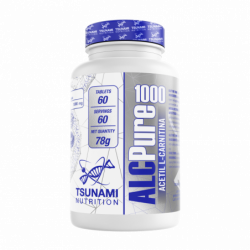
Acetyl-L-carnitine is a form of carnitine characterised by the presence of an acetyl group. It has been studied mainly in areas related to neurological function and cellular metabolism. Although it is related to L-carnitine, the two forms should not automatically be considered equivalent for every goal or method of use.
The presence of the acetyl group affects certain characteristics of the molecule and how it behaves in the body. Acetyl-L-carnitine has been the subject of specific studies, but the evidence varies according to the condition being considered and does not justify attributing certain benefits to everyone who takes it.
Anyone with seizure disorders or chronic conditions, or anyone taking medication, should consult a doctor before use. It should not be regarded as a stand-alone solution for cognitive or neurological problems or persistent fatigue.
Types and Prices of Supplements
Carnitine supplements are available in different formulations, which may vary in chemical form, concentration, format and the presence of other ingredients. The choice should be based on the goal for which supplementation is being considered, bearing in mind that the commercial format alone does not determine a product's effectiveness.
The most common types include:
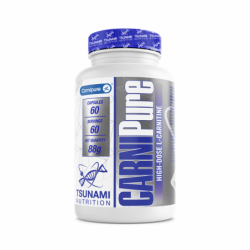
- L-carnitine: the best-known form, used in products intended for various nutritional goals;
- Acetyl-L-carnitine: a variant studied mainly in relation to certain aspects of cellular metabolism and neurological function;
- Liquid formulations: may be convenient for people who prefer a drinkable product, but it is important to check the amount per serving and the other ingredients;
- Capsules and tablets: make it possible to take a defined amount of product according to the label instructions;
- Powders: allow you to prepare a serving to dissolve, following the manufacturer's directions;
- Combination formulas: may contain carnitine alongside other substances; in these cases, the full composition should be assessed rather than focusing on just one ingredient.
The price of supplements may vary according to product quantity, concentration per serving, formulation, number of servings and the use of specific raw materials. To compare options accurately, it is useful to consider not only the pack price but also the actual amount of carnitine per serving and the cost per serving.
Some formulations use branded raw materials. Among them, Carnipure is a brand associated with L-carnitine-based raw materials. The presence of a raw-material brand can help identify the ingredient used, but it does not in itself prove that a supplement is more effective for weight loss or performance.
Frequently Asked Questions
Is L-carnitine Bad for the Heart?
It is not correct to claim that L-carnitine necessarily harms the heart, but neither can it be considered useful or safe for everyone in every circumstance. Carnitine performs physiological functions in the body and has also been studied in cardiovascular contexts, with results that depend on the clinical setting.
People with heart disease, cardiovascular risk factors or those taking medication should consult a doctor before using carnitine supplements. The assessment should take medical history, product composition and potential interactions into account, rather than drawing general conclusions based solely on the ingredient's name.
Does Taking L-carnitine Cause Bloating?
L-carnitine is not known to cause water retention or bloating, but some people may experience gastrointestinal symptoms while taking it. Reported side effects include abdominal cramps, nausea and diarrhoea, particularly at high amounts.
Bloating can be caused by many factors, including diet, digestion, individual tolerance and other ingredients in the supplement. If the product also contains sweeteners or other substances, it is worth assessing the entire formulation rather than automatically attributing the symptom to carnitine.
If bloating occurs after starting supplementation, it is advisable to temporarily stop using the product and seek advice from a healthcare professional, especially if the symptom persists, worsens or is accompanied by other problems. Do not increase the dose in an attempt to achieve faster results.
How Long Does L-carnitine Take to Work?
There is no set time within which L-carnitine must produce a noticeable effect. The response depends on the goal, individual circumstances, the amount taken and the duration of use. Furthermore, supplementation is not guaranteed to produce noticeable benefits for weight loss or sports performance.
When assessing a weight-management or performance-improvement plan, it is more useful to consider overall results over time, taking diet, training, recovery and consistency into account. If there is no specific indication for supplementation, increasing the dose or taking it for longer does not guarantee better results.
What Are the Contraindications of Carnidyn Plus?
Carnidyn Plus is a supplement with a formula containing multiple ingredients, including acetyl-L-carnitine tartrate, vitamins, minerals, creatine and other compounds. The precautions to consider therefore depend on the product as a whole, not just on carnitine.
According to the manufacturer's information, Carnidyn Plus is intended for adults and must not be used during pregnancy. The manufacturer also recommends not exceeding the stated daily dose and reminds users that supplements are not a substitute for a varied, balanced diet and a healthy lifestyle. Instructions may differ according to the product version, such as sachets or chewable tablets, so it is important to consult the leaflet for the specific pack purchased.
L-carnitine is a substance involved in transporting fatty acids into the mitochondria and plays an important role in energy metabolism. For this reason, it is studied and used in various areas, from sports nutrition to weight management. However, supplementation does not automatically guarantee greater fat burning, significant weight loss or improved performance.