- Health and wellness
- 2 views

- How much vitamin B12 to take per day
- Maximum daily dose of vitamin B12
- Blood vitamin B12 levels
- Food sources and supplements
- Frequently asked questions
How much vitamin B12 to take per day
The amount of vitamin B12 to take each day depends mainly on age and individual circumstances. This water-soluble vitamin is essential for several physiological functions and must be regularly obtained through food or, when necessary, supplementation.
Nutritional requirements do not necessarily correspond to the amount contained in a tablet: supplements can provide much higher doses, partly because cobalamin absorption decreases as the amount taken in a single dose increases.
Daily requirements for adults
According to the reference values established by the European Food Safety Authority (EFSA), the adequate intake of vitamin B12 for adults is 4 micrograms (µg) per day. This value increases to 4.5 µg during pregnancy and 5 µg during breastfeeding.
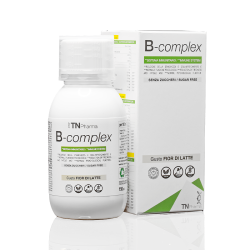
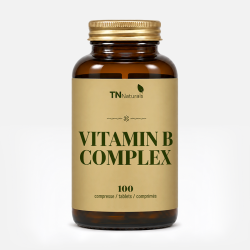
These amounts are nutritional reference values for healthy populations and should not be confused with the doses used to correct a deficiency or address absorption problems. To gain a more complete understanding of the role of cobalamin and other water-soluble micronutrients involved in cellular metabolism, you can also consider B-vitamin supplements.
Daily requirements can be met through a varied diet that includes animal-derived food sources.
Groups at risk include:
- People following a vegan diet: vitamin B12 is not naturally present in unfortified plant foods, so specific supplementation may be necessary;
- Older adults: the ability to absorb vitamin B12 bound to food proteins may decrease with age;
- People with gastrointestinal disorders: certain intestinal conditions and disorders affecting the production of intrinsic factor can interfere with cobalamin absorption;
- People taking certain medications: long-term use of medicines such as metformin and some drugs that reduce stomach acid may affect vitamin B12 status;
- People who have undergone gastrointestinal surgery: certain stomach or intestinal procedures can reduce the body's ability to absorb this vitamin.
The dose and duration of supplementation depend on the cause of any deficiency and cannot be determined solely on the basis of the daily requirement for a healthy adult.
Maximum daily dose of vitamin B12
When discussing the maximum daily dose of vitamin B12, it is important to distinguish between nutritional requirements and the amounts used in supplements. Available formulations may contain tens, hundreds or thousands of micrograms, but this does not mean that all these amounts are necessary for people without a deficiency.
Unlike some other vitamins, no tolerable upper intake level has been established for cobalamin. This is mainly due to the low potential for toxicity observed in the available evidence, even at high doses.
Safety limits and effects of excessive intake
There is no official maximum daily dose of vitamin B12 established by the main scientific authorities because there is insufficient evidence to identify a threshold above which intake causes adverse effects in the general population. High-dose supplements should be used according to individual needs, especially when they are intended to correct a diagnosed deficiency or compensate for reduced absorption.
Vitamin B12 is water-soluble, but it is also stored in the body, mainly in the liver. The amount absorbed depends on several mechanisms: at nutritional doses, some of the vitamin is absorbed with the help of intrinsic factor, while at very high doses a smaller proportion is also absorbed through passive diffusion.
The absence of an upper limit should not be interpreted as a recommendation to take any dose without restrictions. Before using high-concentration supplements, it is advisable to consider:
- the reason for wanting to supplement with vitamin B12;
- whether a deficiency has been confirmed through testing;
- the individual's ability to absorb cobalamin;
- the amount of vitamin B12 already present in other supplements or fortified products;
- any medications currently being taken.
In the presence of a deficiency, a doctor may recommend doses higher than the nutritional requirement to restore adequate levels. These amounts should not automatically be considered excessive or dangerous, but must be assessed according to the clinical situation and the treatment required.
Blood vitamin B12 levels
Measuring vitamin B12 levels in the blood is one of the tools used to assess nutritional status and identify a possible deficiency. The test generally measures the total concentration of cobalamin in serum or plasma, but the result must be interpreted in light of the clinical picture and other available parameters.
An isolated result is not always sufficient to establish whether vitamin B12 is present in adequate amounts or whether it is actually being used by the cells. If results are unclear, a doctor may request further tests, such as methylmalonic acid or homocysteine measurements.
High levels and when to be concerned
There is no single reference range that applies to all laboratories. Vitamin B12 levels considered normal may vary depending on the testing method and the reference ranges shown on the report. In general, concentrations below approximately 200-250 pg/ml may suggest a possible deficiency, which should be investigated according to individual circumstances. A result above the reference range is instead described as high vitamin B12 or hypercobalaminemia.
Conditions that may be associated with elevated cobalamin levels include:
- Liver abnormalities: certain liver conditions can cause an increase in circulating vitamin B12;
- Kidney problems: reduced kidney function can affect the elimination of proteins that transport cobalamin in the blood;
- Certain blood disorders: some abnormalities affecting blood cells may be associated with elevated vitamin B12 concentrations;
- Other medical conditions: in some cases, increased levels may be linked to inflammatory processes or other changes that require medical assessment.
A high value is not a diagnosis and cannot, on its own, identify a medical condition. It is important to consider any supplement use, the presence of symptoms, medical history and other blood test results.
A vitamin B12 level of 800 pg/ml may be normal, depending on the reference ranges used by the laboratory. In many cases, it is still within the range reported on test results, but this cannot be determined without checking the upper limit indicated by the laboratory.
Food sources and supplements
Vitamin B12 is naturally found mainly in animal-derived foods. A diet that includes meat, fish, eggs and dairy products can help meet daily requirements, while people following a vegan diet need to pay particular attention to fortified foods and possible supplementation.
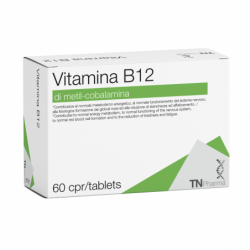
Cobalamin is also available in various dedicated products, including tablets, chewable supplements, sublingual formulations and other preparations. The choice depends on the dose, individual needs and absorption capacity.
Foods rich in vitamin B12 and the role of eggs
Among the foods richest in vitamin B12 are shellfish, organ meats, fish and meat. Milk, cheese and eggs also contribute to daily intake, although cobalamin content can vary considerably between different food categories.
The main dietary sources of vitamin B12 include:
- Liver and organ meats: these are among the most concentrated sources of cobalamin;
- Shellfish and seafood: clams and oysters can provide high amounts of vitamin B12;
- Fish: salmon, tuna and other varieties make a significant contribution to dietary intake;
- Meat: beef, chicken and turkey contain varying amounts of cobalamin;
- Milk and dairy products: milk, yoghurt and cheese are useful sources, particularly when consumed regularly;
- Eggs: they contain vitamin B12, which is concentrated mainly in the yolk.
Eggs are an interesting food because they provide high-quality protein and several micronutrients. Vitamin B12 is found mainly in the yolk, while the egg white contributes primarily to protein intake.
People following a vegan diet should therefore ensure they obtain adequate amounts of vitamin B12 from fortified products or through a specific supplement. Some vegetarians may also have difficulty meeting their requirements, particularly if they consume few dairy products and eggs.
Tablets and forms of supplementation
Vitamin B12 supplements are available in different formulations and concentrations. The most common include tablets to swallow, chewable tablets and sublingual formulations that dissolve under the tongue. Liquid preparations are also available, as well as injectable formulations prescribed by a doctor for specific clinical conditions.
Different forms of cobalamin can be found in supplements:
- Cyanocobalamin: a stable form widely used in food supplements;
- Methylcobalamin: one of the biologically active forms of vitamin B12, involved in specific metabolic reactions;
- Hydroxocobalamin: a form also used in certain medicinal preparations, particularly for injection;
- Adenosylcobalamin: another active form of the vitamin, involved in the metabolism of certain compounds within cells.
Available evidence does not demonstrate that one form of vitamin B12 is always superior to the others for everyone. The choice between tablets to swallow and sublingual formulations should take individual needs into account: studies have not shown general superiority of sublingual administration over oral administration.
The amount of vitamin B12 contained in supplements can be much higher than the daily requirement. This is partly because the percentage absorbed decreases when high doses are taken in a single administration. Therefore, a product containing 500 or 1000 µg does not mean that the body absorbs the entire amount.
In the case of a vegan diet, a diagnosed deficiency or reduced gastrointestinal absorption, specific preparations and doses tailored to the individual's circumstances may be necessary.
Frequently asked questions about vitamin B12
What time of day is best to take vitamin B12?
There is no proven best time of day to take vitamin B12. Supplements can generally be taken in the morning, at lunchtime or at another time, following the instructions on the label or the advice of a healthcare professional.
Taking the supplement regularly is more important than the exact time. If vitamin B12 is being used to correct a deficiency, it is essential to follow the dose and frequency indicated by the doctor without changing the treatment independently.
What does a blood vitamin B12 level of 800 pg/ml indicate?
A vitamin B12 level of 800 pg/ml does not necessarily indicate an excess. It may fall within the reference range of some laboratories, while in others it may be close to or slightly above the upper limit.
To interpret the result correctly, it is necessary to check the reference range on the report and consider any supplement use or recent treatments. If the value is above the stated range, remains elevated over time or cannot be explained by supplementation, it is advisable to discuss it with a doctor.
Vitamin B12 is essential for the nervous system, red blood cell formation and normal cellular metabolism. Although no tolerable upper intake level has been established for this vitamin, the use of high-dose supplements should always be assessed according to individual needs. A varied diet, awareness of risk factors and targeted supplementation when necessary can help maintain an adequate intake of cobalamin.