- Health and wellness
- 4 views

The main contraindications of biotin
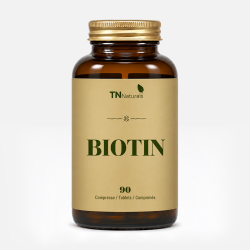
Biotin, also known as vitamin B7 or vitamin H, is a water-soluble vitamin belonging to the B-vitamin group. It is involved in the metabolism of carbohydrates, fats and proteins and contributes to the normal functioning of the body. It is found in various foods, including cooked eggs, nuts, legumes, fish and organ meats.
Biotin supplements are often used to support the health of hair, skin and nails. However, before taking them, it is important to understand the potential contraindications and side effects of biotin, especially when choosing products containing doses well above normal nutritional requirements.
Biotin deficiency is relatively rare in people who follow a varied and balanced diet. In general, biotin is well tolerated, and no upper limit for daily intake has been established for the adult population.
The most common side effects
Biotin is generally well tolerated, and no common toxic effects have been identified in connection with its intake at the amounts normally used. Some people report symptoms such as nausea, abdominal cramps or skin changes, but the available evidence does not allow these symptoms to be reliably attributed to biotin. The appearance of spots and acne is also sometimes reported by people taking high-dose supplements, but there is no strong evidence demonstrating a causal relationship.
The best-documented concern, however, is biotin's interference with certain blood tests. High doses can affect the performance of specific diagnostic tests that use the biotin-streptavidin system, producing falsely high or falsely low results.
Potentially affected tests include:
- Thyroid tests: some tests measuring TSH, T3 and T4 may return unreliable results;
- Hormone tests: certain hormone tests may be affected by high concentrations of biotin in the blood;
- Vitamin D tests: certain methods used to measure vitamin D levels may be influenced by vitamin B7 intake;
- Troponin tests: some tests used to identify possible heart damage may show falsely low values, potentially compromising diagnostic assessment.
For this reason, it is important to inform your doctor and the laboratory if you take supplements containing biotin, particularly before having blood tests. A healthcare professional can advise whether the supplement should be temporarily discontinued and for how long, taking into account the dose being used and the type of test required.
Risks associated with a 5000 mcg dose
A dose of 5000 mcg of biotin is equivalent to 5 mg, an amount far higher than the daily intake normally required by an adult. This concentration is found in some supplements marketed to support hair and nail health.
Biotin is needed in very small amounts, and a varied diet generally helps meet the body's requirements. Taking high doses does not necessarily provide greater benefits, especially in the absence of a confirmed deficiency.
Available research has not demonstrated direct toxicity from biotin at 5000 mcg, and no tolerable upper intake level has been established for this vitamin. However, taking high amounts may increase the risk of interference with diagnostic tests, even when no obvious symptoms occur.
Another aspect to consider is that some hair supplements contain several ingredients in addition to biotin. Safety should therefore be assessed by considering the entire formulation, the amount of each ingredient and whether other products are being taken at the same time. Before choosing a supplement, it is useful to check the vitamin B7 concentration carefully and compare it with your individual needs.
Biotin contraindications for hair
Biotin is often taken to support hair health, because it is involved in the metabolism of certain nutrients that contribute to the production of keratin, a structural protein that makes up much of the hair shaft. A deficiency can indeed cause hair thinning and hair loss, but this is a relatively rare condition.
In the absence of a deficiency, there is no evidence that taking additional vitamin B7 promotes hair growth or counteracts hair loss. The available scientific evidence is limited and does not support the routine use of biotin to treat hair loss in healthy people.
When using hair supplements, it is also important to consider the presence of other micronutrients. Zinc and selenium, for example, are involved in various physiological functions and contribute to the maintenance of normal hair. However, excessive intake can cause unwanted effects and, in some cases, may actually compromise hair health.
Side effects when combined with zinc and selenium
Biotin may be combined with zinc and selenium in formulations designed to support hair and nail health.
These micronutrients have different but complementary functions:
- Zinc contributes to normal protein synthesis and the maintenance of normal hair;
- Selenium contributes to the protection of cells from oxidative stress and to the maintenance of normal hair.
Potential problems may arise when several supplements are taken at the same time without considering the total amount of each mineral consumed.
Excess zinc, particularly when taken over extended periods, may cause nausea, vomiting, abdominal cramps, headaches and loss of appetite. Long-term intake of high doses may also interfere with copper absorption, potentially leading to copper deficiency and impaired immune function. Selenium can also become harmful when consumed in excessive amounts.
Prolonged exposure to high doses can cause a condition called selenosis, characterised by symptoms such as:
- Hair loss: hair loss is one of the most characteristic signs of chronic selenium excess;
- Nail changes: brittle or deformed nails may develop and, in more serious cases, nails may be lost;
- Gastrointestinal problems: nausea, diarrhoea and other digestive issues may occur;
- Changes in taste and breath: a metallic taste in the mouth and a characteristic garlic-like smell on the breath may develop;
- Neurological symptoms: significant exposure may cause irritability and nervous system disturbances.
For adults, the maximum daily zinc intake established by the US National Institutes of Health is 40 mg, while the EFSA has set a tolerable upper intake level of 255 mcg per day for selenium. These values include intake from both food and supplements and should not be considered target amounts.
Frequently asked questions about biotin
Who should not take biotin supplements?
People who are due to have blood tests should take particular care when considering biotin supplements, because this vitamin can interfere with certain diagnostic tests and affect their results.
It is also advisable to seek medical advice before taking biotin during pregnancy or breastfeeding, in the presence of pre-existing medical conditions or when taking medication. People who already use multivitamins or hair supplements should also check their total daily biotin intake.
Does regular biotin intake cause weight gain?
Biotin does not cause weight gain, because it is a vitamin and provides no significant calories. It is involved in the metabolism of carbohydrates, fats and proteins, but this role does not mean that it directly promotes weight loss or causes an increase in body weight.
Any weight change during a period of supplementation cannot automatically be attributed to vitamin B7. Body weight is influenced by several factors, including diet, physical activity, metabolism and individual circumstances.
Can biotin stimulate facial hair growth?
There is insufficient scientific evidence that biotin stimulates facial hair growth or causes an increase in body hair. This vitamin is involved in cellular metabolism and contributes to the maintenance of normal tissues, but it is not considered a hormone or an active ingredient with proven androgenic effects.
Hair growth is mainly influenced by genetic, hormonal and individual factors. If you notice a sudden or significant increase in facial hair, it is advisable to discuss it with a doctor to identify any possible causes rather than automatically attributing the change to biotin intake.
How long is it safe to take biotin for hair?
There is no single recommended duration of biotin supplementation that applies to everyone. The period of use depends on the dose, formulation, individual needs and whether a deficiency is present.
It is important to remember that taking biotin for several months does not guarantee an improvement in hair growth, especially when there is no deficiency. If hair loss persists, it is preferable to identify its cause through a medical assessment rather than extending supplementation on your own.
Biotin is an essential vitamin that plays an important role in energy metabolism and the maintenance of normal hair. Before starting supplementation, it is therefore advisable to assess your needs, check the composition of the products you use and seek advice from a healthcare professional when necessary.