- Health and wellness
- 747 views
Tribulus terrestris, a plant with a controversial reputation
Few plants carry as many promises as Tribulus terrestris. On product labels and in online forums, it has been touted for the past twenty years as a natural testosterone booster, a shortcut to muscle mass, and sometimes even as an alternative to far more problematic substances.
This reputation deserves serious scrutiny, because the gap between what it is claimed to do and what the data actually show is one of the widest in the world of supplements. This does not mean that the plant has no benefits; simply that its actual benefits are not the ones that are usually highlighted.
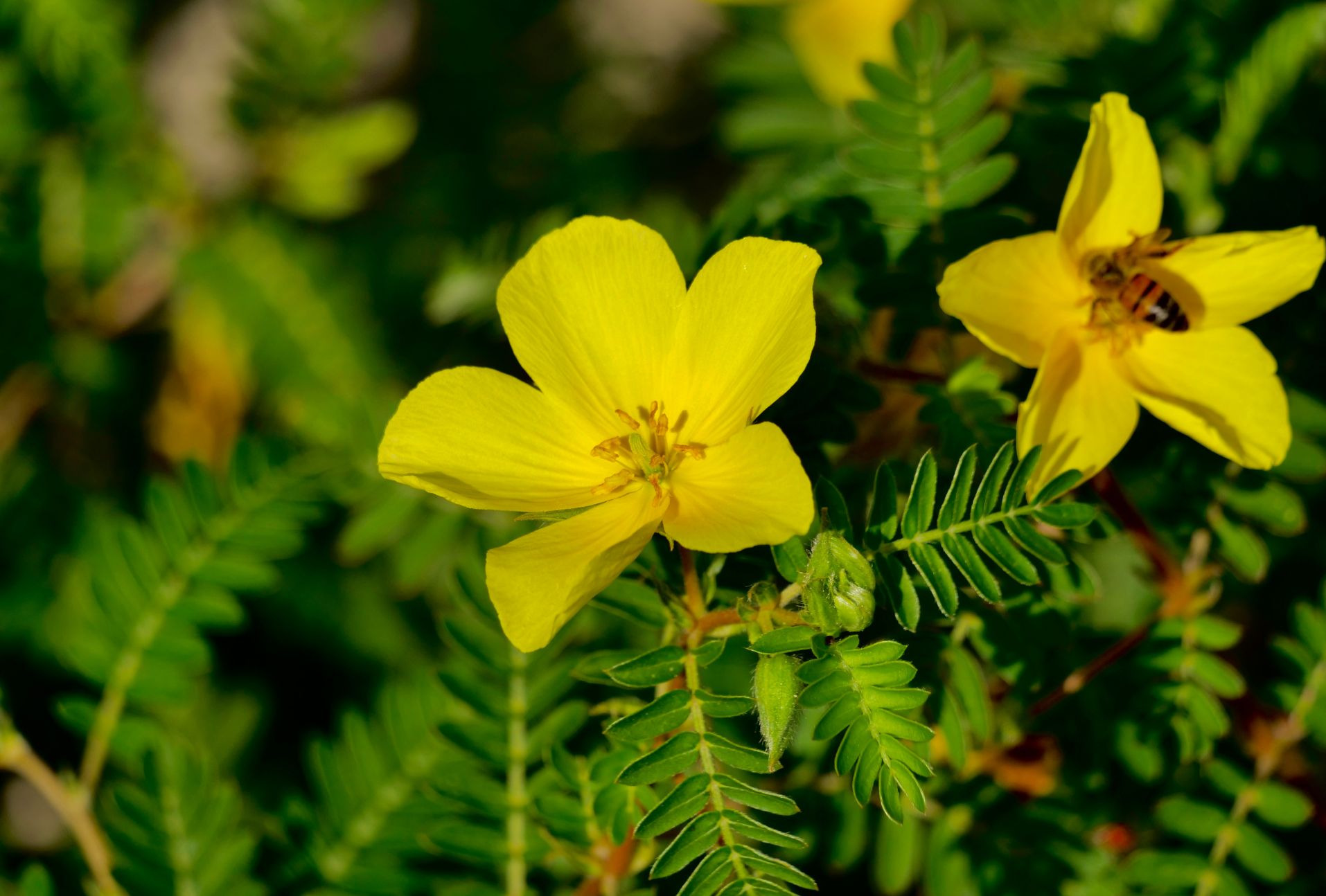
Tribulus terrestris is a herbaceous plant that grows in hot, dry regions, from the Mediterranean basin to India via China. Its spiny fruits have earned it the common name ‘Maltese cross’. It has long been used in Ayurvedic medicine and traditional Chinese medicine, where its historical uses relate to general vitality and the urinary system, not muscle building.
Steroidal saponins: the active component
The compounds of interest to formulators are the steroidal saponins, primarily protodioscin. Their name is, in fact, misleading: ‘steroidal’ here describes a chemical structure, not an anabolic-type hormonal activity.
This is a point that must be understood before anything else. A molecule with a steroid-like structure is not an anabolic steroid, and structural similarity says nothing about biological effect.
The saponin content varies greatly depending on geographical origin, the part of the plant used and the extraction method. High-quality extracts are standardised (generally containing around 40–45 per cent saponins) and this information on the label is the first thing to check. Without standardisation, two products claiming the same quantity of Tribulus may have active ingredient levels differing by a factor of ten. The available formulations are grouped under the category of tribulus terrestris-based supplements.
Testosterone: what the data actually show
Let’s get straight to the point that drives the majority of purchases.
In healthy adult men, the available research does not show a significant increase in testosterone following tribulus terrestris supplementation. This finding is confirmed by several reviews of existing studies, including those involving trained athletes monitored over several weeks.
So where does the opposite reputation come from? From three sources that are worth distinguishing:
- Animal studies, particularly in rats and primates, where hormonal effects have been observed, but at doses and under conditions that cannot be extrapolated to humans.
- Studies in men with a hormonal deficiency (hypogonadism, infertility), where the results are less clear-cut. This is not the same population as a healthy athlete.
- Highly effective marketing, developed in the 1990s around preliminary results that have never been confirmed on a large scale.
A direct consequence: if your goal is to gain muscle mass, tribulus is not the key factor. Protein intake, a calorie deficit or surplus depending on the phase, and progressive increases in training loads are infinitely more important. Our article on essential supplements for natural bodybuilders places each product category within this hierarchy.
It is also worth noting thatno health claims are recognised in the European Union for Tribulus terrestris, whether relating to testosterone, muscle mass or performance.
Where the data is more interesting: sexual function
Herein lies the paradox of this plant. The area where the results are least disappointing is not the one highlighted on packaging aimed at athletes.
Several studies on libido and sexual function, in both men and women, report beneficial effects and, notably, without any measurable increase in testosterone. In other words, if there is any effect at all, it would act via mechanisms other than hormonal stimulation: by acting on receptors, on circulation, or on the psychological component.
The results remain mixed and the study protocols vary. However, it is in this area that tribulus is most consistent with its traditional use – a use which, historically, has never been associated with bodybuilding.
Dosage and duration of use
The protocols studied generally range from 250 to 1,500 mg per day of standardised extract, often divided into two or three doses taken with meals.
Three practical pointers:
- The key figure is the amount of saponins, not the amount of extract. A 500 mg product standardised to 45 per cent provides more than a 1,000 mg non-standardised product.
- Think in terms of weeks. Treatment courses generally last between 4 and 12 weeks. Taking it for just a few days is pointless.
- Spaced-out courses of treatment are standard practice, with breaks between periods of use. There is a lack of data on very long-term continuous use.
Safety: the most important point in this article
Tribulus is often presented as harmless simply because it is natural. This assumption is incorrect, and there are several important points to be aware of before taking it.
The most common side effects are digestive: abdominal cramps, nausea and diarrhoea, particularly on an empty stomach. These symptoms generally subside when the supplement is taken with meals.
More seriously, cases of liver and kidney damage have been reported, mainly following high-dose or prolonged use. Whilst these cases remain rare and are often linked to poorly characterised products, they are sufficient to rule out the notion that it is entirely safe.
Situations in which tribulus is not recommended:
- pregnancy and breastfeeding; effects on the uterus have been described in animal models; this is a strict contraindication
- hormone-dependent conditions, particularly those affecting the prostate or breasts
- diabetes and hypoglycaemic treatments; tribulus may affect blood glucose levels, necessitating monitoring
- knownliver or kidney disease
- treatment with lithium, due to a possible diuretic effect
- in minors, where there is no data to support its use
One final point that directly concerns competitive athletes: products containing tribulus are the subject of recurring reports of contamination by undeclared substances. If you are subject to anti-doping tests, insist on certification of testing by an independent laboratory.
Frequently asked questions
Does Tribulus terrestris really increase testosterone levels?
In healthy adult men, the available data do not show a significant increase. This is the consensus drawn from several analyses summarising existing studies.
Positive results stem mainly from animal studies – which cannot be extrapolated to humans – or from populations with a pre-existing hormonal deficiency. For a healthy athlete looking to improve their training performance, it is not the appropriate supplement.
How long should tribulus be taken for?
The protocols studied last between 4 and 12 weeks, with doses taken throughout the day and with meals. Intermittent courses, interspersed with breaks, are the most common practice.
There is no solid data on prolonged continuous use, and given the reported liver-related issues, continuous use without a break is not recommended.
Is tribulus a steroid?
No. The confusion stems from the term ‘steroidal saponins’, which describes a chemical structure rather than hormonal activity.
Tribulus is neither an anabolic steroid, nor a hormonal precursor, nor an androgen receptor modulator. It does not fall into any of these categories and does not produce their effects, nor the desired benefits, nor the associated risks.
Can tribulus be combined with other supplements?
Tribulus is frequently combined with fenugreek, zinc or other herbs in hormonal support formulations, which can be found in the ‘testosterone and hormonal support’ category.
Two precautions are essential with these combination formulas: ensure that each ingredient is dosed at a meaningful level rather than being present in token quantities, and do not take several products containing the same herbs without adding up the total dosage.
The verdict on this herb can be summed up in a single sentence, and it deserves to be stated plainly: Tribulus terrestris has been sold for twenty years for an effect it does not produce, and its real benefit (if any) lies elsewhere. It is a textbook example of the disconnect between marketing claims and the scientific evidence. Knowing this does not render the plant useless; it simply means we should no longer expect it to deliver what it has never been shown to do.