- Health and wellness
- 712 views
How to cleanse the liver and kidneys naturally
The liver and kidneys work every day. They filter the substances we consume through food and drink, process those that are potentially harmful, and help the body eliminate metabolic waste. An unbalanced diet, alcohol and certain unhealthy habits can increase their workload and leave you feeling sluggish, tired or bloated.
Contrary to what one might think, cleansing the liver and kidneys does not mean living on nothing but water and herbal teas for a few days. On the contrary, it involves creating conditions that are more conducive to their normal functioning, starting with diet, hydration and a healthy lifestyle. Medicinal plants and dietary supplements can also provide support, provided they are chosen wisely. In the liver and kidney wellbeing section, you’ll find a selection of Tsunami Nutrition products designed specifically for this purpose.
Herbal teas and medicinal plants
Medicinal plants are mainly used to support liver function, digestion and the elimination of fluids. It should be noted that they are not a substitute for a healthy diet, but can provide practical support as part of a balanced routine.
Dandelion, for example, is one of the most versatile choices. It is used to support digestive function, fluid drainage and healthy urinary tract function.
Herbal tea is the simplest option, whilst standardised extracts allow for the consumption of more precise and concentrated amounts of active ingredients. Dandelion-based products may therefore be the ideal choice for those seeking a more convenient option than traditional herbal tea. Other plants used include artichoke for liver function, birch for fluid drainage and horsetail for fluid balance.
The benefits of water and bicarbonate of soda
Water remains the primary factor in supporting normal kidney function. If you drink too little, your urine becomes more concentrated and the body struggles more to eliminate waste products. For most adults, 2 to 2.5 litres of water a day is a good starting point, to be increased in the event of intense physical activity, heavy sweating or high temperatures. However, individual needs always vary from person to person.
Sodium bicarbonate is often touted as a remedy for cleansing the kidneys, but it is not a detox solution and should not be taken indiscriminately. It can temporarily alter the pH of urine, but inappropriate use increases sodium intake and can cause problems, particularly in cases of high blood pressure, kidney problems or when taking medication. It is therefore best not to make it a daily habit and to seek medical advice before using it regularly.
Diet to cleanse the liver and kidneys
There is no detox diet capable of cleansing the body in a matter of days. What you can do, however, is ease the burden on your liver and kidneys by choosing simple foods, drinking enough fluids and cutting down on the things that put the most strain on them. In practical terms: less alcohol, very salty foods and ultra-processed products, and more room for vegetables, fruit, whole grains and high-quality sources of protein.
Recommended foods for the liver and kidneys
A varied diet rich in fresh foods is the first step towards supporting the normal functioning of the liver and kidneys. Rather than relying on a single ‘superfood’, the key is to include foods rich in fibre, vitamins, minerals and antioxidants in your daily diet.
Among the foods most recommended for the liver are:
- Green leafy vegetables, rich in vitamins and antioxidants
- Broccoli and other cruciferous vegetables, which are beneficial as part of a balanced diet
- Garlic and onions, which are naturally rich in sulphur compounds
- Beetroot, a natural source of betaine
- Avocados, which provide unsaturated fats and numerous micronutrients
- Nuts, eaten in reasonable quantities, for their content of healthy fats and minerals
To support normal kidney function, however, it is advisable to:
- Stay properly hydrated throughout the day
- Choose foods rich in water, such as cucumber, watermelon, celery and fennel
- Regularly include blueberries and parsley as part of a varied diet
- Limit your intake of salt and foods high in sodium
- Cut down on processed foods, cured meats, very mature cheeses, alcohol, excessive coffee and added sugars
It is not any single food that makes the difference, but the quality of your diet as a whole and the consistency with which these habits are maintained.
Three-day detox menu
To eat more lightly, there’s no need for fasting or extreme restrictions. You can plan three days based on simple foods, vegetables, lean protein sources and plenty of fluids. Here’s a practical example:
- Day 1 – Breakfast: oat porridge with blueberries and a glass of water. Lunch: spelt salad with chickpeas, rocket, carrots and extra virgin olive oil. Dinner: steamed cod with courgettes and parsley. Between meals: fresh fruit or a dandelion herbal tea
- Day 2 – Breakfast: plain yoghurt with apple, ginger and a handful of almonds. Lunch: cream of celeriac soup with rye bread. Dinner: grilled chicken breast with a fennel and orange salad. Between meals: water flavoured with cucumber and mint, or artichoke herbal tea
- Day 3 – Breakfast: plain yoghurt with red berries and chia seeds. Lunch: quinoa with cooked beetroot and avocado. Dinner: scrambled eggs with spinach and garlic. Between meals: fruit, dandelion herbal tea and water throughout the day. During these three days, it is best to avoid alcohol, fried foods, processed meats, very mature cheeses, added sugars and excessive coffee.
Cleansing the bowel and bladder
The liver, kidneys and gut work in coordination. Good bowel function helps the body eliminate waste properly and contributes to general well-being. To support this, focus on fibre, fruit, vegetables, whole grains and fermented foods, gradually increasing the amounts if you are not used to eating them.
The bladder also benefits from good hydration and regular urination. Drinking enough fluids and limiting drinks that may irritate it, such as alcohol and excessive coffee, are the first steps to take. Tsunami Nutrition’s range of drainage supplements features formulations designed for those seeking support with fluid drainage, to be used in conjunction with a balanced diet and an active lifestyle.
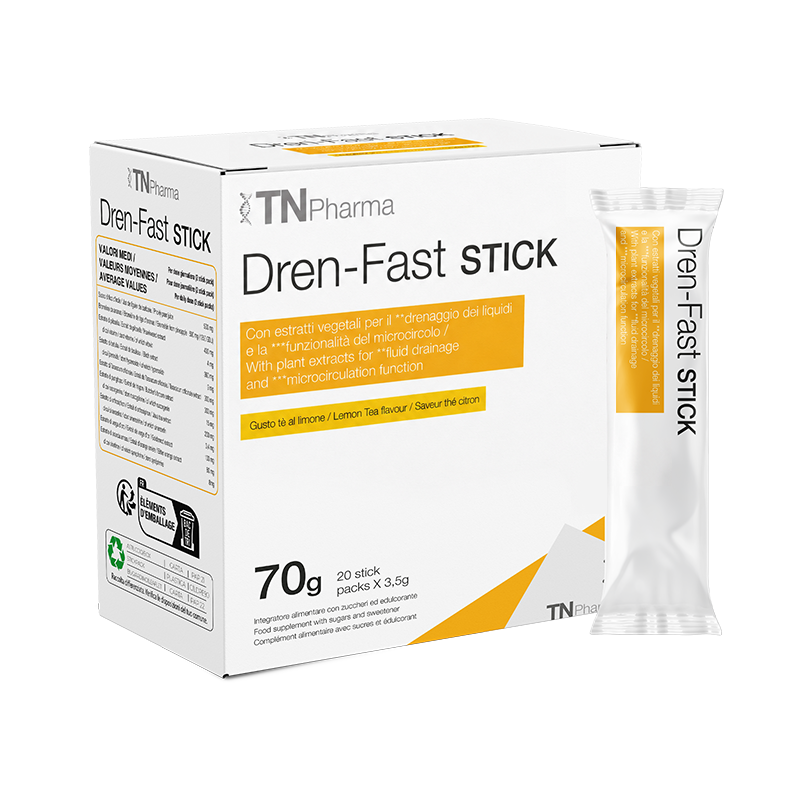
For those seeking more targeted support with fluid drainage, a practical solution is Tsunami Nutrition’s Dren-Fast Pro Stick.
The formula combines plant extracts such as dandelion, birch, hawkweed, orthosiphon and goldenrod – traditionally used to promote the drainage of bodily fluids – as well as butcher’s broom, which supports healthy microcirculation.
Bromelain and prickly pear round off the formulation – two ingredients chosen to provide comprehensive support against bloating and water retention. The handy single-dose sachet format makes it easy to take, even when on the move, making it a suitable solution for anyone looking for daily support to feel lighter.
Supplements and products to support liver and kidney health
Dietary supplements are no substitute for a balanced diet, rest or hydration, but they can complement a targeted routine. The best choice is not necessarily the formula containing the greatest number of ingredients. What matters more is understanding which substances it contains, in what quantities, and for what purpose they have been included. If you have any doubts about the safety of taking supplements, we recommend reading our feature on the subject: are dietary supplements bad for the liver?
Herbal remedies and detox solutions
Milk thistle is one of the best-known ingredients for supporting liver function. Its main active compound is silymarin, which has been studied primarily for its antioxidant properties. The weakness of traditional formulations is their bioavailability – that is, the amount that the body actually manages to absorb and utilise. Milk thistle in Siliphos form combines silymarin with phosphatidylcholine to improve absorption. It is a worthwhile option if you are looking for a more advanced formulation than the standard extract.
Other substances used for antioxidant support include glutathione, N-acetylcysteine (NAC), which aids in its production, and curcumin. Before combining them, however, it is important to assess the objective, the dosages and any possible interactions. Simply piling on products does not automatically make a regimen better: a simple, well-chosen formulation is often the most sensible solution.
Frequently asked questions
What is the best detoxifying agent for the liver and kidneys?
There is no single ideal detoxifier for the liver and kidneys. The choice depends on what you are looking for: milk thistle and glutathione are mainly used for antioxidant support and to support liver function, whilst dandelion and birch are more closely associated with fluid drainage. The guide to the best glutathione supplement explains the different forms available and what to look out for before choosing a product.
How can you cleanse the gut, liver and kidneys?
To support the gut, liver and kidneys, it’s best to focus on basic lifestyle habits: fibre and fermented foods to aid bowel movements, a varied diet to provide antioxidants and micronutrients, plenty of water, and less alcohol and ultra-processed foods. Those who take protein supplements can explore the topic further in the article on ‘Is collagen bad for the liver?’, which analyses the real risks and debunks unfounded myths.
How can you cleanse your liver after drinking alcohol?
To help the liver recover after a period of alcohol consumption, the first step is to reduce or stop drinking altogether. No dietary supplement can counteract the effects of heavy and frequent drinking. Staying hydrated, eating balanced meals, getting regular sleep and consuming foods rich in fibre and micronutrients can support overall recovery. In cases of chronic alcohol consumption, persistent symptoms or abnormal liver function test results, it is essential to consult a doctor rather than relying on a makeshift detox programme.
What should you eat to cleanse your liver and kidneys?
No specific foods are required to cleanse the liver and kidneys. It is advisable to focus on vegetables, fruit, whole grains, pulses, unsaturated fats and protein sources suited to your needs. Broccoli, leafy green vegetables, beetroot, red berries, cucumber and fennel are excellent options to include in a varied diet. However, you should cut down on alcohol, fried foods, processed meats, very salty snacks, added sugars and ultra-processed foods.
How can you cleanse your kidneys quickly?
There is no quick fix for cleansing the kidneys. You can support their normal function by drinking according to your needs, limiting excess sodium and following a balanced diet. Herbal teas made from dandelion or birch can be part of your routine, but they are no substitute for proper hydration. For those who exercise and use protein supplements, the article on whether collagen is bad for the kidneys clarifies in which cases there are genuine contraindications and when, on the contrary, these are simply myths.