- Health and wellness
- 35 views

- What is vitamin D3?
- What is vitamin D3 used for?
- Benefits by age group and gender
- Main sources of vitamin D3
- Deficiency and supplementation
- Frequently asked questions
What is vitamin D3?
Vitamin D3, also known as cholecalciferol, is a fat-soluble form of vitamin D involved in several physiological processes. Its role is particularly important for calcium and phosphorus metabolism, the maintenance of bones and the normal functioning of the immune system.
Unlike many other vitamins, D3 can be produced directly by the body through the skin following exposure to ultraviolet B (UVB) rays. It can also be obtained through certain foods and supplements. Once produced or consumed, it is first converted in the liver and subsequently in the kidneys, where it becomes available in its biologically active form.
Vitamin D3 is important at every stage of life, although requirements and the risk of deficiency may vary depending on age, sun exposure, diet and individual circumstances. When intake through skin synthesis and food is insufficient, supplementation may need to be considered.
Difference between vitamin D and D3
The term vitamin D refers to a group of fat-soluble compounds, the two best-known forms of which are:
- Vitamin D2 (ergocalciferol): found mainly in certain mushrooms and yeasts, particularly when exposed to ultraviolet light. It can also be used in fortified foods and supplements.
- Vitamin D3 (cholecalciferol): produced by the skin through exposure to UVB rays and found in certain animal-derived foods, such as oily fish, egg yolks and liver. It is one of the forms most commonly used in supplements.
Both contribute to increasing the availability of vitamin D in the body, but they differ in their metabolism and their ability to maintain blood levels. D3 is generally more effective than D2 at increasing and maintaining the concentration of 25-hydroxyvitamin D in the blood, the main marker used to assess vitamin D status.
Vitamin D3 is often described as a prohormone because, after being converted in the body, it contributes to the production of the active form, calcitriol. The latter acts through specific receptors found in various tissues and is involved in regulating numerous biological functions.
What is vitamin D3 used for?
Vitamin D3 contributes to the normal functioning of the body through several mechanisms, particularly those related to mineral absorption and the regulation of certain cellular functions. Its best-known roles include maintaining normal bones and teeth, supporting muscle function and contributing to the normal functioning of the immune system.
Its importance is mainly linked to the body's ability to convert it into an active form, which helps regulate the intestinal absorption of calcium and phosphorus. These minerals are essential for skeletal mineralisation and numerous physiological processes.
It is nevertheless important to distinguish the recognised functions of vitamin D from the effects of supplementation. Taking additional amounts does not necessarily provide further benefits when levels are already adequate. The goal is to maintain a sufficient intake while avoiding both deficiencies and excessive doses.
Calcium absorption and bone health
One of the main functions of vitamin D3 is regulating the intestinal absorption of calcium and phosphorus. After being converted into its active form, it helps regulate the expression of proteins involved in transporting calcium across the intestinal wall, making it more available to the body.
Calcium is an essential mineral for the formation and maintenance of bones and teeth. It also plays a role in muscle contraction, nerve impulse transmission and normal blood clotting processes. Phosphorus, in turn, contributes to skeletal mineralisation and plays a role in numerous cellular processes.
When vitamin D intake or availability is insufficient, intestinal calcium absorption may decrease. Over time, a significant and prolonged deficiency can impair bone mineralisation and contribute to the development of conditions such as rickets in children and osteomalacia in adults.
However, skeletal health depends on several factors. In addition to vitamin D3, adequate calcium intake, a varied diet, physical activity and individual characteristics are all important.
Vitamin D3 also contributes to the maintenance of normal muscle function. This is important because muscles and the skeleton work together to support movement, posture and balance. Adequate vitamin D intake is therefore also relevant to overall musculoskeletal wellbeing.
Support for the immune system
Vitamin D3 also contributes to the normal functioning of the immune system. Its active form interacts with specific receptors found in various immune cells, including T lymphocytes, macrophages and other cells involved in the body's response to external agents.
However, its biological role does not mean that taking vitamin D3 supplements automatically prevents colds, flu or other infections. Correcting a deficiency may be important for the normal functioning of the body, but it does not provide guaranteed protection against infectious diseases.
To support the immune system, it is preferable to consider a combination of habits, including a balanced diet, adequate sleep, physical activity and attention to overall health. In cases of confirmed deficiency, a doctor may assess whether targeted supplementation is necessary.
Benefits by age group and gender
Vitamin D3 is important throughout life, but individual needs may change depending on age, physiological conditions and health status. For example, the skin's ability to produce vitamin D may decrease with ageing, while certain stages of life may require particular attention to the intake of this nutrient.
There are no completely different benefits for men and women: the fundamental functions of vitamin D are the same. However, certain risk factors may differ, such as hormonal changes, body composition, sun exposure habits and physiological conditions.
Its role in adults
In adults, vitamin D3 contributes to the maintenance of normal bones and teeth and to normal muscle function. These functions are important for supporting mobility and musculoskeletal wellbeing during everyday and sporting activities.
Adequate vitamin D intake is particularly relevant when sun exposure is limited, the diet does not include sufficient sources or conditions are present that may reduce nutrient absorption. Certain intestinal, liver or kidney diseases may also interfere with vitamin D metabolism and require specific monitoring.
Vitamin D3 is also involved in the normal functioning of the immune system. However, it should not be considered an immune stimulant capable of indiscriminately boosting defences or preventing infections. Its role is to contribute to the maintenance of normal physiological functions.
For healthy adults, the priority is to maintain an adequate intake through sun exposure compatible with skin protection, diet and, when necessary, supplementation assessed according to individual circumstances. Taking high doses without a genuine need does not guarantee additional benefits and may involve risks.
Importance for women during menopause
During menopause, the reduction in oestrogen levels can accelerate bone loss and increase the risk of osteopenia and osteoporosis. At this stage of life, it is therefore particularly important to pay attention to skeletal health and the factors that contribute to maintaining bone mineral density.
Vitamin D3 plays an important role because it supports intestinal calcium absorption and contributes to the maintenance of normal bones. Adequate vitamin D intake, combined with sufficient calcium, may help support bone metabolism, but it is not, on its own, a complete strategy for preventing or treating osteoporosis.
For women during menopause, it is also useful to consider other aspects:
- Calcium intake: ensure that the diet provides adequate amounts of this mineral;
- Physical activity: where possible, include resistance exercises and weight-bearing activities, adapting them to individual circumstances;
- Varied diet: include sources of protein, vitamins and minerals that help maintain body tissues;
- Health checks: discuss any risk factors and the need for specific tests with a doctor.
The need for vitamin D3 supplementation depends on baseline levels, diet, sun exposure and individual circumstances. In the presence of osteopenia, osteoporosis or other risk factors, a doctor may establish a plan that includes supplements and, when necessary, specific treatments.
Main sources of vitamin D3
Vitamin D3 can be produced by the body through exposure of the skin to UVB rays and obtained, in smaller amounts, through certain foods. Its availability therefore depends on several factors, including season, latitude, time of exposure, skin pigmentation, age and dietary habits.
Not everyone is able to produce sufficient amounts of vitamin D throughout the year. For this reason, it is important to know its main sources and consider any factors that may increase the risk of insufficient intake.
Exposure to sunlight
For many people, the main source of vitamin D3 is skin synthesis, a process that occurs when the skin is exposed to ultraviolet B (UVB) rays. This radiation transforms a molecule found in the skin, 7-dehydrocholesterol, into previtamin D3, which is subsequently converted into cholecalciferol.
The amount produced depends on several factors:
- Season: during the winter months, UVB availability may be reduced, particularly at higher latitudes;
- Time of day: the intensity of UVB radiation varies throughout the day;
- Skin pigmentation: higher amounts of melanin may reduce the rate of skin synthesis;
- Age: the skin's ability to produce vitamin D may decrease with ageing;
- Personal habits: spending a lot of time indoors or habitually covering most of the skin may reduce exposure to UVB rays;
- Sun protection: using protective products and wearing clothing reduces exposure to UV rays, but these measures should not be abandoned in an attempt to increase vitamin D production.
There is no sun exposure time that is suitable for everyone. Synthesis depends on individual characteristics and environmental conditions, while excessive exposure increases the risk of skin damage and skin cancer. It is important not to go unprotected or deliberately extend sun exposure in an attempt to obtain a specific amount of vitamin D.
Foods rich in vitamin D3
There are relatively few foods that naturally contain vitamin D3. Some of the most interesting sources are oily fish and, in smaller amounts, eggs and animal-derived products.
Foods that can contribute to vitamin D3 intake include:
- Oily fish: salmon, mackerel, herring, sardines and other fish rich in fat can provide significant amounts of vitamin D3;
- Cod liver oil: it is a concentrated source of vitamin D, but its content may vary depending on the product and should be assessed while also considering its vitamin A content;
- Egg yolk: contains varying amounts of vitamin D3, also influenced by the hen's diet;
- Liver: may provide vitamin D, although the amount varies according to the animal species and preparation method;
- Fortified foods: some products, such as plant-based drinks, milk or breakfast cereals, may be enriched with vitamin D. The form used may be D2 or D3 and should be checked on the label.
The actual vitamin D content may vary depending on the species, farming conditions, processing and preparation. For this reason, it is not possible to determine the exact intake from a food without referring to a reliable nutritional table or the product information.
A varied diet can contribute to vitamin D intake, but in some situations food alone may not be sufficient to maintain adequate levels. In these cases, it is advisable to assess the situation with a healthcare professional, rather than independently increasing the consumption of individual foods or supplements.
Deficiency and supplementation
Vitamin D deficiency can occur when skin synthesis and dietary intake are insufficient to meet the body's needs, or when conditions are present that reduce its absorption or metabolism.
Factors that may increase the risk of insufficient levels include older age, limited sun exposure, certain intestinal, liver or kidney diseases, obesity and the use of specific medicines. Dietary habits may also contribute, particularly when sources of vitamin D are rarely included in the diet.
Vitamin D status is generally assessed by measuring blood levels of 25-hydroxyvitamin D [25(OH)D], the main indicator of the body's vitamin D stores. The result must be interpreted by considering the unit of measurement, the clinical situation and the reference ranges used by the laboratory.
When to take specific supplements
Vitamin D3 supplements may be considered when intake through skin synthesis and diet is insufficient or when conditions exist that increase the risk of deficiency. The choice should be based on individual needs and, when appropriate, blood test results.
Before starting supplementation, it is useful to consider several aspects:
- Blood levels: measuring 25(OH)D can help the doctor assess vitamin D status and whether intervention is necessary;
- Individual factors: age, sun exposure, diet, body weight and health conditions may influence requirements;
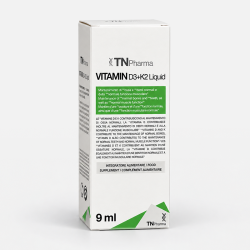
- Product composition: check the amount of vitamin D3 per dose and whether other nutrients, such as vitamin K2, are included;
- Directions for use: follow the instructions on the label and do not increase the dose independently;
- Medicines and medical conditions: seek medical advice if taking medication or if you have kidney disease or other medical conditions.
Vitamin D3 is often combined with vitamin K2, because the two nutrients are involved in different processes related to calcium metabolism. This combination is of interest in supplement formulations, but it is not always necessary to take both nutrients: the choice depends on the product composition, individual needs and the advice of a healthcare professional.
Supplementation should be personalised, particularly when correcting a documented deficiency. Taking high doses without monitoring may cause excessive vitamin D levels, leading to increased blood calcium and possible adverse effects, including nausea, weakness, intense thirst and kidney problems.
Frequently asked questions
What is the best time of day to take vitamin D3?
There is no specific best time to take vitamin D3. Since it is a fat-soluble vitamin, taking it with a meal containing a source of fat may be useful, as this can support its absorption. Regular intake and following the product instructions are more important than the exact time of day.
If vitamin D3 is included in a formulation combined with vitamin K2 or other nutrients, it is advisable to follow the directions for use on the packaging. If you are taking medication or have specific medical conditions, it is advisable to seek guidance from a doctor or pharmacist.
Is a blood vitamin D level of 6 concerning?
A value of 6 may indicate a significant deficiency, but to interpret it correctly, it is essential to know the unit of measurement and confirm that it refers to 25-hydroxyvitamin D [25(OH)D]. A result of 6 ng/mL, for example, corresponds to approximately 15 nmol/L and is generally considered very low. A value of 6 nmol/L would be even lower.
The result should be assessed by a doctor alongside medical history, any symptoms and other relevant tests. It is not advisable to start taking high doses of vitamin D3 independently to correct the result: a healthcare professional can determine the treatment, the amount and duration of supplementation, and whether follow-up tests are needed.
When is taking a 2,000 IU dose of vitamin D3 recommended?
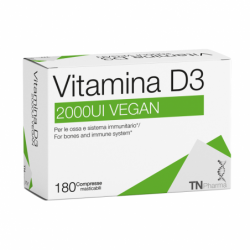
A dose of 2,000 IU of vitamin D3 corresponds to 50 micrograms. It may be considered in certain situations, for example when a doctor believes it is necessary to correct or prevent insufficient intake based on risk factors and test results.
The appropriate amount depends on baseline 25(OH)D levels, age, diet, sun exposure, health conditions and any medicines being taken. It is important to distinguish a dose used as part of a personalised supplementation plan from the reference intake for the general population.
To compare the available formulations, you can consult the category of vitamin D3 and K2 supplements, checking the amount of vitamin D3 per dose and any additional ingredients. Before regularly taking 2,000 IU, particularly over an extended period, it is advisable to seek advice from a doctor or pharmacist.
Vitamin D3 is an important nutrient for calcium absorption, the maintenance of bones and normal muscle and immune function. It can be produced through exposure to UVB rays and obtained from certain foods, but under specific circumstances intake may be insufficient. Supplements may be useful when they address a specific need, but the choice of dose should take into account blood levels, individual characteristics and any medical conditions.