- Health and wellness
- 36 views

- When to take vitamin D3
- Frequency and methods of intake
- Recommended dosages for adults
- How to choose vitamin D
- Contraindications and precautions for use
- Frequently asked questions
When to take vitamin D3
To maintain adequate vitamin D levels in the body, it may be useful to consider supplementing with vitamin D3, especially when sun exposure is limited, the diet does not provide sufficient amounts or certain conditions increase the risk of deficiency. The time of day and regularity of intake can help you follow a supplementation plan correctly, but there is no single schedule that suits everyone.
The choice also depends on the formulation and the instructions on the label or provided by a doctor. It is also important to distinguish between routine maintenance supplementation and the treatment of a confirmed deficiency, which may require different dosages and treatment periods.
The best time of day
There is no single best time of day to take vitamin D3. No significant differences in overall effectiveness have been demonstrated between taking it in the morning, at lunchtime or in the evening. The choice can therefore depend on your habits and on how easily you can maintain a consistent routine.
Some people prefer taking it in the morning or at lunchtime because it is easier to remember. Others choose to take it with dinner, particularly if the supplement is recommended alongside a meal. The most important thing is to follow the indicated frequency and amount, without doubling the dose if you forget to take it.
Taking it with meals
Vitamin D3 is fat-soluble, meaning that it dissolves in fat. For this reason, taking it with a meal containing some fat may promote intestinal absorption. However, there is no need to eat particularly high-fat meals: it may be enough to include it as part of a balanced diet containing foods such as extra virgin olive oil, nuts, eggs or fish.
Vitamin D can also be absorbed without dietary fat, so it is not essential to always take it with a meal. However, if you want to support its absorption, taking it with a main meal can be a practical option. It is also advisable to follow the specific instructions for the product, particularly when using drops or oil-based formulations.
Recommended times of year
Vitamin D is also produced by the skin through exposure to UVB rays. For this reason, levels can vary throughout the year: during the colder months, when people generally spend less time outdoors and UVB intensity is lower, skin synthesis may decrease.
However, there is no time of year when everyone must necessarily start or stop supplementation. The need depends on factors such as age, sun exposure, diet, skin type, health conditions and the presence of any deficiencies. People with risk factors or a medical prescription may need supplementation even during spring and summer.
Conversely, there is no need to automatically take vitamin D during the winter months if overall intake is already adequate and there are no specific indications. The decision should therefore be individualised, rather than based on the season alone when determining the dosage.
Frequency and methods of intake
Vitamin D3 can be taken at different intervals, depending on the amount contained in the product and the purpose of supplementation. Available formulations include tablets, capsules, drops and liquid solutions. The most suitable method depends on personal needs, ease of use and the advice of a healthcare professional.
It is important not to confuse frequency with the total dosage: a weekly or monthly administration may contain a much higher amount of vitamin D than a single daily dose. For this reason, you should not change the prescribed schedule on your own.
Daily dosage or monthly administration
Vitamin D3 can be taken daily or at longer intervals, for example weekly or monthly. Both approaches may be used in specific circumstances, but the choice must take into account the total dose, vitamin D status and medical advice.
For adults who have an indication for supplementation or treatment of a deficiency, more recent clinical recommendations tend to favour lower daily doses over intermittent high-dose administrations, particularly in people over 50. This approach helps avoid occasional intake of very large amounts, which are not necessarily more beneficial.
Weekly or monthly doses may nevertheless be prescribed in certain situations, for example when correcting a deficiency or when a less frequent schedule helps patients adhere to treatment. In these cases, the amount and duration must be determined by a doctor. Dosages used in medicinal treatments should not automatically be applied to over-the-counter supplements.
How to take vitamin D drops
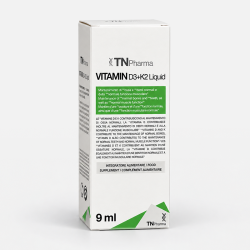
Vitamin D3 drops provide the vitamin in liquid form and may be convenient for people who have difficulty swallowing tablets or capsules. However, the amount of vitamin D contained in each drop is not the same in all supplements: it depends on the concentration of the formulation and the dropper used.
To take a product in drop form correctly, it is useful to follow a few guidelines:
- Check the concentration: verify how many micrograms or international units (IU) of vitamin D are contained in each drop or in the indicated serving;
- Follow the recommended amount: use the number of drops stated on the label or prescribed by a healthcare professional;
- Use the dropper correctly: keep the bottle in the position indicated by the manufacturer to ensure more accurate measurement;
- Follow the storage instructions: protect the product from light, heat and moisture whenever specified on the label.
The drops can be taken directly or, if the product instructions allow, added to food or a drink. It is best to avoid mixing them with very large quantities of food or liquid that might not be consumed completely, as this could make the actual dose taken less precise.
Recommended dosages for adults
The dosage of vitamin D3 should be determined by considering nutritional requirements and any conditions that may increase the risk of deficiency. Not everyone needs a supplement, and a higher dose should not automatically be considered more effective.
When testing is indicated, vitamin D status is generally assessed by measuring the blood concentration of 25-hydroxyvitamin D [25(OH)D]. The result must be interpreted in light of the units of measurement, clinical picture and any risk factors.
The average daily requirement
According to the reference values established by the European Food Safety Authority (EFSA), the adequate intake of vitamin D for adults is 15 micrograms per day (µg), equivalent to 600 IU. This reference assumes minimal skin synthesis and includes vitamin D obtained from food and supplements.
Requirements may vary according to age and individual circumstances. It is important to remember that the adequate intake value does not necessarily correspond to the dose of a supplement to be taken every day: some vitamin D may already come from the diet and skin production.
For adults, EFSA has established a tolerable upper intake level (UL) of 100 µg per day, equivalent to 4,000 IU, taking into account total intake from all sources. This is a safety limit for the general population, not a recommended daily dose. In the presence of a deficiency, a doctor may temporarily prescribe different amounts, with appropriate monitoring.
| Reference | Amount of vitamin D | Meaning |
|---|---|---|
| Adequate intake for adults | 15 µg (600 IU) per day | EFSA nutritional reference |
| Tolerable upper intake level for adults | 100 µg (4,000 IU) per day | Safety limit, not a dose for routine use |
In cases of confirmed deficiency, malabsorption or conditions affecting vitamin D metabolism, treatment may involve different dosages. The amount and duration must be determined by a doctor, avoiding self-medication with highly concentrated products.
Supplementation for women during menopause
During menopause, the decline in oestrogen levels can accelerate bone loss and contribute to an increased risk of osteopenia and osteoporosis. At this stage, it becomes particularly important to pay attention to calcium and vitamin D intake, as both nutrients are involved in maintaining skeletal health.
Vitamin D promotes the absorption and use of calcium and contributes to the maintenance of normal bones and muscle function. An adequate intake may therefore be important for postmenopausal women, especially when risk factors for bone fragility or a confirmed deficiency are present.
However, menopause does not automatically mean that high doses of vitamin D3 are necessary. Supplementation should be assessed by considering diet, sun exposure, blood levels when testing is indicated, bone mineral density and individual fracture risk.
In the presence of osteoporosis or a high risk of fractures, a doctor may recommend an approach that includes vitamin D, adequate calcium intake, physical activity and, when necessary, specific treatments. Supplementation does not replace osteoporosis treatments and is not sufficient on its own to prevent all fractures.
How to choose vitamin D
When choosing a vitamin D supplement, it is useful to assess the vitamin form, concentration per serving, method of intake and overall quality of the formulation. You should not rely solely on the number of international units shown on the packaging: a higher dose is not necessarily more suitable for your needs.
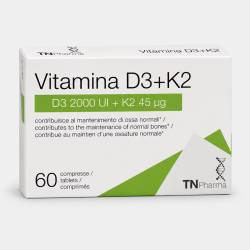
It is also important to check additional ingredients and whether the product contains vitamin D alone or is combined with other nutrients, such as vitamin K2.
The difference between vitamin D2 and D3
The two main forms of vitamin D found in foods and supplements are vitamin D2 (ergocalciferol) and vitamin D3 (cholecalciferol). Both help increase the concentration of 25(OH)D in the blood, the main indicator used to assess vitamin D status.
The two forms have some differences:
- Vitamin D2: is generally obtained through the ultraviolet irradiation of ergosterol, a compound found in yeast and mushrooms;
- Vitamin D3: is naturally produced in the skin through exposure to UVB rays and is also found in some foods of animal origin. In supplements, it can come from different sources.
Both forms are absorbed in the intestine and converted by the body into the forms needed to perform their functions. However, several studies indicate that vitamin D3 tends to increase blood 25(OH)D levels more effectively and maintain them for longer than D2.
This does not mean that vitamin D2 is ineffective: it can still help correct an insufficient intake when used appropriately. The choice between the two forms depends on the formulation, availability and individual needs.
Naturally sourced forms
Vitamin D3 used in supplements can come from different raw materials. One traditional source is lanolin, a waxy substance obtained from sheep's wool, from which the precursor used to produce cholecalciferol is extracted through a manufacturing process.
Vitamin D3 formulations obtained from lichens are also available. This non-animal source makes it possible to produce supplements suitable for people following a vegan diet. It is therefore important not to assume that all D3 supplements are animal-derived or, conversely, that every formulation is automatically plant-based.
People following a vegan diet should check the origin of the raw material and any certifications shown on the packaging. Excipients and other ingredients may also affect whether the product is suitable for their dietary choices.
Natural origin alone does not guarantee greater effectiveness or safety. When choosing a supplement, it is preferable to consider the amount of vitamin D per serving, the transparency of the information provided, manufacturing quality and compatibility with individual needs.
Contraindications and precautions for use
Vitamin D3 is important for the proper functioning of the body, but excessive and prolonged intake can cause unwanted effects. The main risk is hypercalcaemia, meaning an excessive increase in calcium concentration in the blood, which can occur when too much vitamin D is taken, particularly through supplements.
Excess vitamin D can also increase the amount of calcium eliminated in the urine and contribute to hypercalciuria. Possible signs of vitamin D toxicity include:
- nausea and vomiting;
- loss of appetite;
- muscle weakness and fatigue;
- intense thirst and frequent urination;
- dehydration;
- confusion and other neurological disorders in more severe cases.
If hypercalcaemia persists, kidney complications may develop and, in more severe cases, kidney function and heart rhythm may be affected. It is therefore important not to exceed the indicated amounts on your own and not to combine several vitamin D supplements without checking total intake.
Particular care is needed in the presence of certain medical conditions, including:
- Kidney failure: this can affect vitamin D and calcium metabolism, making specific medical monitoring necessary;
- Kidney stones or hypercalciuria: these require individual assessment before starting supplementation, especially if combined with calcium supplements;
- Hypercalcaemia: an already elevated blood calcium level is a condition that must be assessed before taking vitamin D;
- Certain granulomatous diseases: conditions such as sarcoidosis can alter the production and metabolism of active forms of vitamin D.
Vitamin D can also interact with certain medicines. For example, thiazide diuretics may increase the risk of hypercalcaemia when taken alongside supplements, while some corticosteroids can interfere with vitamin D metabolism. Other medicines may also affect its absorption or use.
If you are taking medication, have a chronic condition, are pregnant or breastfeeding, it is advisable to consult a doctor or pharmacist before starting a product. Professional advice is particularly important when using high doses or concentrated formulations.
Frequently asked questions
What is the main function of vitamin D in the body?
The main function of vitamin D is to promote the absorption and use of calcium and phosphorus, contributing to the maintenance of normal bones and teeth. It also participates in bone mineralisation and remodelling processes and contributes to the maintenance of normal muscle function.
Vitamin D also plays a role in immune system function and various cellular processes. An adequate intake is important throughout life, while prolonged deficiency can impair bone mineralisation and contribute to conditions such as rickets in children and osteomalacia in adults.
Is a blood vitamin D level of 6 alarming?
A vitamin D level of 6 may indicate a significant deficiency, but the unit of measurement is essential for interpreting it correctly. Blood tests generally report 25(OH)D concentrations in nanograms per millilitre (ng/mL) or nanomoles per litre (nmol/L).
If the result is 6 ng/mL, this corresponds to approximately 15 nmol/L and is a very low value, consistent with a significant deficiency. A result of 6 nmol/L would also be extremely low. In either case, it is advisable to consult a doctor to assess the situation and determine any necessary treatment.
To better understand reference values, some classifications consider concentrations below 12 ng/mL to be associated with a risk of deficiency, while values between 12 and 20 ng/mL may indicate an insufficient intake. However, thresholds can vary according to guidelines and the person's clinical condition.
A result this low should not be corrected independently by increasing supplement doses. A doctor can assess any symptoms, risk factors and possible causes of the deficiency, determine the most appropriate dosage and duration, and decide whether follow-up tests are needed.
Can taking vitamin D3 contribute to kidney stones?
Taking vitamin D3 at appropriate doses does not automatically cause kidney stones. However, excess vitamin D can increase calcium absorption and, in certain circumstances, contribute to increased calcium excretion in the urine. Hypercalciuria may contribute to stone formation in people who are predisposed to it.
The risk depends on several factors, including the dosage used, duration of supplementation, calcium intake, kidney function and individual predisposition. Some studies have observed an increase in hypercalciuria with supplementation, while not all have found a significant increase in kidney stones.
Vitamin D3 is sometimes combined with vitamin K2, which contributes to the activation of proteins involved in bone tissue metabolism. However, this complementary role does not demonstrate that K2 prevents kidney stones or can counteract the effects of excessive vitamin D.
Anyone who has previously had kidney stones, has hypercalciuria or takes calcium supplements should consult a doctor before starting supplementation.
Should vitamin D supplementation be stopped in summer?
There is no need to automatically stop taking vitamin D3 during the summer. Greater sun exposure may support skin production, but it does not guarantee that everyone will reach adequate levels. The result depends on time spent outdoors, latitude, skin type, age, season and the amount of skin exposed.
Anyone taking vitamin D to correct a confirmed deficiency or manage a specific medical condition should not stop treatment without consulting their doctor. Conversely, people taking a supplement without a specific indication can ask a healthcare professional whether it is still necessary, taking dietary intake and sun exposure into account.
It is important not to expose yourself to the sun without protection in an attempt to increase vitamin D production: sun protection remains essential to reduce damage caused by ultraviolet rays. Supplementation should therefore be managed according to individual needs rather than the time of year alone.
Vitamin D3 contributes to bone health, muscle function and calcium absorption. It can be taken at different times of day and at different intervals, but the dose should be selected according to individual requirements and circumstances. Informed supplementation, without excessive intake and with professional support when necessary, helps reduce the risk of deficiency and avoid possible unwanted effects.