- Training
- 475 views

- When to take vitamin B12
- When to take B vitamins
- When supplementation is necessary
- When not to take vitamin B12
- Frequently asked questions
When to take vitamin B12
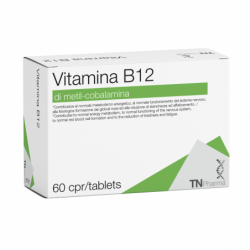
Vitamin B12, also known as cobalamin, is a water-soluble nutrient involved in red blood cell formation, DNA synthesis and the normal functioning of the nervous system. It is found mainly in animal-based foods and can also be obtained through fortified products and supplements.
When choosing the most suitable time to take it, it is useful to consider the formulation and your daily habits. Tablets, capsules and sublingual preparations may have different instructions, so it is always advisable to read the label and follow the directions provided by the manufacturer or healthcare professional.
In the morning or evening
There is insufficient evidence to claim that taking vitamin B12 in the morning is more effective than taking it in the evening. The vitamin is involved in energy metabolism, but this does not mean that it has an immediate stimulating effect or must necessarily be taken at the beginning of the day.
For many people, taking it in the morning may simply be more convenient, for example with breakfast. Those who prefer to take it at another time can do so, provided the product instructions allow it and there are no different medical recommendations.
When planning daily intake, it is useful to consider a few factors:
- Consistency: choose a time of day that makes it easier to follow the recommended instructions regularly;
- Convenience: linking intake to an established habit can help you remember your dose;
- Tolerability: if a product causes discomfort, check its formulation and ask a pharmacist or doctor for advice;
- Specific instructions: in the case of a diagnosed deficiency or prescribed treatment, follow the method of use established by your healthcare professional.
Vitamin B12 should not be regarded as an energy-boosting product to take before a demanding day. If the body is already receiving an adequate amount of this nutrient, additional supplementation does not guarantee more energy, better concentration or improved physical performance.
Before or after meals
Vitamin B12 can be taken with or without food, depending on the formulation and product instructions. There is no general rule requiring it to be taken on an empty stomach or immediately after eating.
It is useful to distinguish between the vitamin found in food and the vitamin contained in supplements. Vitamin B12 in food is bound to proteins and must be released during digestion, partly through the action of stomach acid. The vitamin in supplements is generally already in its free form and does not require this initial step, although its absorption still involves other mechanisms, including intrinsic factor produced by the stomach.
The choice of whether to take it before or after meals may therefore depend mainly on the product instructions and individual tolerability.
It is important to remember that certain conditions can impair vitamin B12 absorption even when dietary intake is sufficient. For example, in the presence of pernicious anaemia, atrophic gastritis or surgery involving the stomach and intestines, the appropriate supplementation method may require specific assessment.
When to take B vitamins
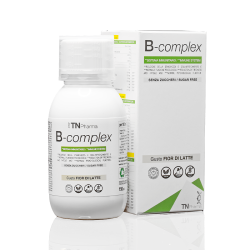
B vitamins comprise eight water-soluble vitamins: B1, B2, B3, B5, B6, B7, B9 and B12. They are involved in numerous metabolic processes and contribute to the normal functioning of the nervous system, energy production and the formation of cells and tissues.
Since they perform different but complementary functions, it is important to ensure an adequate intake of all the B vitamins. This does not mean that taking a B-complex supplement is always necessary: in most cases, a varied and balanced diet helps meet the body's requirements.
There is no single time of day that applies to all B vitamins. Supplements containing them can be taken according to the instructions on the label. If they cause nausea or stomach discomfort, it may be helpful to ask a pharmacist whether taking them with a meal would be preferable.
When supplementation is necessary
Vitamin B12 supplementation may be necessary when dietary intake is insufficient or when the body cannot absorb it properly. A deficiency can develop gradually and, if left unrecognised, may cause megaloblastic anaemia and neurological changes.
The risk does not depend solely on the amount of food consumed. Some people may obtain vitamin B12 through their diet but fail to absorb it adequately because of conditions affecting the stomach, intrinsic factor or small intestine.
The need for supplementation should therefore be assessed by considering diet, medical history, any medications being taken and test results. If symptoms compatible with a deficiency occur, it is preferable to consult a doctor rather than independently starting a high-dose product.
When not to take vitamin B12
Vitamin B12 is generally well tolerated, and no tolerable upper intake level has been established for the general population. However, this does not mean that everyone needs a supplement or that high doses should be taken without a specific reason.
For someone who follows an adequate diet and has no absorption problems, additional supplementation may not provide significant benefits. Before starting a product, it is therefore useful to assess dietary intake, individual circumstances and whether a deficiency is present.
Frequently asked questions
What is the recommended vitamin B12 dosage for adults?
Vitamin B12 requirements for adults vary slightly depending on the reference values adopted by different nutritional authorities. As a reference used in the United States, the NIH indicates 2.4 micrograms per day for adults, with higher amounts during pregnancy and breastfeeding.
This value represents the daily nutritional requirement and should not be confused with the dose contained in a supplement. Many products contain much higher amounts, sometimes hundreds or thousands of micrograms, because only part of the vitamin is absorbed when the dose is high or because they are intended for specific situations.
In cases of diagnosed deficiency or absorption problems, a doctor may recommend doses that differ from the general daily requirement. The amount and duration of treatment depend on the cause and severity of the deficiency and the individual's response.
How long should you take 1,000 mcg of vitamin B12?
There is no universally applicable duration for taking 1,000 micrograms of vitamin B12 per day. This amount may be used in certain protocols to treat a deficiency or compensate for specific absorption difficulties, but it is not a dose that everyone needs.
The duration depends on the cause of the deficiency and the response to treatment. In some situations, a limited period may be sufficient, whereas persistent conditions that impair absorption, such as pernicious anaemia, may require ongoing treatment. The decision should be made by a doctor based on test results and the individual's clinical situation.
Although vitamin B12 has a low potential for toxicity, a high dose does not guarantee additional benefits in someone who does not need it.
What is vitamin B12 used for during menopause?
Vitamin B12 contributes to the normal functioning of the nervous system, red blood cell formation and energy metabolism. These functions remain important during menopause, a stage of life when changes in sleep, mood, perceived energy levels and concentration may occur.
However, vitamin B12 is not a treatment for menopausal symptoms, and there is no evidence that taking additional amounts automatically improves memory or counteracts so-called brain fog. If a deficiency is present, correcting it may help resolve problems associated with insufficient intake, but it does not replace an assessment of other possible causes.
Fatigue, difficulty concentrating and sleep disturbances can have several causes, including hormonal changes, sleep quality, stress, diet and health conditions. If symptoms persist, it is therefore useful to consult a doctor to determine whether tests or specific interventions are needed.
Vitamin B12 can be taken at different times of the day, and in most cases there is no universally best time. Choosing between morning or evening, and before or after meals, depends mainly on the formulation and product instructions. Supplementation is particularly important when dietary intake is insufficient or when conditions interfere with absorption, whereas it is not automatically necessary for everyone.