- Health and wellness
- 2 views

- Are folates and folic acid the same thing?
- Folic acid, folinic acid and vitamin B9
- Functions and deficiency in adults
- Frequently asked questions
Are folates and folic acid the same thing?
Folates and folic acid belong to the vitamin B9 family, but they refer to different chemical forms. The term folates is used to describe the various forms of the vitamin found in foods and supplements, whereas folic acid refers to a specific synthetic form.
Both help meet vitamin B9 requirements and are involved in processes that are essential for cell growth and renewal, DNA synthesis and blood cell formation.
This distinction is particularly important when comparing food sources with supplements, as the different forms have different characteristics in terms of stability, absorption and metabolism.
Difference between dietary folate and folic acid
The main difference between dietary folate and folic acid concerns the origin and chemical structure of the two forms of vitamin B9.
Natural folates are found in numerous foods, particularly leafy green vegetables, legumes and certain other vegetables. From a chemical perspective, they are mainly present as reduced derivatives of tetrahydrofolate (THF), often characterised by the presence of several glutamate residues.
Folic acid, on the other hand, is an oxidised, synthetic form of vitamin B9, used in most supplements and added to certain foods through fortification processes. Compared with naturally occurring food folates, it is more stable during storage and processing.
Bioavailability also differs. Folic acid is generally absorbed more efficiently than natural folates, which must first undergo conversion in the intestine to facilitate absorption.
The main dietary sources of folates include:
- Leafy green vegetables: spinach, lettuce, chard and cabbage;
- Legumes: lentils, chickpeas, beans and peas;
- Vegetables: asparagus, broccoli and Brussels sprouts;
- Fruit: especially citrus fruits and oranges;
- Nuts and seeds: certain varieties of nuts and seeds.
Since folates are sensitive to heat and can be lost in cooking water, food preparation methods can affect their content. A varied and balanced diet, including regular consumption of vegetables and legumes, helps ensure an adequate intake of this vitamin.
The role of methylfolate and bioavailability
Methylfolate, also known as 5-methyltetrahydrofolate (5-MTHF), is a reduced form of vitamin B9 naturally present in the body and represents the main circulating form of folate in the blood.
Unlike folic acid, which must undergo several metabolic transformations before it can participate in biological processes, 5-MTHF is already a metabolically active form and can enter the folate cycle directly.
The conversion of folic acid into forms that can be used by the body involves several enzymes. These include dihydrofolate reductase (DHFR), which participates in the conversion of folic acid, and methylenetetrahydrofolate reductase (MTHFR), which is involved in the production of 5-MTHF.
The MTHFR enzyme is particularly interesting because certain genetic variants of the corresponding gene can reduce its activity. This may affect folate metabolism and the regulation of homocysteine levels, but it does not mean that people with these variants are necessarily unable to use folic acid.
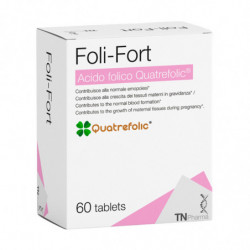
Methylfolate is also used in supplements, sometimes through patented raw materials developed to provide a stable and bioavailable form of vitamin B9, such as Quatrefolic, a 5-MTHF-based ingredient used in nutraceutical formulations.
The choice between folic acid and methylfolate depends on the characteristics of the product and individual needs. There is insufficient evidence to claim that methylfolate is always superior to folic acid for the entire population. In addition, for women who may become pregnant, recommendations for preventing neural tube defects specifically indicate folic acid supplementation, including for those with MTHFR variants.
Folic acid, folinic acid and vitamin B9
Vitamin B9 is the name used for this family of water-soluble nutrients, which includes several forms of folate. These include folic acid, 5-MTHF and folinic acid, also known as folinic acid.
These substances participate in interconnected metabolic processes, but they have differences that are important to understand, particularly when choosing a supplement or following a specific treatment.
Folic acid and other forms of folate also belong to the broader B vitamin complex, which is involved in energy metabolism, nervous system function and numerous cellular reactions.
Difference between folinic acid and folic acid
Folinic acid and folic acid are not the same substance, even though they both belong to the vitamin B9 family.
The term folinic acid commonly refers to folinic acid, also known as 5-formyltetrahydrofolate. It is a reduced form of folate, also available as a medicine in the form of calcium folinate, which can be used in specific therapeutic contexts.
Unlike folic acid, folinic acid does not require the same initial sequence of metabolic transformations to enter the folate cycle. It can be converted into other forms that the body can use through different enzymatic reactions.
The main differences are:
- Folic acid: the synthetic, oxidised form of vitamin B9, used in supplements and fortified foods. It must be converted by the body before it can enter active metabolic processes;
- Folinic acid: a reduced form of folate, also used in pharmacology for specific therapeutic indications;
- Methylfolate: 5-MTHF, an already metabolically active form that directly participates in the folate cycle and homocysteine metabolism.
It is therefore important not to confuse folinic acid with methylfolate: although both are reduced forms of vitamin B9, they have different chemical structures and metabolic functions.
The link between folic acid and vitamin B12
Folic acid and vitamin B12 are two closely connected micronutrients because they participate in processes that are essential for cell division, DNA synthesis and red blood cell formation.
Vitamin B12, also known as cobalamin, is required for the proper functioning of certain metabolic reactions involving folates. In particular, it participates in the conversion of 5-MTHF into tetrahydrofolate, a form that can be reused in nucleotide and DNA synthesis.
Both vitamins also contribute to normal homocysteine metabolism, involving an amino acid produced during protein metabolism. Vitamin B12 and 5-MTHF work together in converting it back into methionine.
A vitamin B12 deficiency can therefore interfere with the normal utilisation of folates, causing changes in blood cell production. At the same time, a folate deficiency can impair DNA synthesis and contribute to the development of megaloblastic anaemia.
Supplementation also requires attention: high doses of folic acid can correct some blood-related signs of vitamin B12 deficiency without addressing the underlying problem. As a result, the B12 deficiency may remain undetected while possible neurological damage continues to develop.
Functions and deficiency in adults
Vitamin B9 plays an important role in numerous physiological processes, particularly those related to growth, cell division and blood formation. A regular intake is necessary because it is a water-soluble vitamin and the body's stores are limited.
Folate deficiency can develop when dietary intake is insufficient, intestinal absorption is impaired or requirements increase. If left undetected and untreated, it can interfere with normal body function and cause megaloblastic anaemia.
What is folic acid used for in the body?
Folic acid contributes to the normal functioning of the body through its involvement in vitamin B9 metabolic processes. Once converted into usable forms, folate participates in several reactions that are essential for cell health.
Its main functions include:
- DNA synthesis and cell division: folates participate in the production of nucleotides required for DNA and RNA synthesis, processes that are essential for tissue growth and renewal;
- Red blood cell formation: they contribute to normal haematopoiesis, the process through which blood cells are produced;
- Homocysteine metabolism: they help regulate the levels of this amino acid through specific metabolic reactions;
- Nervous system function: they are involved in the metabolic processes required for the normal functioning of nerve cells;
- Growth of maternal tissues during pregnancy: vitamin B9 contributes to the growth of maternal tissues and is particularly important in the early stages of embryonic development.
Adequate folate intake is important throughout life, but it plays a particularly significant role during periods characterised by increased cell division activity, such as pregnancy.
Adequate intake of folic acid before conception and during the first weeks of pregnancy helps reduce the risk of neural tube defects in the foetus. For this reason, in Italy, women planning a pregnancy or who may become pregnant are advised to take 400 micrograms of folic acid per day, starting at least one month before conception and continuing throughout the first trimester, in accordance with health recommendations.
Folate deficiency can present with several signs:
- Tiredness and weakness: these may be linked to reduced red blood cell production and the resulting anaemia;
- Pallor and breathing difficulties: these may occur when anaemia affects normal oxygen transport;
- Headaches and palpitations: these are possible symptoms associated with megaloblastic anaemia;
- Tongue inflammation: glossitis, pain and small ulcers of the oral mucosa may occur;
- Gastrointestinal disorders: in some cases, loss of appetite and digestive changes may develop.
The main causes of deficiency include a diet low in folates, excessive alcohol consumption, conditions that impair intestinal absorption, such as coeliac disease, and the use of certain medicines that interfere with vitamin B9 metabolism. If a deficiency is suspected, it is important to consult a doctor to identify the cause and establish the most appropriate treatment.
Frequently asked questions about folates and folic acid
Does taking folic acid cause weight gain?
Folic acid does not cause weight gain and does not provide significant amounts of calories. It is a water-soluble vitamin involved in numerous metabolic processes, but it contains no energy and does not directly increase body fat.
Any change in weight during a period of supplementation cannot automatically be attributed to folic acid, as it may depend on other factors, such as diet, physical activity and individual circumstances.
Can folic acid be taken continuously or does it require breaks?
Folic acid can also be taken over extended periods when there is a genuine need for supplementation and the recommended dosages are followed. There is no mandatory break that applies to everyone, as the duration depends on the reason for taking it, the dosage and individual circumstances.
In cases of diagnosed deficiency, supplementation may be prescribed for a specific period or continued for longer if the cause of the deficiency persists. It is important to avoid taking high doses for extended periods without medical supervision, particularly because excess folic acid can mask certain blood-related signs of vitamin B12 deficiency.
What should you do if you forget to take folic acid?
If you forget to take folic acid, you can generally take the missed dose when you remember, unless it is almost time for the next dose. In that case, it is preferable to skip the missed dose and continue with your usual schedule.
You should not take a double dose to make up for the missed one. If folic acid has been prescribed by a doctor for a specific condition, follow the instructions in the patient information leaflet or ask a healthcare professional for advice.
Which foods contain the most folates?
Foods richest in folates include mainly leafy green vegetables, such as spinach, chard and lettuce, as well as legumes, asparagus, broccoli, citrus fruits and nuts. Regularly including these foods in your diet helps meet your daily vitamin B9 requirements.
It is preferable to alternate different food sources and pay attention to cooking methods, as high temperatures and prolonged cooking times can reduce the folate content of foods.
What is the difference between folinic acid and methylfolate?
Folinic acid and methylfolate are two different forms of vitamin B9.
- Folinic acid, or folinic acid, corresponds to 5-formyltetrahydrofolate and is a reduced form also used in pharmacology.
- Methylfolate corresponds to 5-MTHF and is the form directly involved in homocysteine metabolism.
Both participate in folate metabolism, but they have different chemical and metabolic characteristics and should not automatically be considered interchangeable.
Folates, folic acid, folinic acid and methylfolate therefore belong to the same vitamin family, but refer to different substances in terms of structure and how they are used by the body. Vitamin B9 is essential for DNA synthesis, cell division and normal blood cell formation. Maintaining an adequate intake through food and, when necessary, targeted supplementation helps support the proper functioning of these processes.