- Health and wellness
- 4 views

- What vitamins are and what they do
- Classification and list of vitamins
- Vitamin supplements and how to use them
- Frequently asked questions
What vitamins are and what they do
Vitamins are essential micronutrients that the body uses to perform numerous biological functions. They are needed in relatively small amounts, but they are involved in processes that are important for metabolism, immune system function, bone health, cell protection and tissue maintenance.
Most vitamins must be obtained through the diet because the body cannot produce them independently in sufficient amounts. Some can be partly synthesised by the body, such as vitamin D through the skin's exposure to sunlight, but this does not remove the importance of an adequate dietary intake and, when necessary, supplementation.
Vitamins are found in many foods of both plant and animal origin: fruit, vegetables, grains, legumes, eggs, fish, meat, milk and dairy products. Each food has a different composition, which is why varying food sources is one of the most effective ways to help meet nutritional requirements.
Some vitamins are involved in energy metabolism, while others contribute to red blood cell formation, normal nervous system function or bone maintenance. Understanding the different types helps explain why a varied and balanced diet is important for health.
Their biological role and main functions
Vitamins are involved in numerous physiological processes, often working alongside enzymes and other molecules. They do not directly provide energy, as carbohydrates, fats and proteins do, but they help the body use nutrients and maintain the proper functioning of its various biological systems.
The main functions of vitamins include:
- Energy metabolism: several B vitamins contribute to the reactions that allow the body to obtain energy from food;
- Immune function: vitamins such as A, C, D and B6 contribute to the normal functioning of the immune system;
- Bone health: vitamins D and K are involved in processes that are important for maintaining bone tissue;
- Cell protection: vitamins C and E contribute to protecting cells against oxidative stress;
- Red blood cell formation: vitamin B12, folate and vitamin B6 are involved in processes related to the normal formation of blood cells;
- Vision and tissue maintenance: vitamin A contributes to maintaining normal vision and mucous membranes, while vitamin C is involved in normal collagen formation;
- Nervous system function: some B vitamins, including B1, B6 and B12, contribute to the normal functioning of the nervous system.
An insufficient vitamin intake can lead to deficiencies, with consequences that depend on the micronutrient involved and the severity of the situation.
Excessive intake can also be problematic, particularly in the case of fat-soluble vitamins, which can accumulate in the body. For this reason, the goal is not to consume as many vitamins as possible, but to obtain amounts that are appropriate for individual needs.
Classification and list of vitamins
Thirteen vitamins are recognised as essential. One of the most widely used classification systems is based on their solubility, meaning their ability to dissolve in water or in fats. This distinction is important because it affects absorption, transport and the ways in which the body stores and eliminates the different micronutrients.
Vitamins are therefore divided into two main groups: water-soluble and fat-soluble. The former dissolve in water and are generally stored in limited amounts; the latter are absorbed together with dietary fats and can be stored in tissues, especially in the liver and adipose tissue.
Water-soluble vitamins
Water-soluble vitamins include vitamin C and the B-complex vitamins. They dissolve in water and are involved in numerous metabolic processes. Since many of them are stored in limited amounts, it is important to obtain them regularly through the diet.
B-complex vitamins are particularly involved in energy metabolism: they often act as components or precursors of coenzymes, molecules that help enzymes carry out the reactions needed to use carbohydrates, fats and proteins.
The main water-soluble vitamins are:
- Vitamin B1 (thiamine): contributes to normal energy metabolism and the functioning of the nervous system and heart;
- Vitamin B2 (riboflavin): is involved in energy metabolism and contributes to maintaining normal skin, mucous membranes and vision;
- Vitamin B3 (niacin): contributes to normal energy metabolism, nervous system function and normal psychological function;
- Vitamin B5 (pantothenic acid): contributes to the synthesis and normal metabolism of steroid hormones, vitamin D and certain neurotransmitters, as well as to energy metabolism;
- Vitamin B6 (pyridoxine): is involved in protein and glycogen metabolism and contributes to normal immune function and red blood cell formation;
- Vitamin B7 (biotin or vitamin H): contributes to the normal metabolism of macronutrients and the maintenance of normal hair, skin and mucous membranes. In some classification systems it is also referred to as vitamin B8, but B7 is the name commonly used in current nutritional classifications;
- Vitamin B9 (folate or folic acid): contributes to the growth of maternal tissues during pregnancy, blood formation and the process of cell division;
- Vitamin B12 (cobalamin): contributes to red blood cell formation, nervous system function and normal homocysteine metabolism;
- Vitamin C (ascorbic acid): contributes to normal immune system function, collagen formation and iron absorption.
Biotin deserves specific attention because it contributes to the functioning of certain enzymes involved in the metabolism of fats, carbohydrates and amino acids. Its physiological role is also linked to maintaining normal hair and skin.
In general, excess water-soluble vitamins are mainly eliminated through urine, but this does not mean that high doses are always risk-free. For these vitamins too, it is important to follow appropriate intake levels and avoid concentrated supplementation without a genuine need.
Fat-soluble vitamins
There are four fat-soluble vitamins: A, D, E and K. They dissolve in fats and are absorbed in the intestine together with dietary lipids. After absorption, they can be stored in the body, especially in the liver and adipose tissue, and used when needed.
This characteristic distinguishes them from water-soluble vitamins and makes it particularly important to pay attention to the amounts consumed through supplements and fortified foods. Excessive intake, especially over a prolonged period, can lead to accumulation and toxicity risks.
The four fat-soluble vitamins perform different functions:
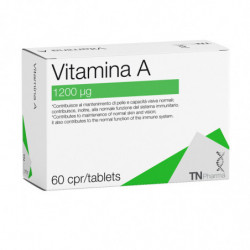
- Vitamin A: contributes to maintaining normal vision, skin and mucous membranes, as well as normal immune system function. It is found in animal-based foods as retinol and in some plant foods as provitamin A carotenoids, including beta-carotene;
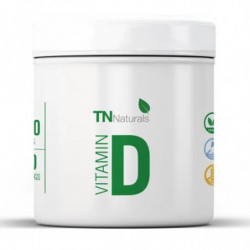
- Vitamin D: contributes to the normal absorption and utilisation of calcium and phosphorus, the maintenance of normal bones and muscle function, and normal immune system function;
- Vitamin E: contributes to protecting cells against oxidative stress thanks to its antioxidant activity;
- Vitamin K: contributes to normal blood clotting and the maintenance of normal bones. It includes several forms, such as vitamin K1, found mainly in green leafy vegetables, and vitamin K2, found in some fermented and animal-based foods.
Vitamins D and K are involved in distinct but related processes in bone metabolism: vitamin D contributes to calcium absorption and utilisation, while vitamin K is involved in the activation of proteins that play a role in blood clotting and bone metabolism.
Summary table of nutrients
The following table summarises the thirteen essential vitamins, their classification and some of their main recognised functions. The functions listed are not exhaustive, but they help distinguish the contribution of each micronutrient.
| Vitamin | Classification | Main functions |
|---|---|---|
| Vitamin A (retinol and provitamin A carotenoids) | Fat-soluble | Vision, maintenance of skin and mucous membranes, immune function |
| Vitamin B1 (thiamine) | Water-soluble | Energy metabolism, nervous system and heart function |
| Vitamin B2 (riboflavin) | Water-soluble | Energy metabolism, maintenance of skin and vision |
| Vitamin B3 (niacin) | Water-soluble | Energy metabolism, nervous system and psychological function |
| Vitamin B5 (pantothenic acid) | Water-soluble | Energy metabolism and synthesis of certain biological molecules |
| Vitamin B6 (pyridoxine) | Water-soluble | Protein metabolism, red blood cell formation and immune function |
| Vitamin B7 (biotin or vitamin H) | Water-soluble | Macronutrient metabolism, maintenance of hair and skin |
| Vitamin B9 (folate) | Water-soluble | Cell division, blood formation and growth of maternal tissues during pregnancy |
| Vitamin B12 (cobalamin) | Water-soluble | Red blood cell formation, nervous system and homocysteine metabolism |
| Vitamin C (ascorbic acid) | Water-soluble | Collagen formation, immune function, iron absorption and protection against oxidative stress |
| Vitamin D | Fat-soluble | Calcium and phosphorus absorption, bone health and muscle function |
| Vitamin E (tocopherols and tocotrienols) | Fat-soluble | Protection of cells against oxidative stress |
| Vitamin K (K1 and K2) | Fat-soluble | Blood clotting and maintenance of normal bones |
This classification helps explain some important differences: water-soluble vitamins require regular intake, whereas fat-soluble vitamins can be stored in the body. In both cases, a varied diet is the starting point for obtaining adequate amounts.
Vitamin supplements and how to use them
Vitamin supplements may be considered when the diet is insufficient to meet a specific requirement or when certain conditions increase the risk of deficiency. However, they are not necessary for everyone: a varied and balanced diet can provide most of the vitamins the body needs.
In some cases, targeted supplementation with a single vitamin may be appropriate; in others, a formulation combining several micronutrients may be considered.
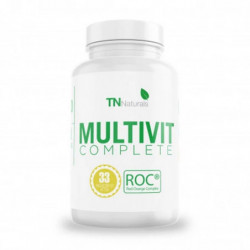
When the diet has nutritional gaps or requirements are increased, multivitamins may offer a practical way to obtain several vitamins and minerals in a single formulation. However, their usefulness depends on their composition, the amounts per serving and the individual's actual needs.
When to take vitamins
The most suitable time to take a vitamin supplement depends on the type of vitamin, the formulation and the instructions on the label. There is no single time of day that applies to all products, but certain characteristics can help organise intake.
- Water-soluble vitamins can generally be taken with water;
- Fat-soluble vitamins are absorbed together with dietary fats, so it may be useful to take them with a meal containing an adequate amount of fat.
Before starting supplementation, it is advisable to consider a few aspects:
- Consistency: follow the frequency indicated on the label and maintain a consistent intake routine;
- Meal composition: check whether the product contains fat-soluble vitamins and whether the instructions recommend taking it with a meal;
- Total intake: check whether the same vitamin is already present in other supplements or fortified foods;
- Individual needs: consider age, diet, physiological conditions, medical conditions and ongoing treatments;
- Professional guidance: in the case of diagnosed deficiencies or specific needs, follow the advice of a doctor or dietitian.
There is no need to take all vitamins as supplements or increase doses to obtain more energy or improve performance. If tiredness persists or a deficiency is suspected, it is preferable to identify the cause through a healthcare assessment rather than choosing a high-dose product independently.
How to choose the most suitable products
Choosing a vitamin supplement should start with its composition and the amount of nutrients provided per daily serving. A comprehensive product is not necessarily the most suitable one: it is important to check that the vitamins it contains match individual needs and that the dosages are appropriate.
To compare different formulations, it is useful to check:
- Vitamins included: check which micronutrients are present and whether the product also contains minerals or other ingredients;
- Amount per serving: compare the declared values with the nutrient reference values and any guidance received from a professional;
- Chemical form: check which form of the vitamin is used, especially when several forms with different characteristics exist;
- Overall composition: consider possible overlaps with other supplements and fortified foods;
- Quality and transparency: choose products with clear labels, declared ingredients and easy-to-understand directions for use;
- Personal needs: take into account allergies, intolerances, health conditions, medications and dietary preferences.
Bioavailability, meaning the proportion of a nutrient that is absorbed and made available to the body, can vary depending on its chemical form, the formulation and the presence of other components in the meal or product. Interactions between micronutrients can also affect absorption and utilisation.
In the presence of medical conditions, pregnancy, breastfeeding or medication use, it is advisable to consult a doctor or pharmacist before taking a supplement. Some vitamins, particularly fat-soluble ones, can accumulate in the body and reach excessive levels if taken in high amounts or through several products at the same time.
Frequently asked questions
Which foods are richest in vitamins?
There is no single food that contains all vitamins in the amounts required. Fruit and vegetables are important sources of vitamin C, folate and provitamin A carotenoids, while foods such as eggs, fish, milk and dairy products provide various B vitamins and fat-soluble vitamins. Whole grains and legumes help complete micronutrient intake. Alternating foods of plant and animal origin, according to personal preferences and needs, helps build a varied diet.
Which vitamins are considered most important for the body?
All essential vitamins are important because they contribute to different physiological functions and cannot replace one another.
- Vitamin A contributes to vision and immune function;
- B-complex vitamins are involved in energy metabolism and nervous system function;
- Vitamin C contributes to collagen formation and iron absorption;
- Vitamin D is important for calcium absorption and bone health;
- Vitamins E and K play a role in protecting cells against oxidative stress and in blood clotting, respectively.
The priority is to meet the requirements for all vitamins, rather than focusing on just one.
Can vitamins be chemically classified as lipids?
No, not all vitamins belong to the lipid category: they are a diverse group of organic compounds with different chemical structures. The term fat-soluble vitamins indicates that some of them, namely A, D, E and K, dissolve in fats and are absorbed together with dietary lipids. The others are called water-soluble because they dissolve in water. Solubility is a physicochemical characteristic used to classify them, but it does not mean that fat-soluble vitamins are all lipids or that water-soluble vitamins are all sugars.
Vitamins are essential micronutrients for the proper functioning of the body and are divided into water-soluble and fat-soluble groups according to their solubility. Supplements can be useful when they address a specific need, but they should be chosen carefully, with attention to dosages and individual circumstances.