- Training
- 32264 views

The recommended daily protein intake is 0.8 grams of protein per kilogram of body weight. After re-analysing the data from the studies used to formulate the protein recommendations, some Canadian researchers concluded that the recommended intake should be increased to 0.93–1.2 grams per kilogram of body weight per day.
Studies carried out on athletes undergoing intensive training have revealed that daily protein requirements could reach 1.7 grams of protein per kilogram of body weight per day. The protein requirements of athletes have been a subject of controversy since ancient times!
In the 6th century BC, the great Olympic athlete Milo of Croton claimed to consume large quantities of beef to improve his athletic performance. In the years that followed, numerous studies were carried out to establish the recommended daily protein requirements, and all arrived at a figure ranging between 0.8 and 1.5 grams of protein per kilogram of body weight. Each person’s ideal requirements should be determined by taking into account numerous factors, the most important of which are:
- Age
- Gender
- Body composition
- Dietary habits
- Type of diet
- Physical activity undertaken
- Lifestyle
Some studies have shown that most people only consume protein at dinner. Although there are no specific ‘side effects’, this behaviour is not entirely advisable, as there is a risk of not consuming an adequate daily amount of protein or of consuming too much in a single meal, which places a strain on the digestive system and the organs responsible for protein metabolism.
According to a study conducted by Douglas Paddon-Jones and Madonna Mamerow of the University of Texas Medical Branch in Galveston, 24-hour protein synthesis was higher when protein was consumed throughout the day, compared with a single intake in the evening. This study used sophisticated radioactive tracer methods to measure protein synthesis, rather than approximate methods. Consequently, we can state that it is not enough simply to ensure an adequate daily protein intake (as mentioned above), but that it is also advisable to spread this intake over at least two to three meals. Please note: not all proteins are created equal! An excellent review of the literature carried out by Christine Rosenbloom of Georgia State University concluded that the best sources of protein contain all the essential amino acids, i.e. those that must be obtained from the diet as our bodies are unable to produce them. Furthermore, different sources of protein also have different ‘rates’ of digestion.
Among the ‘fastest’ sources of protein,whey protein certainly deserves a mention. Whey proteins can vary greatly from one another and have different dietary uses. It is important to note that whey is the fastest-acting source of protein and that its use can improve immune system function, regulate blood sugar levels, and promote recovery and general health. Egg, beef and soya proteins also constitute a valuable source of high biological value protein. Their use has grown in recent years, particularly because they can be consumed by anyone who is unable or unwilling to consume whey protein.
Recent high-quality protein powder formulations derived from cow’s milk, soya and eggs therefore represent an excellent source of protein to consider for meeting daily protein requirements. With this in mind, we can try to get a clearer picture of how and in what quantities we can incorporate protein powders into our diet. Let’s start from the principle that any protein supplement used must be factored into your daily protein requirements. In this way, protein powders become a source of protein like any other, to be included without hesitation throughout the day.
How much protein should you consume each day?
To answer this question, we refer back to what was said earlier, as the daily intake limit is always dictated by protein requirements. It is therefore simply a matter of taking these into account, whilst of course varying the sources of protein throughout the day. With this in mind, we can state that there is no need to introduce ‘protein-free periods’, as was commonly suggested 20 years ago. If we consume protein powders as part of our daily requirements and within the context of a balanced diet, there is no problem whatsoever. Some people still argue that these are not ‘natural’ sources of protein. This claim is also false, as protein powders are always derived from natural foods. If we’re talking about high-quality products, we can know exactly where they come from and what raw materials are used. We should dispel the notion that protein powders are unhealthy, because, provided we’re talking about a high-quality product, this isn’t an issue at all!
Let’s make a simple comparison using 100 g of chicken breast, one of the most commonly used sources of protein due to its nutritional value. This provides around 25 g of protein, which is entirely comparable to the 25 to 30 g of protein provided by protein powder. Some might say that chicken is a healthier food because it is ‘more natural’, but this isn’t the case! Do we know where this chicken comes from? Do we know what it was fed? Do we know if it comes from factory farming? Do we know if it was treated with medication?
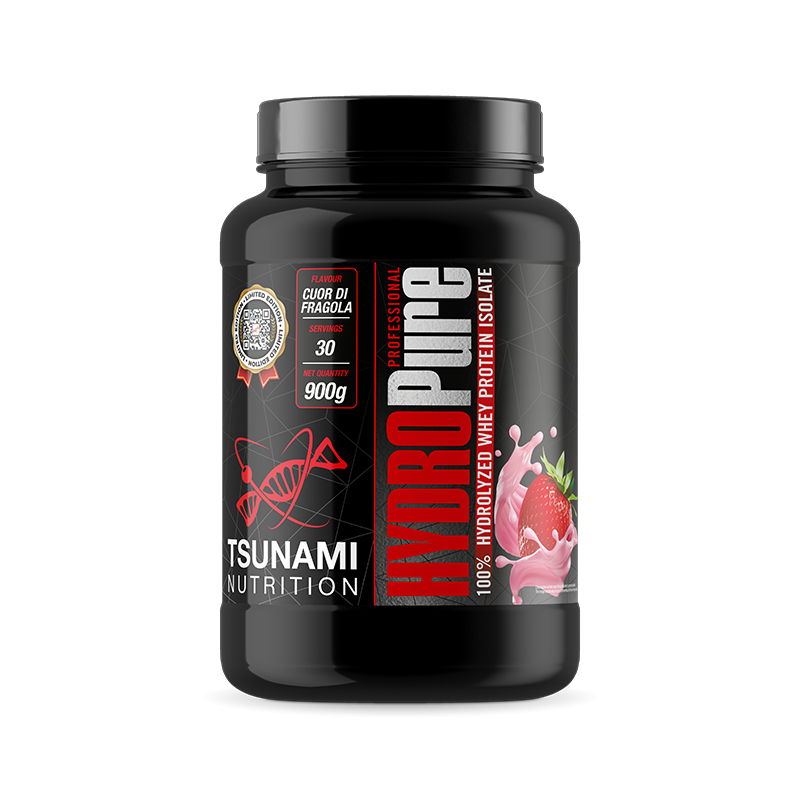
Now let’s compare it to a high-quality HYDROPure PROFESSIONAL protein from Tsunami Nutrition: we know exactly that it has been made from very high-quality, patented Carbery® whey, using a highly controlled and certified production process. Tsunami Nutrition Hydro Pure Professional proteins are fast-absorbing (37 per cent faster than isolates) and release amino acids into the bloodstream, helping to increase insulin levels and thereby enabling glycogen stores to be replenished after an intense workout.
At this stage, which of the two foods is better? I would say ‘whey’, but I’ll leave you to decide whether they are at least equivalent and that each represents a viable source of protein to include in our diet, whilst staying within the limits of our daily protein requirements. A study conducted by Christopher Mobley and his colleagues at Auburn University in Alabama found that whey protein promotes muscle protein synthesis to a greater extent than egg protein or a combination of whey and egg.
According to researchers at the University of Auckland in New Zealand, consuming whey protein leads to a more prolonged rate of muscle protein synthesis than consuming soya protein. This study involved older men, aged between 60 and 75, who were given 30 grams of soya or whey protein. Markers of muscle protein synthesis (P70S6 kinase) were measured using a muscle biopsy. The results showed that protein synthesis increased for two hours following the consumption of soya protein, but continued for four hours following the consumption of whey. The loss of muscle mass in older people (known as sarcopenia) remains a serious health issue today, leading to a loss of mobility, reduced bone mass, impaired carbohydrate metabolism and premature death. Provided their health is stable and there are no contraindications, older people might also consider incorporating protein powders into their daily protein intake. But that’s not all, as whey protein is also effective at reducing appetite and stabilising blood sugar levels.
A study by the University of Toronto found that consuming whey protein before a large meal leads to a reduction in food intake, lowers postprandial blood glucose levels and reduces insulin release. The researchers in this study administered 10 to 40 grams of whey protein 30 minutes before an all-you-can-eat pizza lunch. Those who had taken whey protein felt less hungry and consumed significantly fewer calories. Whey protein supplements are therefore strongly recommended as part of diets aimed at controlling or reducing weight.
In a study conducted on rats, researchers at the University of Copenhagen found that waste products from the Krebs cycle (tricarboxylic acid cycle) were higher following whey protein supplementation than following casein protein supplementation. This could indicate an increase in energy expenditure following the intake of whey. When combined with the benefits outlined above, it can be said that whey protein is a valuable ally for weight loss. Finally, there is an interesting point for those who train intensively. According to researchers at the University of Jyväskylä in Finland, a whey protein supplement taken after training can have positive effects on body composition.
Untrained men, who took part in a 12-week weight-training programme, were given supplements containing:
- 30 grams of whey protein
- Protein + carbohydrates
- Carbohydrates only
The drinks were consumed by all three groups immediately after training. The group that consumed only whey protein achieved the best results in terms of body composition. However, it remains to be seen whether these results also apply to advanced athletes who train intensively.
In conclusion, include protein powders in your daily protein intake, use them just like other protein sources, opt for certified-quality protein, and you’ll reap nothing but benefits from consuming them!