- Training
- 39713 views

The importance of dietary supplements in combat sports
Dietary supplements provide essential support for those who practise combat sports. Indeed, practising these disciplines subjects every fighter to intense physical and psychological stress: training sessions, and even more so actual fights, subject combat sports athletes to gruelling demands, and the numerous blows dealt and received put their bodies under severe strain.
Striking an opponent to weaken them and knock them out, or dodging or absorbing blows as best as possible, are repeated actions that place the body and physical endurance under severe strain.
At the same time, every fighter must constantly work to optimise all the aspects which, together, enable them to reach a higher level of performance: strength, endurance, speed, precision, concentration and memory are among the key qualities that make the difference during a fight and can determine victory.
Training, diet and supplementation are the cornerstones of any athlete’s life, but nutritional requirements can vary from one individual to another.
Benefits of dietary supplements for wrestlers
Dietary supplements for combat sports provide essential nutrients to maintain the health of bones, tendons and muscles and to support physical and mental recovery. Furthermore, dietary supplements help to build and maintain muscle mass, support fat metabolism, aid cellular rehydration and can counteract the effects of free radicals, the release of which increases significantly when the body is constantly under stress.
To achieve the best possible results from using dietary supplements, it is essential to find the right balance between diet, supplements and training. Combining these factors is the first step for any athlete keen to improve their performance and results.
How dietary supplements influence performance and recovery
Dietary supplements provide the body with the essential nutrients needed to enhance muscle growth, endurance, energy levels and optimise physical recovery times. Those who practise combat sports such as MMA and boxing subject their bodies to constant and intense stress and, under certain conditions, the recovery time between training sessions may prove insufficient for a full recovery.
Furthermore, dietary supplements can only work to their full potential when combined with a balanced diet and appropriate training.
For all athletes who are fully committed to their physical and technical preparation, dietary supplements can play a central role in helping them achieve ever-better results, both physically and mentally. These two factors are crucial for improving performance and striving for victory.
Best dietary supplements for athletes practising MMA and boxing
Protein for muscle recovery
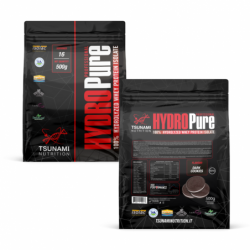
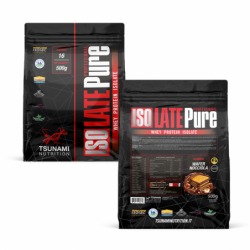
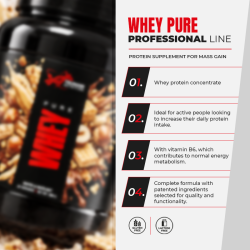
Protein is a dietary supplement that every fighter should take regularly. Combat sports demand intense training regimes and constant physical exertion: thanks to their amino acid content, proteins stimulate protein synthesis in the muscles, helping to maintain and build lean body mass and, in particular, promoting faster muscle recovery.
At this point, it is reasonable to ask: which proteins are best suited to combat sports practitioners? Undoubtedly, whey protein. Its excellent amino acid profile and support for building muscle mass are not the only benefits of this supplement, which is widely used by athletes of all ages, genders and disciplines. Whey protein is also highly digestible and is absorbed quickly.
Whey protein isn’t the only protein supplement a wrestler can choose: let’s take a look below at the other sources of protein available for fighters.
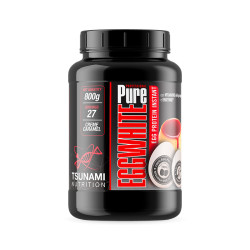
- Eggprotein: Egg protein has a high biological value, very similar to that of milk protein; it is excellent for people who are lactose intolerant and has an intermediate absorption rate, faster than that of whey protein but slower than that of casein.
- Meat proteins: for example, hydrolysed beef protein, with its complete amino acid profile, is one of the best alternatives to milk or egg protein; they have a strong flavour and, thanks to the hydrolysis process, are easier to digest and, once again, excellent for people who are lactose intolerant.
- Soya proteins: soya beans have a high protein content, which is why soya proteins produced from high-quality raw materials are a very pure source of plant-based protein, ideal for all athletes and particularly for vegetarians and vegans.
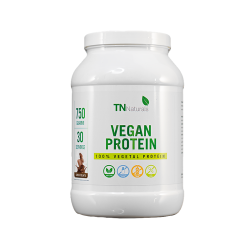
- Plant-based proteins or vegan proteins: plant-based proteins are excellent alternative sources of protein, particularly for athletes who do not wish to consume animal products, and can be an excellent solution for vegan and vegetarian athletes who practise combat sports. There are several good sources of plant-based protein, such as rice, peas, hemp and soya.
Creatine for explosive strength
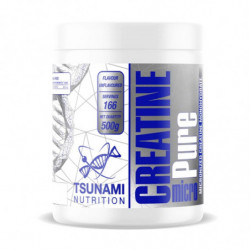
Creatine is an amino acid derivative naturally present in our bodies: in nature, the main dietary sources are meat and fish. Consequently, creatine can be consumed as part of a diet or synthesised by the body. Creatine increases the amount of energy immediately available to the muscles and optimises physical performance in terms of strength and power.
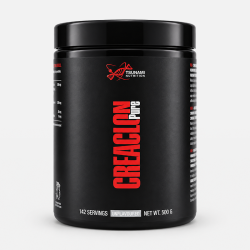
Creatine monohydrate is the most common form of creatine, but in recent years other forms have emerged, offering significant innovations, particularly in terms of bioavailability and rate of absorption. The most significant example is the new Clonapure® creatine with phosphocreatine, available both as a powder and, in a world first, in capsule form.
Amino acids: EAAs, BCAAs, glutamine
Amino acids are the building blocks of proteins, which are, in turn, essential nutrients for the body. Those who practise combat sports subject their bodies to intense and prolonged stress; amino acids therefore play a fundamental role in supporting muscle recovery processes. They are divided into:
- Essential amino acids (EAAs): so called because the human body cannot synthesise them on its own; they must therefore be obtained through diet or dietary supplements. The essential amino acids are phenylalanine, isoleucine, histidine, leucine, lysine, methionine, threonine, tryptophan and valine. They play a fundamental role in muscle growth and repair, as well as in muscle health; they contribute to the production of certain hormones and support the immune system, brain health and brain function.
- Non-essential amino acids: alanine, arginine, aspartic acid, cysteine, glutamic acid, glutamine, glycine, proline, serine and tyrosine. The term ‘non-essential’ means that the human body is capable of synthesising these amino acids on its own; like essential amino acids, they play a very important role in protein synthesis, the production of collagen – one of the body’s most important structural proteins – hormone synthesis, the health of the nervous system and certain detoxification processes.
BCAA amino acids (branched-chain amino acids) are essential amino acids that have a branched structure, rather than a linear one like the others, and there are three of them: leucine, isoleucine and valine. Among the essential amino acids, BCAAs play a key role in muscle metabolism and protein metabolism: this is why dietary supplements containing branched-chain amino acids can provide significant support for muscle recovery in combat sports practitioners.
Finally, one supplement that can prove very useful for those practising combat sports is glutamine: L-glutamine is an essential amino acid found in high concentrations in muscle cells and is an important source of energy. L-glutamine-based dietary supplements are particularly recommended for all athletes and fighters who train intensively on a daily basis: indeed, glutamine accelerates and optimises muscle recovery by combating catabolism, stimulating growth hormone and strengthening the immune system.
Carbohydrates for immediate energy
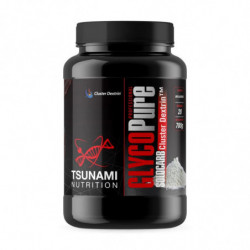
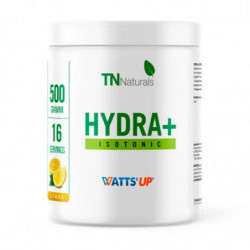
Practising combat sports involves significant energy expenditure and fluid loss, which can lead to dehydration. This is why, in addition to all the other supplements recommended so far, it is very important to consider using supplements containing carbohydrates, electrolytes and natural extracts capable of providing hydration and energy, and of improving muscle glycogen stores during the pre-workout and post-workout phases.
Minerals, vitamins and plant extracts for metabolism and physical and mental wellbeing
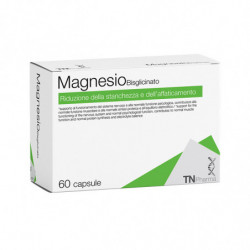
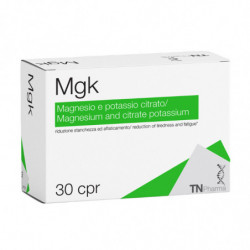
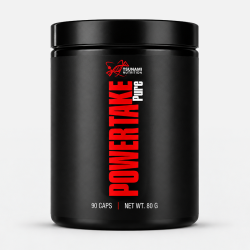
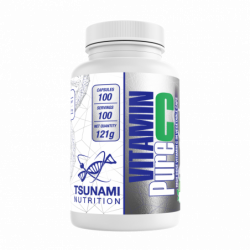
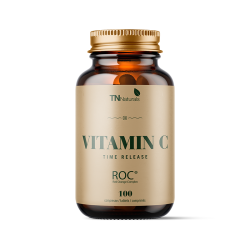
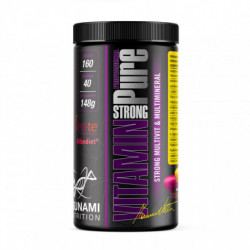
Vitamins, minerals and antioxidants are micronutrients that are very important for the body. Their main functions include combating the effects of free radicals, supporting the immune system, supporting muscle function and improving physical recovery. These include vitamin C, dietary supplements containing magnesium and potassium, and magnesium in the form of bisglycinate. Multivitamin supplements can also prove crucial for the recovery of combat sports athletes, whose bodies – put under strain by intense and frequent training – can benefit from faster and more complete physical recovery: there are specific, comprehensive formulations such as Vitamin Strong Pure Professional, capable of providing all the nutrients necessary for physical and mental wellbeing, recovery and performance, or Power Take Pure Professional, yet another product with a formulation ideal for wrestlers and boxers, based on mushrooms, vitamin C and patented natural extracts, designed to support metabolic processes and provide vigour, concentration and mental and physical wellbeing during all pre-, intra- and post-training phases, as well as during matches.
Frequently Asked Questions
Can dietary supplements improve endurance during a fight?
Dietary supplements can improve endurance during training: creatine and amino acids, in particular, can increase muscle work capacity, boost energy availability and combat feelings of fatigue.
Which dietary supplements are recommended for the recovery phase?
Recommended dietary supplements for muscle recovery include protein powders, L-glutamine and supplements containing minerals, vitamins and plant extracts.
Are there any differences between dietary supplements for MMA and boxing?
There are no substantial differences between the dietary supplements recommended for MMA and boxing: certain aspects are important for fighters in both disciplines, such as recovery and maintaining concentration, but the choice of dietary supplements depends in part on the individual needs of each fighter.