- Health and wellness
- 1215 views
Why cleanse the liver and pancreas
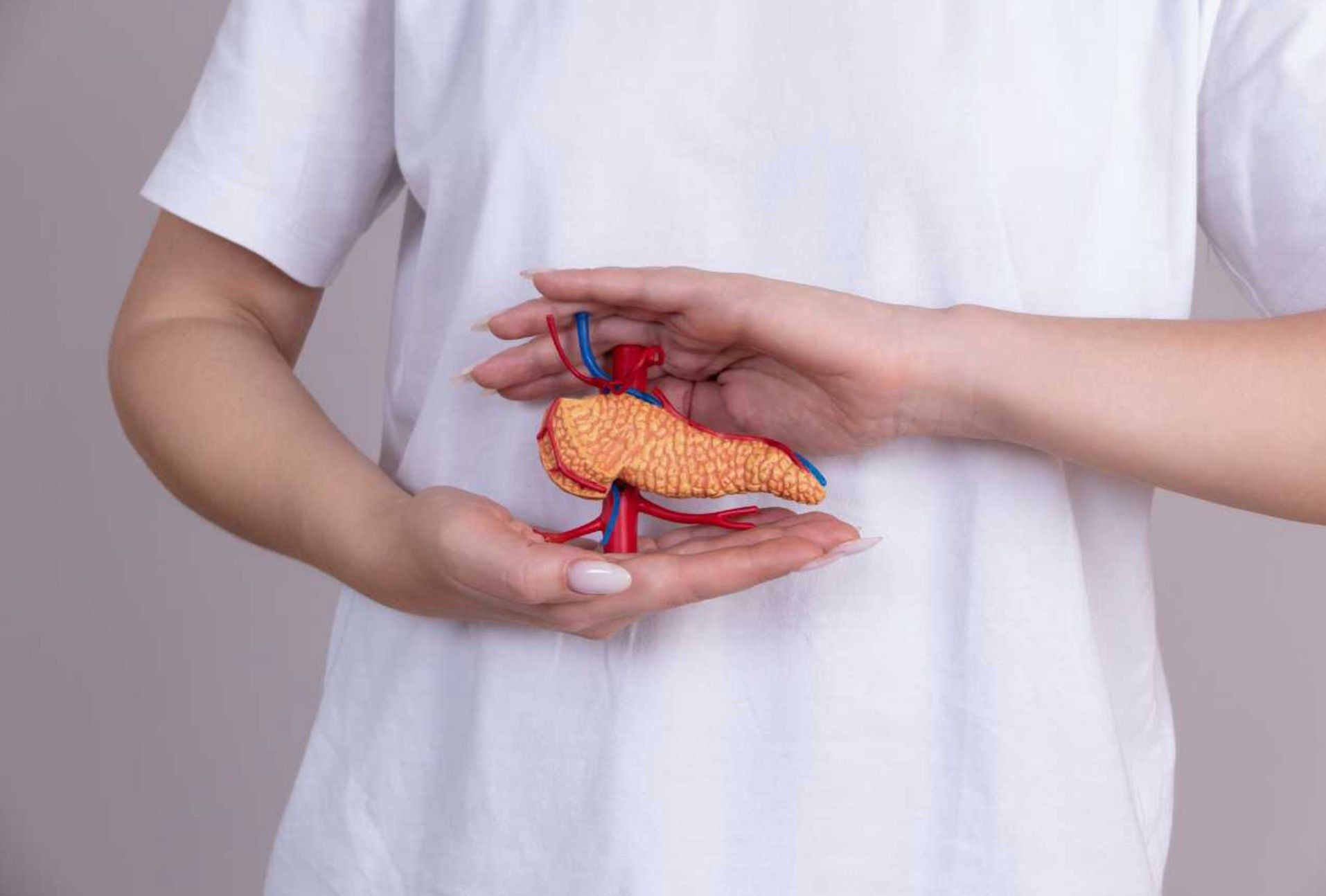
The liver and pancreas work together far moreclosely than one might imagine. On the one hand, the liver filters the blood, metabolises fats, sugars and toxins, and produces the bile needed for digestion. On the other hand, the pancreas produces the enzymes that break down macronutrients and regulates blood sugar levels via insulin and glucagon. When one of them is under strain, the other feels the effects:an inflamed liver impairs the digestion of fats, and a struggling pancreas sends a metabolic imbalance back to the liver, which further overloads it.
The problem is that these two organs accumulate damage without giving any real ‘warning signs’. Neither organ has pain receptors as such, and the signs that something is wrong only become apparent at a late stage: slow digestion, bloating after meals, unexplained tiredness, a dull complexion, and fluctuations in blood sugar levels. By this stage, the strain has already been building up for some time.
Undergoing a detox programme (understood as a period of clean eating, optimised hydration and targeted support) is not a stopgap measure to be resorted to only after overindulgence. It can be seen as part of your regular health management, particularly for those who train regularly and subject their metabolism to intense physical demands. Anyone looking for a practical starting point can browse the ‘liver cleansers’ category in our shop, whilst the ‘liver and kidney wellbeing’ section offers a comprehensive overview of the products available.
A common concern often arises when discussing supplementation in this context: do dietary supplements make the problem worse rather than solve it? The article ‘Are dietary supplements bad for the liver?’ clarifies the issue with precise data. It is also worth considering that a tired pancreas may benefit from the support of exogenousdigestive enzymes, which reduce the gland’s workload during the heaviest meals.
What to eat to cleanse the liver and pancreas
There is no ‘detox’ diet with magical powers, but there is a diet that creates the right conditions for the liver and pancreas to function effectively. The approach is always the same: reduce toxic and inflammatory loads, and increase nutrients that support enzymatic and antioxidant processes.
The properties of apples and lemons
Apples contain pectin, a soluble fibre that forms a gel in the gut, traps toxins and metabolites, and facilitates their elimination before they are reabsorbed. They also containmalic acid, which supports bile production and promotes drainage of the bile duct. For people with a history of fatty liver, adding one apple a day is one of the simplest dietary interventions backed by solid evidence.
Lemon works through a different but complementary mechanism. Lemon juice taken on an empty stomach stimulates the production of gastric juices and bile, preparing the digestive tract before meals. Vitamin C, present in significant quantities, supports the synthesis of glutathione, the liver’s main antioxidant, and the flavonoids in the peel have a documented anti-inflammatory effect. A glass of lukewarm water with the juice of half a lemon in the morning may be enough to reap the benefits.
The benefits of bitter vegetables
Bitter vegetables (red chicory, chicory, dandelion, rocket, artichoke, Jerusalem artichoke, Tuscan black cabbage) contain bitter compounds that stimulate bile production. When the palate detects the bitter flavour, the liver receives a signal to activate bile flow, which improves the digestion of fats and speeds up bowel movements. This is one of the oldest and best-documented mechanisms in traditional medicine, which modern pharmacology confirms.
Artichokes, in particular, contain cynarin, a compound with hepatoprotective and cholagogue effects that have been demonstrated in several clinical studies. Chicory is rich in inulin, a prebiotic fibre that nourishes the gut microbiota, and a healthy microbiota reduces the toxin burden that the liver must eliminate. For those seeking phytotherapeutic support focused on these mechanisms, dandelion extract is one of the most extensively studied options: it combines choleretic, draining and detoxifying effects in a single plant, with a very broad safety profile.
The importance of fibre and whole grains
Fibre is one of the most underestimated nutrients in a detoxification programme.
- Insoluble fibre, found in bran, whole grains and pulses, speeds up bowel movements and reduces the contact time between toxins and the intestinal wall
- Soluble fibre (oats, psyllium, pulses, fruit) binds to bile acids and cholesterol and promotes their elimination in the stools, thereby reducing the workload on the enterohepatic cycle.
This is why switching from refined grains to whole grains is not just a matter of the glycaemic index: on the contrary, it leads to a tangible reduction in the post-meal insulin spike, with direct effects on the pancreas. Every time we consume refined carbohydrates, the pancreas must respond with an insulin spike. Over time, repeated spikes lead to insulin resistance and beta-cell fatigue.
Foods that are harmful to pancreatic health
Among the foods and habits most likely to put the pancreas under strain are:
- Excessive saturated fats, found mainly in processed meats, high-fat cheeses and fried foods, which increase the workload required to digest fats
- Refined sugars and white flour, which cause rapid rises in blood sugar levels and require increased insulin production
- Alcohol, one of the main risk factors for pancreatic health. Heavy or prolonged consumption can promote inflammation and increase the risk of pancreatitis
- Ultra-processed foods, which are often high in added sugars, poor-quality fats and additives, making it harder to maintain a balanced diet
- Sugary drinks, which provide large amounts of simple sugars and can contribute to metabolic disturbances
- Very large meals, which require increased production of digestive enzymes and put extra strain on the pancreas, especially if this habit is repeated over time.
Rather than simply cutting out a single food, the real aim is to maintain a balanced diet, by limiting excesses and spreading meals throughout the day.
Herbal teas and natural remedies to cleanse the pancreas
Herbal medicine for the pancreas and liver has a long history, and modern pharmacology has, for certain plants, confirmed what traditional medicine has been using for centuries.
For example, liquorice root has proven anti-inflammatory properties in the gastrointestinal tract and supports liver function, but it must be used with caution and not over the long term, due to its effect on blood pressure. Ginger stimulates gastric motility, reduces nausea after meals and exerts a systemic anti-inflammatory effect, which results in reduced chronic inflammation in the digestive organs. Turmeric (with its active ingredient, curcumin) has well-documented anti-inflammatory and antioxidant effects; its bioavailability increases in the presence of black pepper, a practical detail to bear in mind.
Milk thistle deserves a chapter of its own. Silymarin, its active ingredient, protects the membranes of liver cells, reduces inflammation and supports the regeneration of liver tissue. Its action also extends to the pancreas by reducing systemic oxidative stress: several studies have observed improvements in exocrine pancreatic function in subjects with fatty liver disease treated with silymarin.
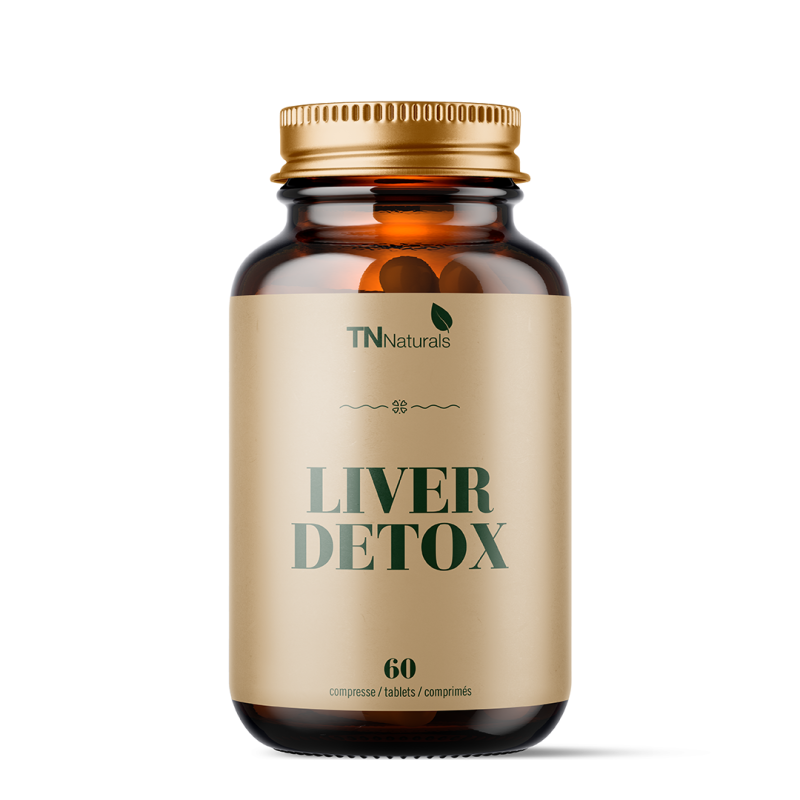
For those seeking comprehensive support across several areas (liver, pancreas and antioxidant defences), Tsunami’s Liver Detox 90is a multi-ingredient formula designed to support liver detoxification in a structured way, combining complementary active ingredients in a course of treatment that is easy to incorporate into your daily routine.
Daily habits to detoxify the liver and pancreas
Diet is the main factor, but not the only one. There are daily habits that directly influence the health of the liver and pancreas, often more than one might imagine.
Hydration comes first: the liver needs water to dilute metabolites. You should aim for at least 2 to 2.5 litres a day, with higher amounts required for those who exercise intensively. Sleep is the second key factor: it is during the night that the liver carries out most of its regenerative work, and poor sleep significantly reduces the organ’s ability to eliminate toxins accumulated during the day.
Regular physical activity improves insulin sensitivity, meaning that the pancreas needs to produce less insulin for the same amount of glucose, and reduces the build-up of visceral fat, which is directly linked to fatty liver disease and pancreatic inflammation.
There’s no need to exercise for hours every day: 30 to 40 minutes of moderate activity 4 to 5 times a week produces measurable effects on metabolic markers within a few months.
As for supplementation, people with unstable blood sugar levels or a diet high in carbohydrates may benefit from berberine: this plant alkaloid acts on AMPK receptors, reducing hepatic glucose production and improving the insulin response. The practical result is reduced strain on the pancreas during carbohydrate-rich meals and stabilisation of postprandial blood glucose levels, which, over time, reduces the risk of insulin resistance.
Frequently Asked Questions
Is honey bad for the pancreas?
It depends on the context. Honey consists of approximately 75–80 per cent simple sugars, mainly fructose and glucose. For someone with healthy pancreatic function who consumes honey in moderate quantities as a substitute for refined sugar, the impact is minimal, and in some varieties the antioxidant compounds in raw honey may have a marginally positive anti-inflammatory effect.
The problem arises when we’re talking about high doses, frequent consumption, or a pancreas that is already compromised. In the presence of pancreatitis, type 1 or 2 diabetes, ordiagnosed insulin resistance, honey should be treated like any other simple sugar. People experiencing frequent fluctuations in blood sugar levels, or wishing to protect the function of pancreatic beta cells in the long term, may find more structured support strategies for managing blood sugar levels.
How can an inflamed pancreas be treated?
Acute pancreatitis is a medical emergency requiring hospitalisation: it is not a condition that can be managed at home with herbal teas. The classic symptoms (severe pain in the epigastric region radiating to the back, nausea and vomiting, fever) require immediate medical assessment.
In the case of chronic pancreatitis or a diagnosed mild inflammation, diet is the cornerstone of management: a diet low in saturated fats, complete avoidance of alcohol, and small, frequent meals to reduce peaks in enzyme activity. Digestive rest (i.e. periods during which calorie intake is reduced and easily digestible foods are favoured) helps to reduce inflammation. Exogenous digestive enzymes are often prescribed to reduce the burden on the pancreas. As for dietary supplements, those with a systemic anti-inflammatory effect (curcumin, omega-3, berberine) can support the process, but should always be discussed with the doctor managing the case.
What are the four foods that cleanse the liver?
Among the foods that cleanse the liver, the first isgarlic: it contains allicin and sulphur compounds that activate phase II liver detoxification enzymes, which are responsible for neutralising and excreting fat-soluble toxins. The second is beetroot: the betalains that give it its colour have a documented antioxidant and anti-inflammatory effect and support bile flow. The third is grapefruit: naringin, a flavonoid present in significant quantities, reduces fat accumulation in the liver and protects liver cells from oxidative stress. The fourth are dark green leafy vegetables (spinach, rocket, Tuscan black cabbage), which provide chlorophyll, folates and bitter compounds that stimulate bile production and support detoxification.
To these can be added the support provided by glutathione, the most important endogenous antioxidant for the liver. Anyone wishing to learn more about how to choose the most effective form of supplementation will find a practical guide in the article on the best glutathione supplement.
What is the best detoxifier for the pancreas?
When it comes to the best detoxifier for the pancreas, there is no single substance that could be labelled ‘the pancreas detoxifier’: the pancreas does not function in exactly the same way as the liver; it does not accumulate toxins in the same manner, and protecting it mainly involves reducing metabolic stress and chronic inflammation. That said, certain nutraceutical options stand out due to a stronger body of evidence.
Curcumin has anti-inflammatory effects on the pancreas, as documented in several studies. Berberine reduces the insulin load by protecting beta cells over the long term. Milk thistle, by reducing liver inflammation, indirectly eases the burden on the pancreas. For those seeking an integrated approach covering both the liver and the pancreas in a single protocol, Tsunami’s Liver Detox 90 tablets is one of the most comprehensive solutions available, with a formula designed to support detoxification and the antioxidant function of the digestive organs. One final point is worth clarifying: the article on whether collagen is bad for the liver addresses a common question amongst people following high-protein diets during a detox programme, distinguishing between well-founded concerns and those that are not.