- Health and wellness
- 758 views
The role of iodine in the body
Iodine is an essential trace element that the body cannot produce itself: it must be obtained entirely from the diet. The quantities involved are minute (a few tens of micrograms per day) but their importance is disproportionate to their weight.
Its main function in the body is unique: iodine contributes to the normal production of thyroid hormones and the normal functioning of the thyroid gland. It also contributes to normal energy metabolism, the normal functioning of the nervous system, normal cognitive function and the maintenance of normal skin.
Almost all the iodine present in the body is concentrated in the thyroid gland, which actively takes it up from the blood to produce its hormones. No other nutrient has such an exclusive role.
Iodine and the thyroid hormones T3 and T4
The link between iodine and the thyroid is not indirect: iodine is a structural component of thyroid hormones. Indeed, their names explicitly reflect this.
- T4 (thyroxine) contains four iodine atoms. This is the storage form, produced mainly by the thyroid.
- T3 (triiodothyronine) contains three. This is the active form, the one that acts on the cells.
Without iodine, the thyroid gland is therefore physically unable to produce its hormones. Yet these hormones regulate the metabolism of every cell in the body: body temperature, resting energy expenditure, heart rate, brain function and growth.
Furthermore, the conversion of T4 to T3 depends on enzymes that require selenium to function. This is why these two minerals are so often discussed together, as detailed in our article on zinc and selenium for the thyroid.
Recommended intakes of iodine
The nutritional reference value established by ANSES for adults is 150 µg per day. Requirements increase significantly during pregnancy and breastfeeding, periods when the neurological development of the foetus and infant depends directly on the mother’s iodine status.
The upper safe limit set by EFSA for adults is 600 µg per day. The range between the recommended intake and this limit is therefore narrow, considerably narrower than for most vitamins. This has practical implications, as we shall see later.
The foods richest in iodine
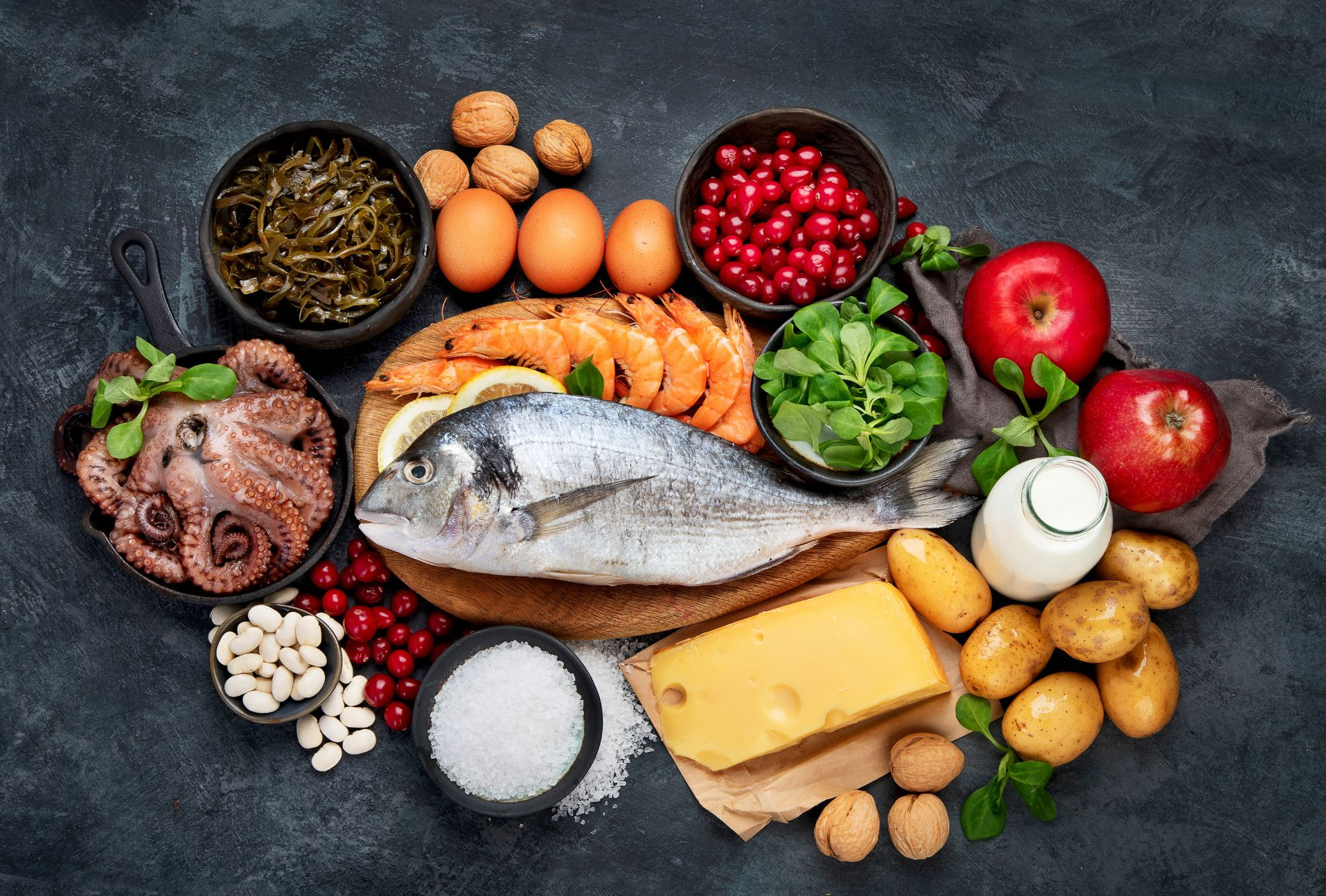
The iodine content of foods depends primarily on one factor: their proximity to the sea. This is where iodine is naturally concentrated, and seafood is therefore the richest source.
These figures are indicative averages. Variability is particularly significant here: the iodine content of the same foodstuff can vary by a factor of ten depending on its origin, soil type, animal feed and processing methods.
The special case of seaweed
Seaweed warrants special consideration, as it is both the richest source of iodine and the main cause for concern. Certain types of seaweed, particularly kombu, contain such high levels of iodine that a single portion can exceed the upper safe daily limit several times over.
This is not merely a theoretical precaution: there are documented cases of thyroid dysfunction linked to regular consumption of seaweed or seaweed-based supplements. If you do consume them, do so only occasionally and in small quantities, and avoid them if you have a known thyroid condition or are pregnant.
Iodised salt: a discreet but effective measure
The fortification of table salt with iodine is the public health measure that has reduced iodine deficiency in many countries. Its iodine content by weight is high, but as the quantities consumed are small, its contribution remains moderate and well distributed – which is precisely the point.
There are, however, two caveats. The iodine in salt breaks down when exposed to heat and light: it is best to add salt at the end of cooking and keep the packet sealed. Furthermore, the trendy unrefined salts (pink salt, fleur de sel, black salt) are generally not iodised, meaning you miss out on this benefit without even realising it.
Iodine deficiency: symptoms and consequences
An insufficient intake forces the thyroid to work harder to absorb the little iodine available. This prolonged strain leads to an enlargement of the thyroid, known as a goitre, which is the classic sign of iodine deficiency.
Other symptoms are those of an underactive thyroid:
- persistent tiredness and sensitivity to the cold
- unexplained weight gain and a slowed metabolism
- dry skin, brittle hair and nails
- difficulty concentrating and memory problems
- constipation
- swelling at the base of the neck
The most serious situation concerns pregnancy: maternal iodine is essential for the development of the foetus’s nervous system, and a severe deficiency can have irreversible consequences for the child’s cognitive development. This is why antenatal care pays close attention to this factor.
These symptoms largely overlap with those of other deficiencies. Fatigue, sensitivity to the cold and difficulty concentrating may just as easily indicate a deficiency in iron, vitamin B12 or vitamin D. Only a blood test, prescribed by a doctor, can provide a definitive diagnosis.
Excess iodine: when too much becomes a problem
This is what sets iodine apart from most other minerals, and it is worth understanding. An excess of iodine can disrupt the thyroid just as much as a deficiency, and, depending on the case, cause the gland to function either excessively or insufficiently.
This phenomenon is explained by a protective mechanism: when faced with a massive influx of iodine, the thyroid temporarily halts its own hormone production. In a healthy person, this halt is reversed. In someone whose thyroid is already compromised, it may persist.
Conditions requiring particular attention:
- Hashimoto’s thyroiditis and autoimmune thyroid disorders, where excess iodine can worsen damage to the gland
- thyroid nodules, which may become overactive
- ongoing thyroid treatments, the balance of which may be disrupted
- regular consumption of seaweed or seaweed-based supplements
If you have a known thyroid condition, do not alter your iodine intake without consulting your doctor or endocrinologist. This is the scenario where self-medication is most risky, because acting on intuition (‘I have a thyroid problem, so I’ll take iodine’) can make the situation worse. Our ‘thyroid health’ range offers formulations designed to support you under professional guidance.
Iodine, selenium and zinc: the thyroid trio
Iodine does not work alone. The proper functioning of the thyroid depends on three minerals whose roles are complementary and not interchangeable.
- Iodine is the building block of the T3 and T4 hormones. Without it, nothing is produced.
- Selenium enables the conversion of T4 into active T3 and protects the gland from oxidative stress generated by hormone synthesis.
- Zinc plays a part in hormonal signalling and in the cells’ sensitivity to thyroid hormones.
An adequate intake of iodine combined with a selenium deficiency therefore produces an incomplete result: the raw material is there, but activation does not follow. This explains why these three minerals are so often discussed together – a topic covered in detail in our article on the benefits of zinc and selenium for the thyroid.
For a broader overview of micronutrients and their synergies, our guide to the best vitamin and mineral supplements helps you put together a well-rounded regimen.
Frequently Asked Questions
Which food is richest in iodine?
Dried seaweed is by far the food richest in iodine, with levels that far exceed those of all other foods. This is precisely what makes it tricky to consume: a single portion of kombu can exceed the upper safe daily limit several times over.
Among commonly consumed foods, white fish (cod, haddock) and shellfish are the richest sources, containing around 100 to 130 µg per 100 g. A single portion alone meets an adult’s daily recommended intake.
How can you tell if you’re deficient in iodine?
Symptoms alone are not enough. Fatigue, sensitivity to the cold, weight gain and difficulty concentrating may suggest an underactive thyroid, but they could just as easily be caused by a deficiency in iron, vitamin B12 or vitamin D.
The only reliable way to find out is to have a thyroid assessment prescribed by a doctor, including tests for TSH and thyroid hormones. However, swelling at the base of the neck is a sign that warrants an immediate consultation.
Should you take an iodine supplement?
In most cases, no. A diet that regularly includes fish, dairy products, eggs and iodised salt generally meets the requirements of an adult in France.
Iodine supplementation is justified in specific situations (pregnancy, breastfeeding, or a diet that completely excludes seafood and dairy products) and should always be undertaken on medical advice. As the margin between the recommended intake and the safety limit is narrow, this is not a mineral to be taken lightly.
Does iodine help you lose weight?
No, iodine does not help you lose weight. This is a common misconception, arising from the fact that thyroid hormones regulate the basal metabolic rate: it is mistakenly assumed that increasing iodine intake would boost energy expenditure.
This reasoning does not hold water. In a person with an adequate intake, adding more iodine does not further stimulate the thyroid; the gland uses only what it needs, and no more. An excess does not speed anything up and may, on the contrary, disrupt thyroid function.
Are vegetarians and vegans at risk of a deficiency?
The risk is real, particularly for those following a vegan diet. The main sources of iodine are seafood and dairy products, both of which are excluded from a strictly plant-based diet.
There are two options: iodised salt – provided you check the label on the packaging – and seaweed, which should be consumed with due caution given its variability. For people on these diets, a medical assessment and advice on whether supplementation is advisable are particularly justified.
Iodine is an essential mineral required in very small quantities, and an excess of it causes just as many problems as a deficiency. Fish, shellfish, dairy products, eggs and iodised salt are generally sufficient to meet requirements. If you have a known thyroid condition, discuss your intake with your doctor before making any changes, and explore the specialised formulations in our Tsunami Nutrition thyroid assessment category.