
Biotin for Hair: Does It Cause Weight Gain? What Is It Used for and What Are Its Contraindications?
Biotin, also known as vitamin B7 or vitamin H, is a micronutrient belonging to the group of water-soluble vitamins. It is involved in several metabolic processes and contributes to the maintenance of normal hair. For this reason, it is often included in supplements designed to support hair health, particularly formulations intended to address brittleness and thinning. One of the most common questions concerns the relationship between biotin and body weight, as well as the results that can be expected before and after a course of supplementation. To answer this, it is necessary to distinguish the biological functions of the vitamin from the properties attributed to supplements, while also considering dosages and precautions for use.

Does Vitamin K2 Cause Weight Gain? Foods That Contain It, Dosage and Contraindications
Vitamin K2, also known as menaquinone, is a form of vitamin K involved in several important processes in the body, including normal blood clotting and the maintenance of bone health. It is found mainly in certain fermented foods and animal-derived products, but it can also be taken through specific supplements. In recent years, interest in this nutrient has also grown in relation to metabolism and body composition.

Folic acid: what vitamin is it? What is it used for and where is it found?
Folic acid is a form of vitamin B9, a water-soluble nutrient belonging to the B vitamin group. It is essential for numerous processes in the body, including DNA synthesis, cell division and red blood cell formation. Its presence is particularly important during pregnancy, when it contributes to the proper development of the fetal nervous system. Vitamin B9 occurs naturally in various foods, especially green leafy vegetables, legumes and certain fruits. However, the term folic acid does not refer to all forms of vitamin B9: it is important to distinguish this form from those found in foods and from other compounds used in supplements. Let's take a look at what vitamin folic acid is, what it is used for and its main dietary sources.

Sunlight and Vitamin D: Benefits, Proper Exposure and Requirements in Older Adults
Sunlight is one of the main natural sources of vitamin D, an essential nutrient for calcium metabolism and the maintenance of bone health. When the skin is exposed to ultraviolet B (UVB) rays, the body can begin producing vitamin D3, helping to meet daily requirements. However, the amount produced varies according to several factors, including the season, time of day, latitude, skin type and age. As we get older, the skin's ability to produce vitamin D decreases, and spending less time outdoors can increase the risk of insufficient levels. Let's take a look at the benefits of sunlight, how to get appropriate exposure and what precautions older adults should take.

Vitamin B12: How Long Should You Take It? How and When to Take It
Vitamin B12, or cobalamin, is an essential micronutrient for the proper functioning of the nervous system, red blood cell formation and normal energy metabolism. The body cannot produce it independently, so it must be obtained through the diet or, when necessary, through supplements. In this guide, we look at how long a supplementation course may last, when to take vitamin B12, how long it takes to work and how to interpret elevated levels in blood tests.
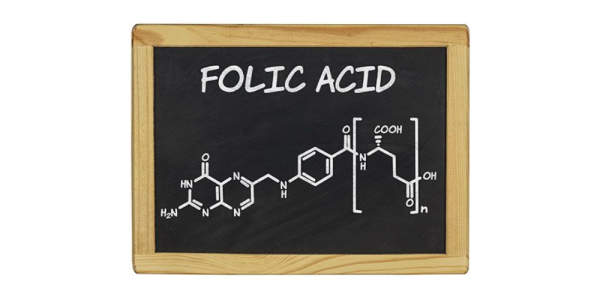
Folic Acid and Vitamin B9: Structure, Functions and Differences
Folic acid and vitamin B9 are closely related, but they do not refer to exactly the same thing. Vitamin B9 includes several forms of folate, which occur naturally in foods, whereas folic acid is the synthetic form used in supplements and fortified foods. This water-soluble micronutrient plays an essential role in DNA synthesis, cell division and red blood cell formation. In this article, we take a closer look at the chemical structure of folic acid, its main functions in the body and the differences between natural folates and the forms used in supplements.

How to Supplement Vitamin D: Diet, Sunlight and Supplements
Vitamin D is an essential fat-soluble nutrient for maintaining normal bones and teeth, normal muscle function and the normal function of the immune system. Unlike many other vitamins, it can be produced directly by the body when the skin is exposed to the ultraviolet B (UVB) rays in sunlight. Diet also contributes to vitamin D intake, although relatively few foods contain significant amounts. When sun exposure is limited or the diet does not provide sufficient quantities, supplementation may need to be considered. Let's look at which foods to prioritise, what plant-based sources of vitamin D are available and when taking a supplement may be useful.
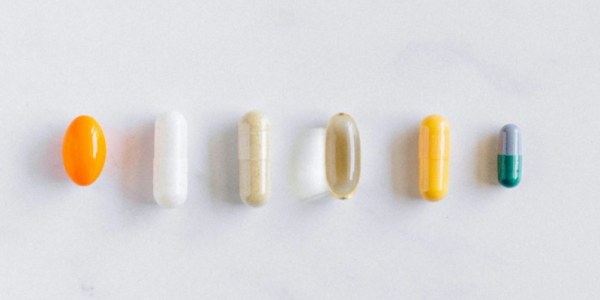
The 6 Best Vitamin D Supplements for Adults
Vitamin D is an essential fat-soluble nutrient involved in several functions in the body. It contributes to the normal absorption and utilisation of calcium and phosphorus, the maintenance of normal bones and teeth, normal muscle function and the normal function of the immune system. The body can produce it through skin exposure to sunlight, but certain foods also contribute to vitamin D intake. When sun exposure is limited or dietary intake is insufficient, supplementation may be worth considering, especially in the presence of risk factors or a confirmed deficiency.
How to Take Vitamin D Drops: What Time to Take Them and Recommended Dosage
Vitamin D drops are a practical formulation that allows you to take this nutrient in measured amounts that can be easily adapted to different needs. As a fat-soluble vitamin, its absorption may be enhanced when taken with a meal containing fat, although the recommended method may vary depending on the product's composition. In this guide, we look at how to take vitamin D drops correctly, the most suitable time of day and the reference dosages to consider for adults, menopausal women and newborns.