Vitamin D3 K2: What Is It Used For? Dosage, When to Take It and Contraindications
The combination of vitamin D3 and vitamin K2 is often recommended to support bone health and proper calcium metabolism. These two vitamins perform complementary functions: vitamin D contributes to the absorption and utilisation of calcium and phosphorus, while vitamin K is involved in activating certain proteins that play a role in bone mineralisation and the regulation of calcification processes. This combination has attracted particular interest because of its potential role in maintaining skeletal and cardiovascular health. Let's look at what vitamin D3 K2 is used for, the recommended daily intake, when to take the supplement and which precautions to consider before choosing a product.

Does Vitamin B12 Cause Weight Gain? Does It Help You Lose Weight, What Is It Used For and When Should You Supplement It?
Vitamin B12, also known as cobalamin, is an essential micronutrient involved in energy metabolism, red blood cell formation and the proper functioning of the nervous system. Because of its role in nutrient conversion and energy production, it is sometimes associated with weight management and weight loss. Although it plays an important role in metabolism, taking more than the body needs does not automatically speed up calorie burning or promote fat loss. A deficiency can cause tiredness, weakness, loss of appetite and other symptoms that affect everyday wellbeing. Let's take a look at what vitamin B12 does, how it relates to body weight and when supplementation may be useful.
Vitamin B5: What Is It Used For? Foods That Contain It and Signs of Deficiency
Vitamin B5, also known as pantothenic acid, is a water-soluble vitamin belonging to the B-complex group. It is found in many foods and plays an important role in the metabolism of carbohydrates, proteins and fats, contributing to the processes through which the body obtains energy from nutrients. In addition to its metabolic function, vitamin B5 is often associated with skin and hair health. It is also used in the form of panthenol in many cosmetic products, such as creams, lotions and shampoos. However, it is important to distinguish between the effects of dietary intake and those of topical application.
Vitamin D3 and K2: Daily Dosage, Why to Take Them, How Long to Use Them and Side Effects
Vitamin D3 and vitamin K2 are two fat-soluble micronutrients involved in physiological processes that are important for bone health and calcium metabolism. The former promotes the intestinal absorption of calcium and phosphorus, while the latter contributes to the activation of certain proteins involved in blood clotting and bone metabolism. For this reason, they are often combined in dietary supplements. Their combined use has attracted the interest of people who wish to support skeletal health, particularly when vitamin D intake is insufficient or specific nutritional needs are present. However, not everyone needs to take vitamin D3 and K2 together, and the daily amount should be assessed according to age, diet, nutritional status and any existing health conditions.

B Vitamins: Contraindications, Side Effects and High B12 Levels
B vitamins are a group of water-soluble micronutrients involved in numerous bodily functions, including energy metabolism, nervous system function and blood cell formation. Although they are generally well tolerated when taken in appropriate amounts, unnecessary supplementation or the use of excessive doses may cause certain unwanted effects that can affect the liver, kidneys or blood system. For this reason, test results should be interpreted alongside other clinical parameters.

Folate: What It Is, What It Does and Foods Rich in Folate
Folate, also known as vitamin B9, is an essential nutrient belonging to the group of water-soluble vitamins. It is found mainly in green leafy vegetables, legumes and various other plant-based foods. The body needs it to perform essential functions, including DNA synthesis, cell division and red blood cell formation. An adequate folate intake is important at every stage of life, but it plays a particularly important role during pregnancy, when it contributes to the normal development of the fetal nervous system.

Excess Vitamin D: Side Effects, Causes and How to Eliminate It
Vitamin D is a fat-soluble nutrient essential for the normal absorption of calcium and phosphorus. It contributes to the maintenance of normal bones and the normal function of the immune system. Despite its importance to the body, excessive and prolonged intake can cause unwanted effects. Hypervitaminosis D is a condition generally associated with taking excessively high doses of supplements, especially when several products containing vitamin D are used without considering the total intake. The accumulation of this vitamin can cause an increase in blood calcium levels, a condition known as hypercalcemia, which can affect various organs, particularly the kidneys and digestive system.

The 6 Best Biotin Supplements for Hair
Biotin, also known as vitamin B7 or vitamin H, is a micronutrient belonging to the B-vitamin group. It is involved in energy metabolism and contributes to the maintenance of normal hair and skin. For this reason, it is often included in food supplements formulated to support hair health, either on its own or combined with other nutrients and specific ingredients. It is also important to consider the overall composition, the presence of complementary vitamins and minerals, and individual nutritional needs.
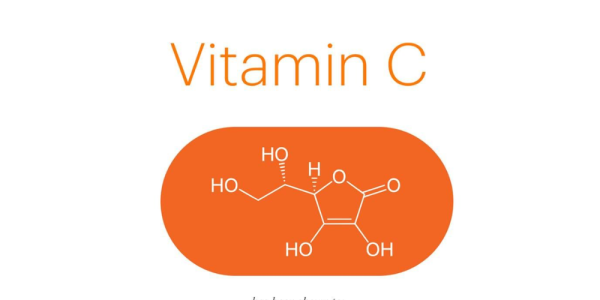
Vitamin C: Contraindications, Side Effects and Liposomal Formulation
Vitamin C, also known as ascorbic acid, is an essential nutrient involved in the normal function of the immune system, collagen formation and the protection of cells against oxidative stress. It is found mainly in fruit and vegetables and is also available as a supplement in different concentrations and formulations. Although it is generally well tolerated, excessive intake may cause certain problems, particularly gastrointestinal discomfort. The chosen formulation, such as liposomal vitamin C or a combination with zinc, also deserves consideration.