- Health and wellness
- 1043 views
The liver’s ability to regenerate after alcohol consumption
The liver has a remarkable ability to recover. Provided the damage has not yet become permanent and the right conditions are in place, it can repair some of the tissue and gradually return to functioning more effectively. This obviously does not mean that it is indestructible: high amounts of alcohol and prolonged consumption can seriously compromise liver health.
The problem is that alcohol-related damage often shows few warning signs. When metabolising ethanol, the body producesacetaldehyde, a toxic substance that promotes oxidative stress and inflammation in liver cells. Over time, this can lead to fatty liver disease, alcoholic hepatitis and, in the most advanced cases, cirrhosis. In the early stages, the condition can improve by reducing or stopping alcohol consumption and making lifestyle changes. However, once structural damage has occurred, medical supervision is essential.
In cases of occasional drinking or a limited period of excessive consumption, the liver can recover well. However, this requires time, abstinence from alcohol, a balanced diet and more regular habits.
How long does it take to detoxify the liver from alcohol?
Firstly, it is important to note that there is no set timeframe that applies to everyone. Recovery depends on the amount of alcohol consumed, the duration of the period of heavy drinking, general health and whether there are any pre-existing liver problems. However, it is possible to identify some indicative guidelines.
The 30–70-day recovery process
Following a period of heavy but non-chronic drinking, the first signs of improvement may appear within weeks of stopping alcohol. Digestion, energy levels and sleep quality, for example, may begin to improve, whilst certain liver function test results may gradually improve.
Between 30 and 60 days, with abstinence, a balanced diet and a regular lifestyle, recovery may become more pronounced. In the absence of structural damage, certain values may return to normal within a few weeks; however, in the presence of fatty liver or more pronounced abnormalities, several months may be required. The actual timeframe must always be assessed through blood tests and medical advice.
Limitations and realities of a 3-day detox
Three days are not enough to repair a liver weakened by alcohol. Over this period, the body can eliminate residual alcohol and begin to regain a better balance, but tissue recovery takes longer.
That does not, however, mean that these first 72 hours are pointless. Stopping drinking, drinking water regularly, eating simple meals and getting plenty of rest are an excellent starting point. True recovery, however, takes time and cannot be achieved through a quick detox.
Symptoms and signs of alcohol-induced liver damage
The liver can sustain damage without causing any obvious symptoms in the early stages. This is why certain signs are easily mistaken for simple tiredness, indigestion or stress.
Symptoms that may appear after heavy or prolonged alcohol consumption include persistent tiredness, nausea, sluggish digestion, loss of appetite and discomfort in the upper right-hand side of the abdomen. However, signs such as yellowish skin or eyes, very dark urine, pale stools, swelling of the legs or a distended abdomen require prompt medical attention.
If symptoms persist, it is advisable to consult a doctor andconsider tests such as ALAT, ASAT, GGT and bilirubin. The use of dietary supplements also warrants attention: the article on whether dietary supplements are bad for the liver explains which risks are genuine and which depend mainly on dosage, product quality and individual circumstances.
How to cleanse the liver of alcohol naturally and quickly
Recovery begins with stopping alcohol. Without this step, diet and supplements cannot do much. Once alcohol consumption has stopped, a balanced diet, regular sleep and good hydration help the body gradually regain its balance. The liver cleansers category in the Tsunami shop features products designed to support normal liver function as part of an already healthy lifestyle.
Diet and natural remedies for liver health
When it comes to your diet, it’s best to cut down on fried foods, saturated fats, added sugars and ultra-processed foods. It’s better to make room for vegetables, fruit, whole grains, pulses and high-quality sources of protein. Garlic, onions, broccoli and beetroot provide fibre and plant compounds, whilst avocados and nuts supply beneficial unsaturated fats as part of a balanced diet.
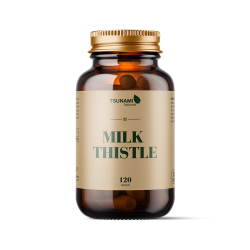
Milk thistle is one of the most commonly used supplements for liver support. Silymarin, its main active compound, is being studied for its antioxidant properties and for supporting liver function. Standardised extracts allow for a more precise measurement of the amount consumed, compared to a simple herbal tea.
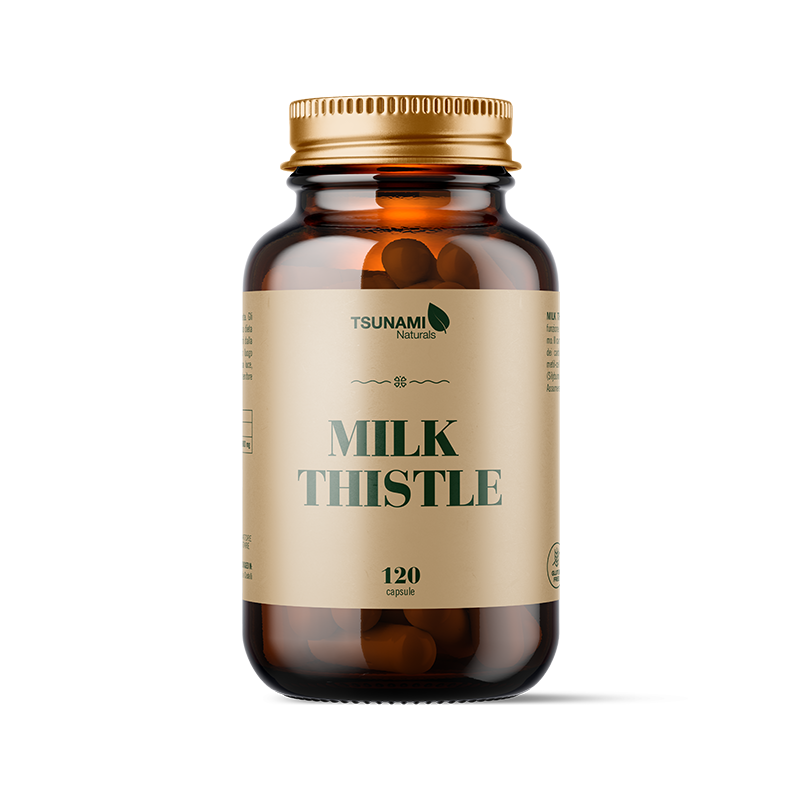
Tsunami’s Milk Thistle – 120 capsules is formulated for continuous use, in accordance with the instructions on the label.
Glutathione is also frequently included in formulations designed to support liver health, thanks to its role in the body’s antioxidant systems.
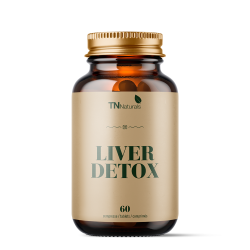
Tsunami’s Liver Detox 90 tablets combines several ingredients in a unique formula, designed to support normal liver function.
Specific glutathione-based formulations are also available: the guide to the 5 best glutathione supplements helps you make sense of them. To explore the link between supplementation and liver health in more depth, the article ‘Is collagen bad for the liver? ’ helps to address the most common concerns.
Practical tips to support daily detoxification
As well as diet, certain habits can help the liver recover after a period of heavy alcohol consumption:
- Stay well hydrated by drinking regularly throughout the day. For most adults, around 2 to 2.5 litres of water a day is a good guideline, to be adjusted according to body size, climate and level of physical activity
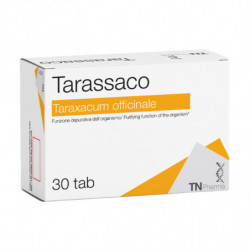
- Consider taking dandelionsupplements, traditionally used to support digestive function and the drainage of fluids
- Get enough sleep to support the body’s natural recovery processes
- Take part in moderate physical activity, such as walking or light exercise, whilst avoiding overexertion during the early stages of recovery
- Avoid alcohol and limityour intake of fried, very sugary and ultra-processed foods
- Be careful with medication: after heavy alcohol consumption, paracetamol should only be taken on the advice of a healthcare professional.
Frequently asked questions
How long does it take the body to completely eliminate alcohol?
Alcohol in the blood is eliminated relatively quickly, but the body’s recovery may take longer. After a period of excessive drinking, it may take a few weeks for sleep, digestion, energy levels and liver function to improve. If fatty liver disease or more serious damage is present, the recovery process can take several months and must be monitored by a doctor.
How can you support your liver’s recovery after a hangover?
After a hangover, the first steps are simple: stop drinking alcohol, drink plenty of fluids, rest and choose light, easily digestible meals. In the hours that follow, you should avoid self-medicating with medicines or supplements, especially if you are experiencing severe nausea, vomiting, confusion or other significant symptoms. If the discomfort persists or worsens, you should seek medical advice.
What medicines are recommended for alcoholic fatty liver disease?
Alcoholic fatty liver disease must not be treated through self-medication. Stopping alcohol consumption is the first step, whilst any medication must be prescribed by a doctor based on test results and the individual’s specific situation. Milk thistle in the form of Siliphos may be considered as a nutraceutical supplement, but it is no substitute for treatment or clinical monitoring. The section of our shop dedicated to liver and kidney wellbeing brings together products designed to support a healthy lifestyle.
What happens in the body when you stop drinking alcohol?
The first changes may become apparent within days of stopping alcohol. Sleep may become more regular, digestion may improve and bloating may decrease. In the weeks that follow, energy levels and concentration may increase, whilst certain liver function test results may begin to fall. After a few months, provided there is no permanent damage, your overall health may improve significantly. Results do, however, vary from person to person and, in cases of regular consumption or dependence, stopping should be supervised by a doctor.