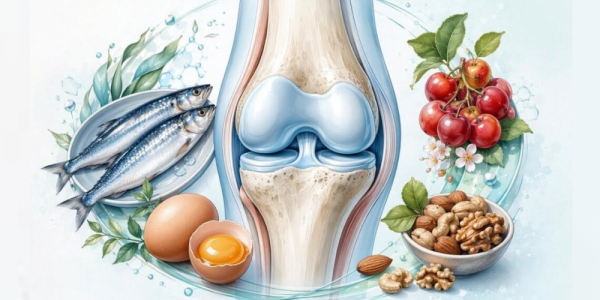
Vitamin D3 and K2: Should They Be Taken Together or Separately? When to Take Them, Dosage and Duration
Vitamin D3 and vitamin K2 are two fat-soluble nutrients involved in physiological processes related to calcium metabolism and the maintenance of bone health. For this reason, they are often combined in supplements, but they do not always need to be taken together: the choice depends on individual needs and whether supplementation with one or both nutrients is necessary. One of the most common questions concerns whether the two vitamins compete for absorption or whether vitamin D3 must necessarily be accompanied by K2. To make an informed choice, it is useful to understand their respective functions, the most suitable time of day to take them, recommended amounts and the duration of supplementation.
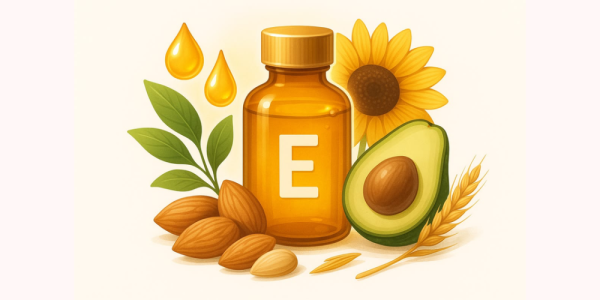
Vitamin E: Does It Have Any Contraindications? Risks of Excess Intake and the Correct Dosage
Vitamin E is a fat-soluble nutrient that helps protect cells against oxidative stress. It is naturally found in various foods, particularly vegetable oils, nuts and seeds, and can also be obtained through specific supplements. Although it is essential for the proper functioning of the body, excessive intake, especially through high-dose supplements, can involve certain risks. It is therefore important to understand the appropriate daily intake, distinguish nutritional requirements from supplement dosages, and avoid automatically considering prolonged use of high amounts to be safe.

Vitamin K2: How Long to Take It, When and How to Take It, and Combining It with Vitamin D3
Vitamin K2 is involved in the activation of proteins that participate in blood clotting and bone tissue metabolism. When considering supplementation, it is important to take into account not only the amount consumed, but also the duration, formulation and any ongoing drug treatments. There is no standard course that applies to everyone: the period of use depends on dietary habits, individual needs and the reason for choosing a supplement. Combining it with vitamin D3 may also be considered in certain formulations, but this is not necessary for the entire population.

Vitamin D3: When to Take It, How to Use It, Dosage and Contraindications
Vitamin D3, or cholecalciferol, helps the body absorb and use calcium and phosphorus, while also supporting the maintenance of normal bones and teeth and normal muscle function. To make proper use of its role, it is important to understand when to take it, how to space out doses and which precautions to follow. There is no single supplementation schedule that works for everyone: requirements depend on age, diet, sun exposure and any conditions that affect vitamin D levels. The choice between daily intake and more widely spaced doses should also be assessed according to individual needs.

Biotin for Hair: Does It Cause Weight Gain? What Is It Used for and What Are Its Contraindications?
Biotin, also known as vitamin B7 or vitamin H, is a micronutrient belonging to the group of water-soluble vitamins. It is involved in several metabolic processes and contributes to the maintenance of normal hair. For this reason, it is often included in supplements designed to support hair health, particularly formulations intended to address brittleness and thinning. One of the most common questions concerns the relationship between biotin and body weight, as well as the results that can be expected before and after a course of supplementation. To answer this, it is necessary to distinguish the biological functions of the vitamin from the properties attributed to supplements, while also considering dosages and precautions for use.

Does Vitamin K2 Cause Weight Gain? Foods That Contain It, Dosage and Contraindications
Vitamin K2, also known as menaquinone, is a form of vitamin K involved in several important processes in the body, including normal blood clotting and the maintenance of bone health. It is found mainly in certain fermented foods and animal-derived products, but it can also be taken through specific supplements. In recent years, interest in this nutrient has also grown in relation to metabolism and body composition.
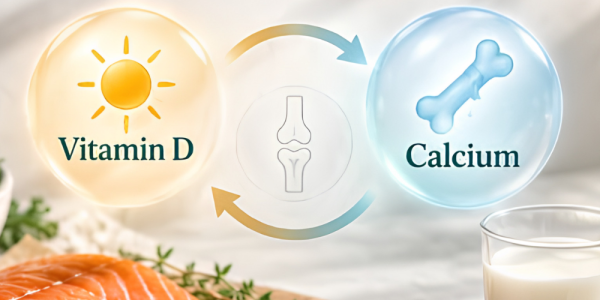
Table of foods rich in calcium and vitamin D: what are the best sources?
Calcium and vitamin D are two essential nutrients for maintaining bone health. Calcium is the main mineral found in the skeleton and contributes to the structure of bones and teeth, while vitamin D promotes the normal absorption and utilisation of calcium and phosphorus. For this reason, ensuring an adequate intake of both nutrients through diet is important at every stage of life. However, not all foods contain significant amounts of both nutrients: milk and dairy products are generally rich in calcium, while oily fish and eggs are among the main dietary sources of vitamin D. Let's look at the most interesting foods, with a table of nutritional values and some tips for including them in a varied and balanced diet.

Folic acid: what vitamin is it? What is it used for and where is it found?
Folic acid is a form of vitamin B9, a water-soluble nutrient belonging to the B vitamin group. It is essential for numerous processes in the body, including DNA synthesis, cell division and red blood cell formation. Its presence is particularly important during pregnancy, when it contributes to the proper development of the fetal nervous system. Vitamin B9 occurs naturally in various foods, especially green leafy vegetables, legumes and certain fruits. However, the term folic acid does not refer to all forms of vitamin B9: it is important to distinguish this form from those found in foods and from other compounds used in supplements. Let's take a look at what vitamin folic acid is, what it is used for and its main dietary sources.

Sunlight and Vitamin D: Benefits, Proper Exposure and Requirements in Older Adults
Sunlight is one of the main natural sources of vitamin D, an essential nutrient for calcium metabolism and the maintenance of bone health. When the skin is exposed to ultraviolet B (UVB) rays, the body can begin producing vitamin D3, helping to meet daily requirements. However, the amount produced varies according to several factors, including the season, time of day, latitude, skin type and age. As we get older, the skin's ability to produce vitamin D decreases, and spending less time outdoors can increase the risk of insufficient levels. Let's take a look at the benefits of sunlight, how to get appropriate exposure and what precautions older adults should take.