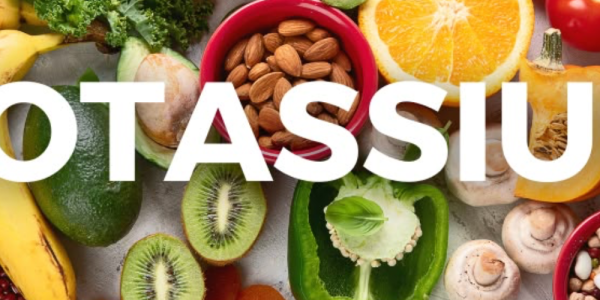
Potassium-Rich Foods: Which Foods Contain the Most, Nutritional Table and Foods to Avoid
Potassium is an essential mineral that contributes to the normal functioning of muscles and the nervous system and helps maintain normal blood pressure. It is found in many foods, especially fruit, vegetables, legumes and nuts. Knowing the main dietary sources makes it easier to plan a varied and balanced diet while taking individual needs into account. In this guide, we look at foods with the highest potassium content, a table showing nutritional values per 100 grams, foods that also provide magnesium, and foods to limit in cases of high blood potassium levels or specific health conditions.

Folic Acid: Foods That Contain It, What It Is Used For and How to Preserve It During Cooking
Folic acid is the synthetic form of vitamin B9, an essential nutrient for the production of new cells, DNA synthesis and the normal functioning of the nervous system. In nature, vitamin B9 is mainly found in the form of folates, which are present in many foods, particularly leafy green vegetables, legumes and certain fruits. Knowing which foods contain the highest amounts and how to prepare them can help meet daily requirements. In this guide, we look at the differences between folic acid and folates, what they are used for, which foods to choose and what precautions to take during cooking to limit nutrient loss.
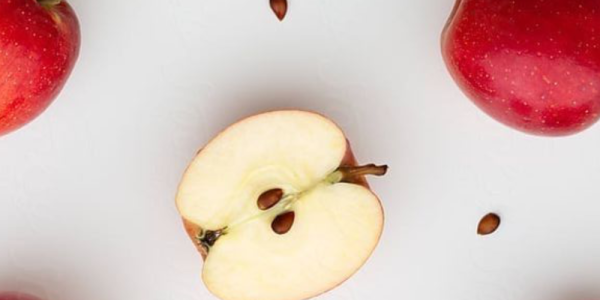
Apples: What Vitamins Do They Contain? Nutritional Values, Benefits and Contraindications
Apples are among the most widely consumed and appreciated fruits, thanks to their flavour, versatility in the kitchen, and water and fibre content. But what vitamins do they contain, and what are their nutritional values? In addition to a small amount of vitamin C, they provide several B vitamins, minerals such as potassium, and plant compounds, including flavonoids and quercetin, which are mainly found in the skin. In this article, we explore the calories and properties of the main apple varieties, their benefits for the body, and possible contraindications associated with their consumption.
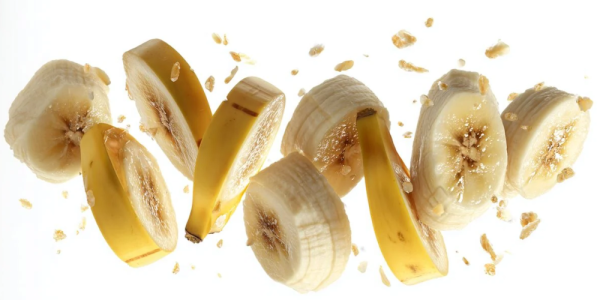
Banana Vitamins: Which Ones Does It Contain, Health Benefits and Calories in Your Diet
Bananas are a popular fruit thanks to their sweet taste, convenience and content of nutrients that are useful to the body. In addition to providing carbohydrates, they are a source of vitamin B6, vitamin C, potassium and fibre, which contribute to various physiological functions, from energy metabolism to the maintenance of normal muscle function. Their nutritional characteristics change to some extent as they ripen: an unripe banana contains more resistant starch, while a ripe one has a higher amount of simple sugars. Its energy content also depends on the size of the fruit and the amount of flesh consumed.
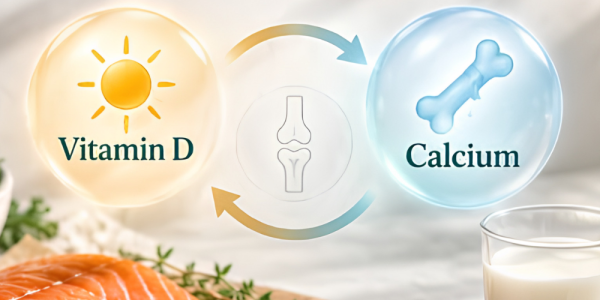
Table of foods rich in calcium and vitamin D: what are the best sources?
Calcium and vitamin D are two essential nutrients for maintaining bone health. Calcium is the main mineral found in the skeleton and contributes to the structure of bones and teeth, while vitamin D promotes the normal absorption and utilisation of calcium and phosphorus. For this reason, ensuring an adequate intake of both nutrients through diet is important at every stage of life. However, not all foods contain significant amounts of both nutrients: milk and dairy products are generally rich in calcium, while oily fish and eggs are among the main dietary sources of vitamin D. Let's look at the most interesting foods, with a table of nutritional values and some tips for including them in a varied and balanced diet.
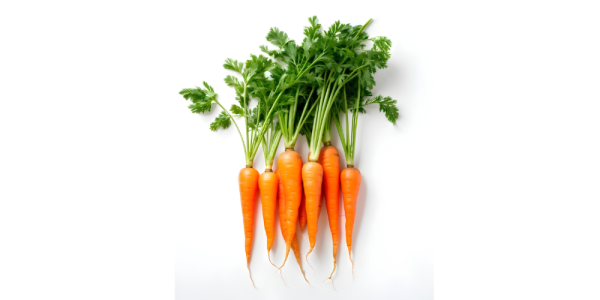
Carrot Vitamins: Which Ones They Contain, Differences Between Raw and Cooked Carrots, and Benefits
Carrots are vegetables particularly appreciated for their beta-carotene content, a plant pigment that the body can convert into vitamin A. In addition to this precursor, they also provide vitamin C, vitamin K and some B vitamins, together with fibre, water and minerals. The nutritional profile of carrots can vary depending on how they are prepared. When eaten raw, they retain a good amount of vitamin C and have a crunchy texture, while cooking can make some carotenoids more accessible, helping the body absorb them. Let's take a look at which vitamins carrots contain, the differences between raw and cooked carrots, and the benefits they can offer as part of a balanced diet.

Foods with Vitamin A and C: Which Are the Richest, Nutritional Tables and Effects of Cooking
Vitamin A and vitamin C are two essential micronutrients that contribute to the normal functioning of the body, but they perform different functions and are found in different foods. Vitamin A is mainly present in liver, eggs and certain vegetables rich in carotenoids, while vitamin C is found primarily in fresh fruit and vegetables. Knowing which foods are richest in vitamins A and C makes it easier to plan a varied diet and choose the most suitable sources to meet daily requirements. It is also useful to consider how foods are prepared: vitamin C, for example, is sensitive to heat and may decrease during cooking, whereas some carotenoids become more readily available after certain heat treatments.
Foods Containing Vitamin E: Health Benefits and the Richest Sources
Vitamin E is a fat-soluble nutrient found in many foods, particularly vegetable oils, nuts and seeds. Its main function is as an antioxidant: it helps protect cells from oxidative stress caused by free radicals and contributes to the normal functioning of the immune system. A varied and balanced diet generally provides adequate amounts of this vitamin through food sources. Some of the richest sources include wheat germ oil, sunflower oil, almonds, hazelnuts and sunflower seeds. Certain green leafy vegetables and various fruits also contribute to daily intake, although generally in smaller amounts.
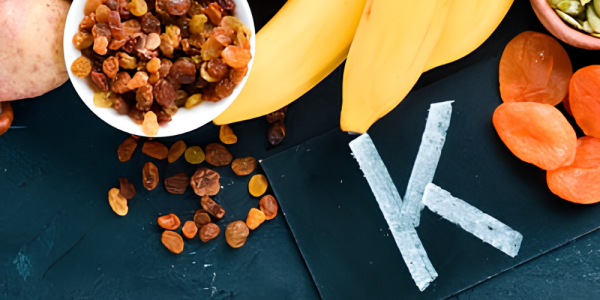
Foods with Vitamin K: Which Are the Richest and a Nutritional Table
Vitamin K is a fat-soluble vitamin that contributes to normal blood clotting and the maintenance of normal bones. It is found in various foods, especially green leafy vegetables, but also in some fruits, vegetable oils, animal products and fermented foods. Knowing which foods are richest in vitamin K makes it easier to vary your diet and ensure an adequate intake. It is also important to distinguish between the two main dietary forms, vitamin K1 and K2, and to pay particular attention to changes in consumption when following anticoagulant therapy with Coumadin.