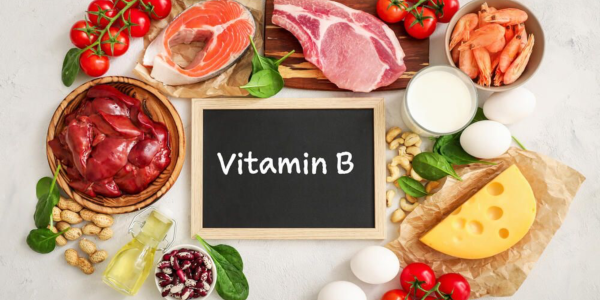
Vitamin B12: When to Take It and When to Supplement with B Vitamins
Vitamin B12 and the other B vitamins are involved in numerous physiological processes, including energy metabolism, nervous system function and red blood cell formation. For this reason, they are often used in supplements intended to support general well-being. There is no single best time to take vitamin B12 or other B vitamins: the choice depends on the formulation, the product instructions and individual needs. Supplementation may be useful in cases of deficiency, increased requirements or impaired absorption.

Pre-Workout Snack: When to Eat It, What to Eat and Practical Ideas
A pre-workout snack is a small meal that can help provide the body with the nutrients needed to tackle a training session. What to eat and when depends on several factors, including how much time is left before physical activity, the type of exercise, its intensity and personal goals. In this article, we look at when to have a pre-workout snack, which foods to choose among carbohydrates and proteins, and how to adjust portions according to muscle-building or definition goals.

ATP (adenosine triphosphate): what it is, structure, functions and applications
Adenosine triphosphate (ATP) is a molecule that is essential for the functioning of all living cells. It is often referred to as the body's "energy currency" because it enables energy to be transferred between different biochemical reactions and supports numerous processes, from muscle contraction to protein synthesis. It is continuously produced and depends on nutrient metabolism and mitochondrial activity. ATP is also important for understanding how muscles function during physical exercise and the mechanisms underlying sports supplementation.

Glycerol: What Is It? What Is It Used For and What Are Its Contraindications?
Glycerol is a substance naturally present in the body and in numerous compounds of plant and animal origin. Also known as glycerin, it is characterised by its viscous consistency, slightly sweet taste and ability to retain water. In the sports nutrition sector, glycerol is studied primarily for its relationship with hydration and fluid management during physical activity. In this guide, we explore its characteristics, main uses and possible contraindications.

Nitrates: what they are, where they are found, what they are used for and their effects
Nitrates are chemical compounds naturally present in the environment and in many foods, especially green leafy vegetables and certain vegetables such as beetroot. They are involved in several biological processes and have also attracted interest in sports nutrition due to their role in nitric oxide production. In this guide, we explore the differences between nitrates and nitrites, their main dietary sources, their potential applications in sports, and the aspects to consider when assessing their health benefits and risks.

Destrose: what it is, what it is used for and whether it is harmful
Dextrose is a simple sugar used in various fields, from the food industry to sports supplementation. It is also known as glucose and is characterised by its rapid availability: once ingested, it is absorbed and contributes to an increase in blood glucose levels, providing the body with energy. These characteristics make it useful in certain products intended for athletes, particularly when it is beneficial to consume carbohydrates during or after intense physical exertion. To understand its usefulness, it is important to know its nutritional characteristics, distinguish between its uses in food and sports supplementation, and assess its consumption in the context of the overall diet.

Ribose: characteristics, biological role and use as a supplement
Ribose is a simple sugar naturally found in cells and involved in some of the fundamental biological processes essential for life. It is part of the structure of RNA and important molecules involved in energy metabolism, including adenosine triphosphate (ATP), which enables cells to use and transfer energy. Because of its involvement in ATP production, D-ribose has also become an ingredient used in food supplements, particularly in sports nutrition. Understanding the chemical structure of ribose and its role in the body therefore helps explain why it is used in supplements.

Electrolytes: What Are They? What Are They Used for and Where Can They Be Found?
Electrolytes are minerals that are essential for the proper functioning of the body: they contribute to fluid balance, the transmission of nerve impulses and muscle contraction. They are found in many foods and drinks and are lost every day through urine, sweat and other bodily fluids. In certain situations, such as during prolonged physical activity or in cases of heavy sweating, it may be necessary to pay closer attention to replenishing them. Let’s look at the main electrolytes, how to recognize possible signs of an imbalance and when supplementation may be useful.

Beetroot: Properties, Nutritional Values and Contraindications
Red beetroot is a vegetable appreciated for its sweet taste, intense colour and content of nutrients and plant compounds. Rich in fibre, folate and potassium, it also contains betalains and naturally occurring nitrates, substances studied for their potential role in health and sports performance. Let’s explore the nutritional values of red beetroot, its potential benefits and the precautions to consider when incorporating it into your diet.