- Health and wellness
- 527 views
A popular plant, but safety is not as straightforward as it seems
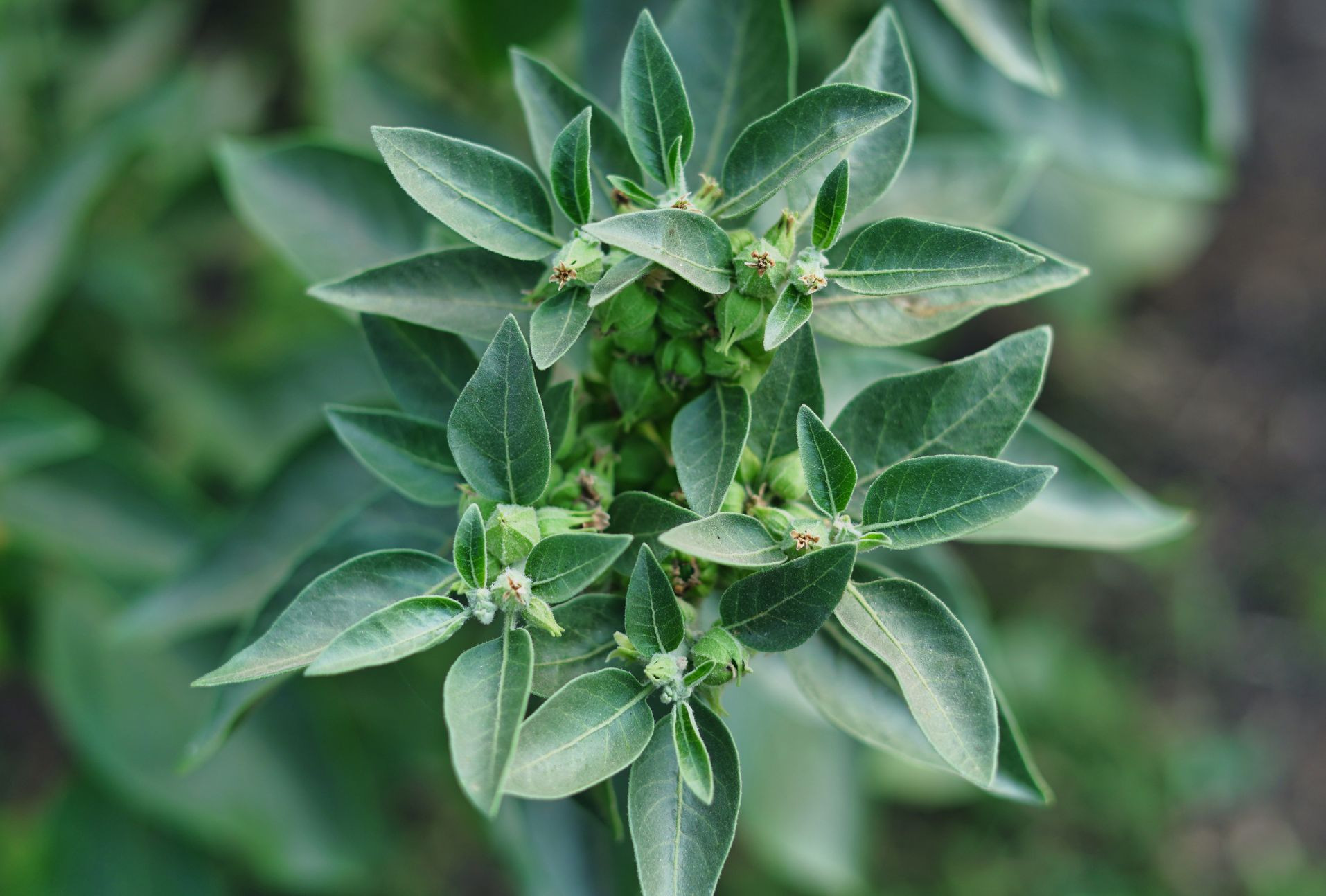
Ashwagandha has seen a meteoric rise in popularity in recent years, driven by its reputation as an adaptogen for combating stress and by encouraging results in the field of sport. This popularity is accompanied by a widespread misconception: that because it is an ancient plant, it is therefore risk-free.
This reasoning does not hold water. Long-standing traditional use offers some reassurance, but it is no substitute for modern evaluation, particularly as the concentrated extracts used today bear little resemblance to the original Ayurvedic preparations.
One fact alone should give pause for thought: several European health authorities have imposed restrictive measures on it. Denmark has banned its sale as a food supplement, and other countries have issued targeted warnings. These decisions are not a case of excessive caution: they follow documented reports.
This article is not intended to discourage the use of ashwagandha, the potential benefits of which are genuine and detailed in our article onashwagandha and bodybuilding. It aims to help you determine whether you are among those who should avoid it.
The liver warning
This is the most serious issue, and the one that prompted the regulatory decisions.
Cases of liver damage have been reported in people taking ashwagandha, with a relatively characteristic presentation: jaundice (yellowing of the skin and eyes) accompanied by itching, nausea, severe fatigue and dark urine. These symptoms occurred after varying periods of use, ranging from a few weeks to several months.
There are two important points to bear in mind when interpreting this information correctly. These cases remain rare relative to the number of users, and some of them involve products whose actual composition could not be verified. However, their recurrence and the consistency of the clinical picture were sufficient to alert the authorities.
Symptoms requiring immediate cessation of use and medical consultation include: yellowing of the skin or the whites of the eyes, abnormally dark urine, widespread itching, pain under the right ribs, and unusual and severe fatigue.
People who already have liver disease, those who drink alcohol regularly and those taking medicines metabolised by the liver should refrain from using these products without medical advice.
Thyroid: the most commonly overlooked interaction
Ashwagandha may increase levels of the thyroid hormones T3 and T4. This is not a minor side effect but a documented effect of the herb, and is sometimes even sought after.
The practical implications depend directly on your individual circumstances:
- In cases of hyperthyroidism, ashwagandha should be avoided: it exacerbates an existing dysfunction.
- If you are taking levothyroxine, it can disrupt a dosage that has been painstakingly adjusted and lead to a functional hormonal overdose.
- In the case of Hashimoto’s thyroiditis, the situation is doubly delicate: the effect on thyroid function is compounded by the autoimmune aspect, which we will discuss shortly.
The practical problem is that many people are unaware of their thyroid status. Early-stage hypothyroidism is common and often asymptomatic for a long time. If you are experiencing fatigue, sensitivity to the cold or unexplained weight gain (the reasons that often prompt people to try an adaptogen), a thyroid assessment is more appropriate than a course of treatment. Our article on zinc and selenium for the thyroid sets out the micronutrients that actually play a role in this function.
Autoimmune diseases: a counterproductive effect
Ashwagandha has a stimulating effect on certain components of the immune system. This is presented as a benefit in general public communications, but it becomes a problem in a specific context.
In an autoimmune disease, the immune system attacks the body’s own tissues. Stimulating it effectively reinforces the very mechanism of the disease. Conditions affected include Hashimoto’s thyroiditis, rheumatoid arthritis, lupus, multiple sclerosis and chronic inflammatory bowel diseases.
The same principle applies to people on immunosuppressive treatment, particularly following a transplant: ashwagandha could interfere with the treatment’s effectiveness.
Pregnancy: a clear contraindication
There is no ambiguity here. Ashwagandha is contraindicated during pregnancy.
Traditional literature attributes abortive properties to it, and effects on the uterus have been described in animal models. No benefit justifies taking this risk.
Duringbreastfeeding, there is insufficient data on its transfer into breast milk, leading to the same recommendation to avoid its use.
Drug interactions
Several classes of medicines require particular caution:
- Sedatives, anxiolytics and sleeping pills: as ashwagandha itself has a sedative effect, the effects may be additive, with a risk of excessive drowsiness.
- Antihypertensives: a further reduction in blood pressure is possible.
- Antidiabetics: ashwagandha may lower blood glucose levels, which requires monitoring in people undergoing treatment.
- Thyroid hormones – see above.
- Immunosuppressants: see above.
Alcohol presents a special case: regular consumption already places a strain on the liver, and combining it with ashwagandha places a double burden on the same organ.
Common side effects
Apart from high-risk situations, mild side effects are frequently reported, particularly at the start of a course of treatment or at high doses:
- digestive problems, nausea, diarrhoea, abdominal pain, particularly on an empty stomach
- daytime drowsiness, which is to be expected given its sedative effect
- headaches
- dry mouth
- allergic reactions in people sensitive to solanaceous plants, the botanical family to which the plant belongs, alongside tomatoes and aubergines
Most of these symptoms can be alleviated by taking the plant with a meal and starting with a lower dose. Persistent daytime drowsiness is reason enough to switch to taking it in the evening or to reduce the dose.
How to minimise the risks
If none of the contraindications apply to you, there are a few practices that can significantly reduce your exposure:
- Choose a standardised and labelled extract, specifying its withanolide content. Most reports concern products whose actual composition could not be verified.
- Stick to the dosages studied, between 300 and 600 mg of extract per day. Doubling the dose does not double the benefit but brings you closer to uncharted territory.
- Take it in two- to three-monthcourses, interspersed with breaks, rather than continuously.
- Do not combine multiple sources. Ashwagandha is included in many multi-herb formulations designed for sleep or stress; check the ingredients before adding a dedicated product. The relevant formulations are grouped under the ‘anxiety and stress’ category.
- Inform your doctor about it, just as you would with any medication. This is particularly important before surgery, when you’ll usually be asked to stop taking it beforehand.
Frequently asked questions
Is ashwagandha harmful to the liver?
Cases of liver damage have been reported, with a fairly characteristic set of symptoms including jaundice, itching, nausea and severe fatigue. Whilst these cases remain rare relative to the number of users, they are sufficiently well-documented to have prompted restrictions in several European countries.
The risk mainly concerns people with pre-existing liver disease, those who drink alcohol regularly, or those taking medication metabolised by the liver. Any yellowing of the skin or eyes requires immediate cessation of use and a consultation with a doctor.
Can ashwagandha be taken alongside thyroid medication?
Not without medical advice. Ashwagandha may increase T3 and T4 levels, thereby disrupting a carefully adjusted levothyroxine treatment regimen.
It should also be avoided in cases of hyperthyroidism, as it may exacerbate the condition. In cases of Hashimoto’s thyroiditis, the contraindication is further reinforced by the autoimmune nature of the condition.
Why is ashwagandha banned in some countries?
Denmark has banned its sale as a dietary supplement, and other European countries have issued warnings. These decisions follow an assessment of reports of liver damage and the plant’s hormonal effects.
These measures do not mean that ashwagandha is dangerous for everyone, but that the balance between expected benefits and identified risks has been deemed unfavourable at a population level; this is information that should be taken seriously on an individual basis.
How long can ashwagandha be taken for?
The robust evidence relates to periods of eight to twelve weeks. Beyond that, information on prolonged continuous use is limited.
The most prudent approach is to take it in two- to three-month courses interspersed with breaks, rather than on a continuous basis. This approach also limits cumulative exposure to the liver.
What should you do if you experience side effects?
For mild digestive problems or drowsiness, try taking the herb with a meal, reducing the dose or taking it in the evening instead. If the discomfort persists, stop taking it.
If you experience any signs suggesting liver damage (yellowing of the skin or eyes, dark urine, generalised itching, pain under the right ribs), stop taking it immediately and seek medical advice straight away, making sure to mention that you were taking ashwagandha. This information is essential for diagnosis and will rarely be identified without you providing it.
If any of the following apply to you, this herb is not suitable:
- you are pregnant or breastfeeding
- you have liver disease, or you drink alcohol regularly
- you have hyperthyroidism, or you are taking levothyroxine
- you have an autoimmune condition, or you are taking an immunosuppressant
- you are taking sedatives, antidiabetic medicines or antihypertensives
- you are allergic to nightshades
- you have a planned surgical procedure
- you are under 18 years of age