- Health and wellness
- 835 views
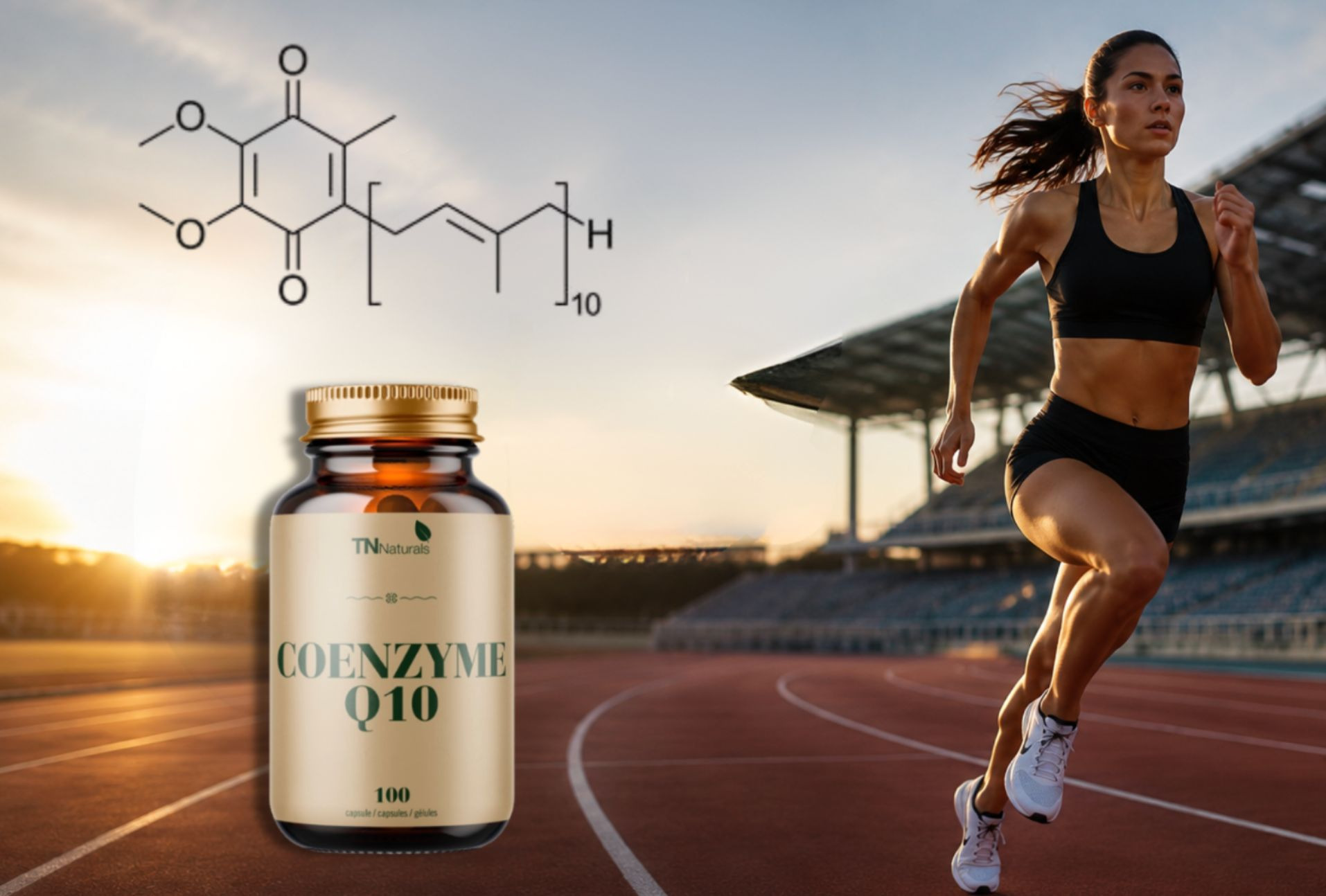
What is coenzyme Q10 or ubiquinone?
Coenzyme Q10, also known as ubiquinone, is a vitamin-like molecule with antioxidant properties that is naturally produced by the body. Its main function is to support energy metabolism (ATP), as well as contributing to the health of the heart, liver, kidneys and pancreas.
Scientists have observed that people with chronic heart conditions often have lower levels of coenzyme Q10, and that supplementation with this molecule has been shown to reduce oxidative stress by improving the body’s overall well-being.
Coenzyme Q10 is, in fact, very commonly used to boost energy and endurance during physical exertion by many athletes and those leading a busy lifestyle.
NADH is also useful for supporting the development of strength and energy within the body.
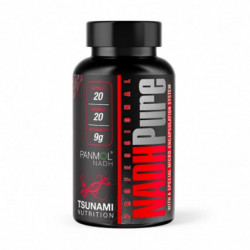
The PANMOL® NADH supplement promotes cellular energy production, helps maintain normal cholesterol levels, supports concentration, provides psychophysical support for athletes and helps reduce physical recovery times.
NADH is also known as coenzyme 1; it is produced naturally by our bodies and is present in muscle tissue, the heart, the brain and the liver.
Unfortunately, as we age, our bodies produce fewer and fewer of these molecules. This decline can affect the body, and it becomes beneficial to supplement them to preserve, first and foremost, the cell’s ability to produce energy (ATP).
What is coenzyme Q10 used for in the body?
Coenzyme Q10 is a molecule that is vital for cellular energy production and the proper functioning of many organs. A deficiency of this molecule in the body can compromise physical strength throughout the day and lead to periods of weakness and low energy.
The main benefits of ubiquinone/ubiquinol/vitamin Q (coenzyme Q10):
- Helps prevent fatigue;
- Converts food into energy;
- Contributes to digestive health;
- Protects against oxidation andfree radical damage;
- It is a vitamin-like molecule;
- Supports blood circulation for heart health;
- Helpsregulate cholesterol;
- Contributes to skin health.
For athletes and those with an active lifestyle, coenzyme Q10 is valuable for its antioxidant action against free radicals, which, following intense physical exertion, cause significant instability in the body. That is why regularly supplementing your diet with this powerful antioxidant from Tsunami Nutrition is always an excellent choice.
Heart health and cholesterol control
Coenzyme Q10 is naturally present in the body, particularly in tissues with high energy demands, such as the heart. Due to its role in cellular energy production, it is often used to support cardiovascular wellbeing; the heart’s primary source of energy is, in fact, ATP, which is produced by the body thanks to the presence of this molecule.
This is why it is particularly important for ubiquinone to be present within the heart muscle. Furthermore, thanks to its antioxidant action, it is an excellent ally against free radicals and helps to preserve tissue integrity.
Although coenzyme Q10 has no direct effect on cholesterol, it is frequently used in nutritional regimens as it supports healthy blood circulation.
During cholesterol treatment, the medicines taken require a great deal of ATP energy. Tsunami Nutrition offers several products for managing cholesterol levels; whatever your needs, it is always important to consult a doctor to determine the appropriate treatment and achieve the best results based on your lifestyle and diet.
The relationship between coenzyme Q10 and statin use
Statins are first-line medicines that help stabilise lipid levels and reduce cholesterol. Their main action targets LDL cholesterol, often referred to as ‘bad cholesterol’. As they can reduce the body’s natural production of coenzyme Q10, some people taking statins choose to discuss coenzyme Q10 supplementation with their doctor.
These medicines must always be taken on prescription: it is therefore important to follow your doctor’s instructions to avoid adverse effects, including serious ones, associated with incorrect or inappropriate use. To find out more about this topic, read our article on coenzyme Q10 and statin-related muscle pain.
Antioxidant properties and skin health
Many people believe that dietary supplements are products designed exclusively for athletes, and in particular for those who do weight training. In reality, coenzyme Q10 supplements meet the growing demand from an ever-increasing number of people who see dietary supplements as a way of contributing to their health and physical wellbeing.
The specific antioxidant action of coenzyme Q10 is valued because it helps to counteract free radicals – that is, molecules produced by metabolism that can damage the body’s cells and accelerate the process of cellular ageing.
Free radicals are considered to be one of the main factors in the premature ageing of tissues; this is why ubiquinone is highly valued for helping to limit these effects on the body.
Antioxidants, such as NAC and glutathione, are very important substances for our body’s wellbeing as well as for the beauty and radiance of the skin. You can also add foods with antioxidant properties to your diet, such as those containing omega-3 and rich in vitamins, including fresh fruit and seasonal vegetables.
Symptoms and causes of coenzyme Q10 deficiency
As we age, coenzyme Q10 becomes increasingly scarce in our bodies due to the slowing down of molecular processes associated with ageing.
Oxidation is a normal process, both in nature and in the human body: it is the same phenomenon that causes a cut apple left exposed to the air to turn brown.
As we get older, we no longer produce as much ubiquinone as we used to; it may therefore be beneficial to take it in the right doses, depending on one’s lifestyle and in consultation with one’s GP.
The main symptoms associated with a coenzyme Q10 deficiency are:
- Chronic fatigue, weakness and cramps;
- Reduced exercise tolerance;
- Premature ageing;
- Persistent lack of energy.
Persistent chronic fatigue can have many causes, some of which are unrelated to coenzyme Q10 — for example, a thyroid disorder such ashyperthyroidism. If symptoms persist, only a healthcare professional can make a diagnosis.
How and when to take the Q10 supplement
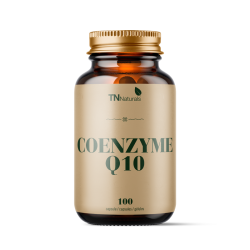
The coenzyme Q10 supplement from TN Naturals comes in tablet form, in a vegan, gluten-free and lactose-free formula, to suit a variety of dietary requirements. It is recommended to take 1 to 3 tablets a day, preferably with main meals, to aid the absorption of the molecule.
Coenzyme Q10 supports the proper functioning of mitochondria and energy production (ATP), and helps to combat cellular ageing.
It is advisable never to exceed the recommended daily dose to avoid any potential side effects.
Best time of day and duration of treatment
The best time of day to take ubiquinone (coenzyme Q10) is during main meals, to aid digestion and the production of cellular energy (ATP). In particular , it is advisable to take it at breakfast and lunch to ensure you have more energy throughout the day.
The main benefits are generally observed after at least 2 to 3 months of use, always under the supervision of your GP and in accordance with the guidelines tailored to your needs and goals.
Differences between capsules, tablets and pure forms
Depending on the different forms available, coenzyme Q10 has varying levels of absorption.
Standard tablets are a practical solution for daily supplementation, as are capsules, which offer superior bioavailability; whilst the purest formulations are recommended for those who adjust the dosage according to body weight, often athletes and bodybuilders.
Tsunami Nutrition has developed various formulations to meet specific needs.
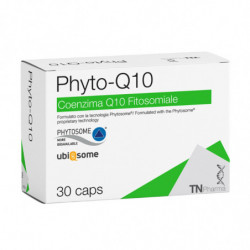
TN Naturals’ Coenzyme Q10 uses the standard form of coenzyme Q10 in tablet form, ideal for those seeking daily support for energy metabolism, cardiovascular wellbeing and protection against oxidative stress; whilst Phyto-Q10 utilises the patented UbiQsome® technology, based on Phytosome® technology, which combines coenzyme Q10 with specific phospholipids to improve its absorption and utilisation by the body.
The best choice depends not only on the amount taken, but also on the method of absorption, which determines the effectiveness of the supplement.
Side effects and contraindications of Q10
Generally, coenzyme Q10 has no major contraindications, but adverse effects may occur, particularly in the case of inappropriate dosages or formulations that are not suited to an individual’s specific needs.
In certain situations, taking ubiquinone alongside certain medicines may lead to interactions, affecting their effectiveness or the body’s response.
Among the mild side effects reported, some people have experienced gastrointestinal disturbances such as stomach discomfort, nausea, loss of appetite, vomiting or diarrhoea, as well as possible fluctuations in blood pressure, with a tendency for it to fall in sensitive individuals.
Does coenzyme Q10 cause weight gain or help with weight loss?
Coenzyme Q10 is not associated with fat accumulation, as it does not provide any significant calories. Indirectly, Q10 may support energy metabolism, as it is involved in energy production at a cellular level (ATP), particularly in the mitochondria.
This means it can help improve the body’s energy efficiency, particularly during periods of fatigue or reduced vitality.
However, as with collagen and other well-known substances, these are not substances that accelerate fat loss or actually cause weight loss or gain. In summary, the link to weight is via energy expenditure and cellular wellbeing, as part of a balanced diet and regular physical activity.
Frequently asked questions
Who should not take coenzyme Q10?
In most cases, coenzyme Q10 can be taken by anyone. However, particular care is needed depending on clinical conditions or ongoing treatments, especially if other therapies are being followed at the same time. If in doubt, seeking the advice of a healthcare professional remains the best course of action.
What are the main drug interactions?
The main drug interactions may involve anticoagulants, antihypertensive medicines, diabetes treatments and statins, as coenzyme Q10 may alter the effectiveness of some of these treatments. It is therefore important to discuss this with your doctor before starting to take a supplement.
How much does a Q10 supplement cost on average?
Coenzyme Q10 generally costs between 10 and 30 euros, depending on the other active ingredients in the formulation, the type of tablet manufacturing process and the packaging format.
When properly integrated into a balanced lifestyle and taken under a doctor’s supervision, supplementation can bring real benefits to the body. Choosing a high-quality formulation, such as those from Tsunami Nutrition, and using it sensibly remain the key factors in safely maximising the benefits, depending on your specific goals.