- Health and wellness
- 810 views
What is vitamin D3 (cholecalciferol)?
Vitamin D3, or cholecalciferol, is the form of vitamin D that the skin synthesises when exposed to UVB rays. It is also found in animal sources: oily fish, cod liver oil and egg yolk.
Its production begins with a cholesterol derivative present in the epidermis, 7-dehydrocholesterol, which is converted into vitamin D3 as soon as the skin receives sufficient UVB radiation. This molecule is still only a precursor: it must be hydroxylated in the liver, and then in the kidneys, to become active in the body.
This origin explains why vitamin D3 is sometimes called the ‘sunshine vitamin’, and why the issue of vitamin D supplementation arises repeatedly between autumn and spring.
The difference between vitamin D2 and vitamin D3
The term ‘vitamin D’ covers two distinct compounds, which are often confused on product labels.
- Vitamin D2 (ergocalciferol): of plant origin, derived from ergosterol found in certain fungi and plants exposed to ultraviolet light.
- Vitamin D3 (cholecalciferol): of skin-derived or animal origin, this is the form naturally produced by the human body.
The distinction is not merely theoretical: in equal quantities, vitamin D3 raises and maintains blood levels of 25-hydroxyvitamin D more effectively than vitamin D2. This is why the vast majority of dietary supplements use the D3 form.
Why D3 is better absorbed
There are several reasons for this advantage. Vitamin D3 is recognised more effectively by the blood transport protein that carries it to the liver, and its conversion into the storage form is more efficient. It also remains in the body for longer, resulting in more stable levels over time.
For those following a vegan diet, plant-based vitamin D3 is now available, derived from lichen, offering the same effectiveness as D3 without the need for animal sources.
What is vitamin D3 used for?
The functions of vitamin D3 are the same as those of vitamin D in general, with the added benefit of greater bioavailability. A comprehensive overview of its role is available in our guide to vitamin D: benefits, deficiency and when to take it.
Bones, teeth and mineralisation
Vitamin D3 contributes to the normal absorption and utilisation of calcium and phosphorus, as well as to the maintenance of normal bones and teeth. Without it, a significant proportion of dietary calcium is simply not absorbed by the gut.
This is why it is a standard component of strategies for maintaining bone health, as detailed in our selection of the best dietary supplements for bones and joints.
Immune system
Vitamin D3 contributes to the normal functioning of the immune system. Specific receptors are present on many immune cells, suggesting a modulatory role rather than one of outright stimulation.
This becomes particularly important in winter, a time when vitamin D synthesis in the skin is at its lowest whilst the demands on the immune system are at their highest.
Muscle function
It helps maintain normal muscle function. Muscle tissue has its own vitamin D receptors, and insufficient levels frequently result in muscle weakness and widespread aches and pains that are mistakenly attributed to fatigue or training.
For regular exercisers, this is a factor to monitor just as closely as macronutrients: vitamin D is, in fact, one of the essential supplements for natural bodybuilders.
What dose of vitamin D3 should you take?
This is the key question, and there is no one-size-fits-all answer. The appropriate dosage depends on your exposure to sunlight, the season, your age and your baseline status. A useful reminder before going into detail: the ANSES nutritional reference value for adults is 15 µg per day, or 600 IU, and the upper safe limit set by the EFSA is 100 µg, or 4,000 IU per day.
1,000 IU: daily maintenance
This dose corresponds to a maintenance intake, suitable for people who already get adequate sun exposure and simply wish to ensure they are getting enough. It is also the most flexible dose for continuous use throughout the year.
2,000 IU: the seasonal compromise
The most common intermediate option. It is suitable for people whose sun exposure is irregular, for those who work indoors, and as a baseline intake during the months when UVB levels are insufficient in our latitudes.
4,000 IU: periods of low sunshine
This dosage corresponds to the upper safety limit set by the EFSA for adults. It is intended for people with very little sun exposure, during prolonged winter periods, and for those whose doctor has identified a deficiency. Above this level, supplementation is no longer considered a dietary supplement but requires a medical prescription.
In all cases, follow the dosage indicated on the label and do not combine multiple sources of vitamin D without taking their combined intake into account, particularly if you are already taking a multivitamin. The consequences of prolonged excessive intake are detailed in our guide on vitamin D overdose.
Our range of vitamin D3
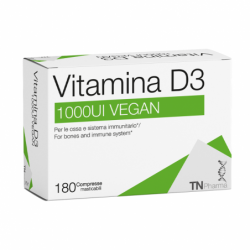
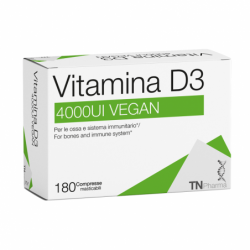
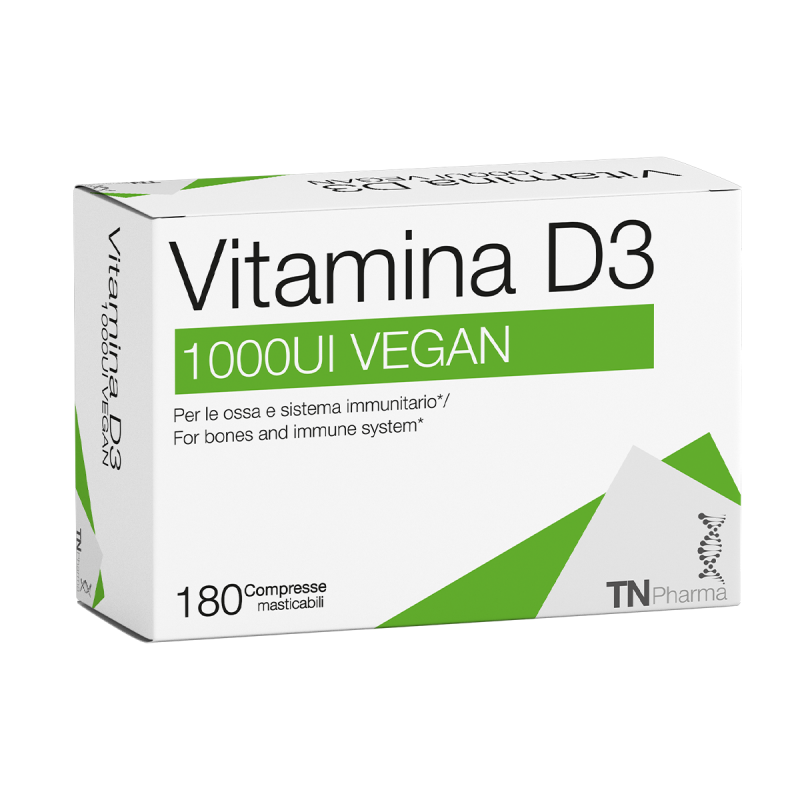
Tsunami Nutrition offers vitamin D3 in three strengths, all in chewable tablets, to allow for precise adjustment according to individual needs and the season without having to split capsules.
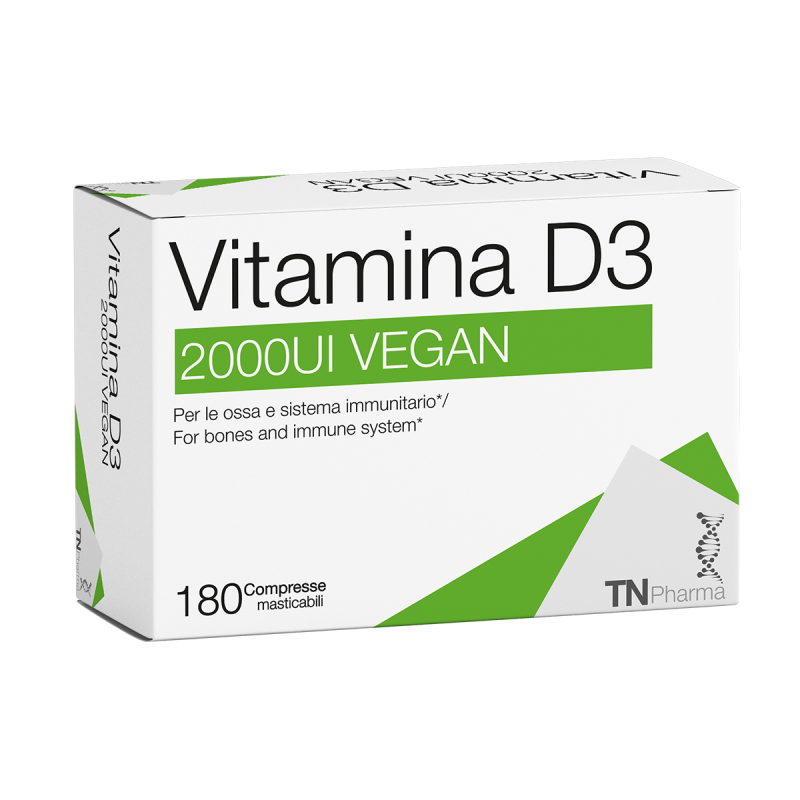
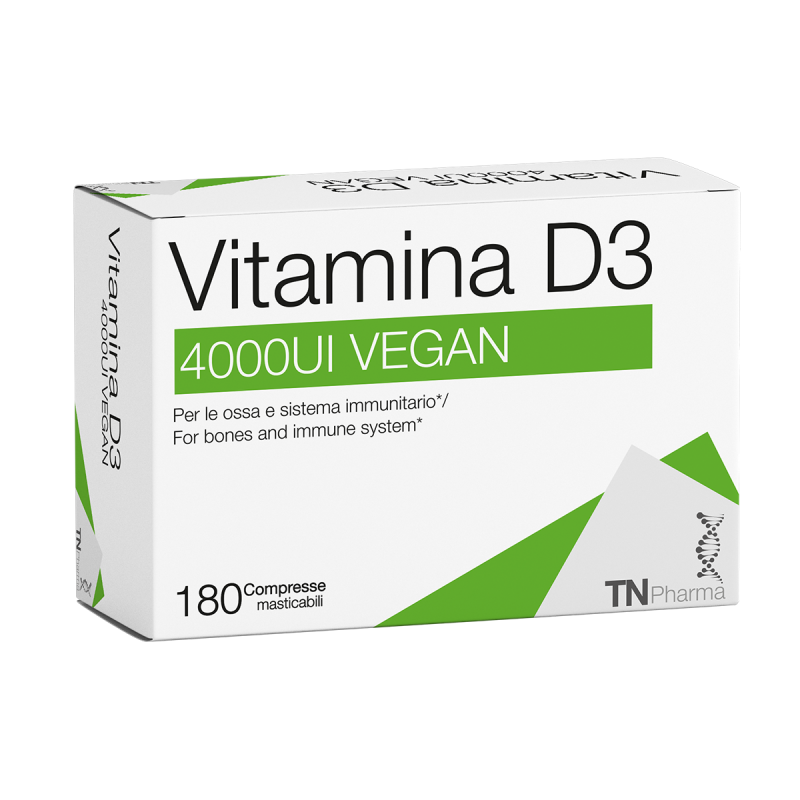
For a natural approach in standard tablet form, the range also includes Vitamin D by TN Naturals, featured in our general guide to vitamin D.
How to take vitamin D3
Two rules are all you need to cover the basics. Take vitamin D3 with a meal containing fat, as it is fat-soluble and the presence of fat significantly improves its absorption in the gut. And prioritise consistency: taking it daily yields better results than taking a high dose at irregular intervals.
The chewable form offers a real practical advantage here: it can be taken without water, at the end of a meal, which makes it easier to stick to the regimen over several months. As for the best time of day to take it, our article ‘Vitamin D: morning or evening?’ sets out what really matters.
If you are taking medication, have kidney disease, hypercalcaemia or are pregnant, speak to your doctor before starting.
Frequently Asked Questions
What is the recommended daily dose of vitamin D3 for an adult?
The ANSES nutritional reference value is 15 µg, or 600 IU per day, for adults. The doses offered in supplements are often higher, as they aim to compensate for insufficient skin synthesis rather than simply meeting a theoretical requirement.
The choice between 1,000, 2,000 and 4,000 IU depends on your actual sun exposure, the season and your baseline levels. If in doubt, a blood test for 25-hydroxyvitamin D, interpreted by your doctor, remains the most reliable starting point.
Vitamin D or vitamin D3: which should you buy?
Vitamin D3 is the preferred choice in the vast majority of cases. When a product is simply labelled ‘vitamin D’, it is usually already D3: check for ‘cholecalciferol’ in the list of ingredients.
Vitamin D2, or ergocalciferol, remains an option for certain specific diets, but it is less effective at raising and maintaining blood levels than an equivalent amount of vitamin D3.
Is vitamin D3 suitable for a vegan diet?
It depends on its source. Vitamin D3 is traditionally extracted from lanolin, a substance of animal origin, but plant-based vitamin D3 is now available, derived from lichen.
All three strengths in the TN Pharma range are formulated as vegan products, making them suitable for a diet that excludes all animal-derived products.
Can vitamin D3 be taken alongside other supplements?
Yes, vitamin D3 combines well with most micronutrients. It works synergistically with calcium and phosphorus, promoting their absorption, whilst magnesium plays a role in the reactions that enable it to be converted into its active form.
The only precaution is not to combine several sources of vitamin D without taking their combined intake into account. If you are already taking a multivitamin, add up the intakes before choosing your dosage. Our guide to the best vitamin and mineral supplements helps you put together a well-balanced regimen.
How long should you take vitamin D3 for?
Vitamin D3 is a supplement that requires regular intake over several weeks before blood levels rise to a measurable extent. A short course of just a few days is of no benefit.
Many people focus their supplementation on the period from October to March, when UVB levels are insufficient in our latitudes, and reduce their intake during the sunnier months. For those with little sun exposure throughout the year, a continuous intake at an appropriate dosage may be justified.
Choosing the vitamin D3 dosage best suited to your lifestyle is key to getting the most out of supplementation. Assess your actual sun exposure, take the season into account, and top this up with Tsunami Nutrition’s range of vitamin D supplements, formulated using high-quality ingredients and manufactured to high standards.