- Health and wellness
- 611 views
What is vitamin D and what is it used for?
Vitamin D is a fat-soluble vitamin, meaning it dissolves in fat, which the body is able to produce itself through exposure to sunlight. This is what makes it unique: all other vitamins must be obtained through diet or by taking vitamin D supplements.
Its best-known role relates to the skeleton, but its scope of action is much broader. Vitamin D contributes to the normal absorption and utilisation of calcium and phosphorus, to the maintenance of normal bones and teeth, to the normal functioning of the immune system, to the maintenance of normal muscle function and to the process of cell division.
Once produced by the skin or absorbed by the gut, vitamin D is not yet active. It must undergo two successive transformations:
- the first in the liver, which converts it into 25-hydroxyvitamin D (or calcidiol), the form measured in a blood test
- a second in the kidneys, which produces calcitriol, the form that is actually active in the body
This is why the liver and kidneys play a central role in vitamin D status, and why certain medical conditions can disrupt its utilisation, even with sufficient intake.
Vitamin D2 and vitamin D3: what are the differences?
The generic term ‘vitamin D’ actually encompasses two distinct forms, which differ in both origin and efficacy.
- Vitamin D2 (ergocalciferol): of plant origin, it is derived from ergosterol present in the cell membranes of certain plants and fungi, which is converted by ultraviolet rays.
- Vitamin D3 (cholecalciferol): this is the form synthesised by the skin when exposed to sunlight, and the one found in oily fish and egg yolks. It is the form best utilised by the body, and therefore the one favoured in the vast majority of food supplements.
This difference explains why labels most often state ‘vitamin D3’ rather than ‘vitamin D’: for the same amount, D3 raises and maintains blood levels more effectively than D2. To understand in detail the specific role of this form and the available dosages, our guide to vitamin D3 and choosing the right dosage explores each point in depth.
How the body synthesises vitamin D
Synthesis in the skin relies on a precise mechanism. A cholesterol derivative present in the skin, 7-dehydrocholesterol, is converted into vitamin D3 under the action of UVB rays. This process normally provides the bulk of our intake.
However, this production depends on numerous factors over which we have no control:
- the season and latitude: in our part of the world, UVB levels are too low from October to March to allow for significant synthesis
- the area of skin exposed and the duration of exposure
- skin pigmentation: darker skin requires a longer exposure time to produce the same amount
- age: the ability to synthesise vitamin D gradually decreases over the years
- the use of sun protection and the amount of time spent indoors
Add these factors together and you’ll understand why sun exposure isn’t always enough, even in summer, and why the topic comes up again every year as winter approaches.
The benefits of vitamin D
The benefits of vitamin D extend to several systems in the body simultaneously, which explains the special place it holds amongst micronutrients.
Bone and dental health and calcium absorption
This is its traditional and best-established role. Vitamin D contributes to the intestinal absorption of calcium and phosphorus: without it, a significant proportion of the calcium provided by the diet would not be absorbed, regardless of the amount consumed.
It thus helps maintain normal bones and teeth, and promotes mineralisation processes. This is why it is routinely included in strategies to preserve bone mass, particularly as we age. Our selection of the best dietary supplements for bones and joints places vitamin D within this broader context.
Support for the immune system
Vitamin D contributes to the normal functioning of the immune system. Vitamin D receptors are present on the surface of many immune cells, suggesting a regulatory role rather than one of simple stimulation.
This is particularly important during the winter months, precisely when vitamin D synthesis in the skin is at its lowest and the demands on the immune system are at their greatest.
Muscle function and physical activity
Vitamin D helps maintain normal muscle function. Muscle tissue also possesses specific receptors, and a deficiency is frequently accompanied by a sensation of muscle weakness and diffuse pain, often mistakenly attributed to fatigue or training.
For people who engage in regular physical activity, this is a factor that should not be overlooked: vitamin D is, in fact, one of the essential supplements for natural bodybuilders.
Mood and the nervous system: what we know
Vitamin D is regularly linked to mood and well-being, particularly in relation to the dip in energy levels often experienced in winter. However, we must remain cautious on this point: the available research describes an association, not a proven cause-and-effect relationship, and no health claims have yet been recognised in this area.
What can be said with certainty is that an adequate intake contributes to the body’s overall well-being, and that the time of year when vitamin D levels are at their lowest coincides with the period when fatigue is most frequently reported.
Vitamin D deficiency: why it is so common
Vitamin D deficiency is one of the most widespread nutritional deficiencies in France, and this is due to a combination of three factors: the inability to synthesise vitamin D in the skin for nearly half the year, structurally low dietary intake, and lifestyles that are predominantly spent indoors.
The most commonly reported symptoms are persistent fatigue, muscle weakness, bone or generalised pain, and increased susceptibility to infections. Their non-specific nature is precisely what makes the deficiency difficult to identify without a blood test.
Certain groups are at greater risk: the elderly, infants and young children, pregnant or breastfeeding women, people with dark skin, those with limited sun exposure, and those with intestinal absorption disorders.
To identify the signs, understand the causes and know when to seek medical advice, our article on vitamin D deficiency and its symptoms covers the topic in detail.
Recommended intakes and sources of vitamin D
The nutritional reference value established by ANSES for adults is 15 µg per day, equivalent to 600 IU. Both units appear on labels, which is a frequent source of confusion when comparing two products.
The sun, the main source
Sun exposure remains the most effective source of vitamin D. Around 15 to 20 minutes’ daily exposure of the face and forearms, outside the hours of peak intensity, allows for significant synthesis during the summer months.
This vitamin D is stored in the liver and fatty tissues, providing a reserve that can be drawn upon during the winter. The problem is that this reserve is rarely sufficient to cover the entire period of low sunlight, hence the need for particular vigilance between autumn and spring.
Foods rich in vitamin D
Dietary intake is naturally limited, as few foods contain significant amounts. The main sources are oily fish and cod liver oil, supplemented by egg yolk, certain mushrooms and fortified dairy products.
Here are the average vitamin D contents of the main sources, per 100 g:
These figures are indicative averages, which vary depending on origin, season and method of preparation. A comprehensive overview of sources, including plant-based ones, is available in our guide to foods rich in vitamin D.
When and how to take vitamin D supplements
Vitamin D supplementation is particularly recommended during periods of low sunlight, as well as for people with any of the risk factors mentioned above. It complements diet and sun exposure, but does not replace them.
Here are some practical tips to get the most out of it:
- Take it with a meal containing fat: vitamin D is fat-soluble, and the presence of fat significantly improves its absorption in the gut.
- Prioritise regularity over intensity: taking it daily and consistently yields better results than taking a high dose at irregular intervals.
- Follow the dosage indicated on the label: as it is a fat-soluble vitamin, it is stored in the body and a prolonged excess is not without risk.
- Have your levels checked if you’re in any doubt: a blood test can measure 25-hydroxyvitamin D and help you assess the situation objectively with your doctor.
When it comes to timing, one question always comes up: morning or evening? We answer this in detail in the article ‘Vitamin D: morning or evening – when to take it’.
As for the risks associated with excessive intake, it is important to be aware of these before starting a course of treatment: our guide on vitamin D overdose details the warning signs and situations requiring caution.
If you are currently taking medication, have kidney disease, hypercalcaemia or are pregnant, you must seek medical advice before taking any supplements.
Our selection of vitamin D supplements
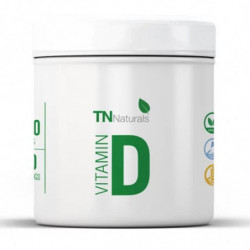
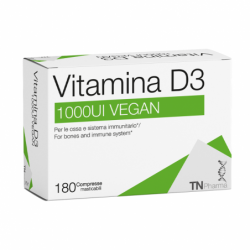
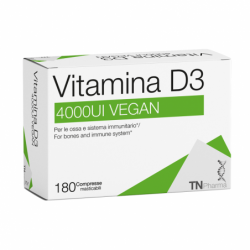
The Tsunami Nutrition range offers two complementary approaches: a natural formulation designed for daily maintenance, and a vitamin D3 supplement specifically formulated for periods when the skin is unable to produce sufficient vitamin D.
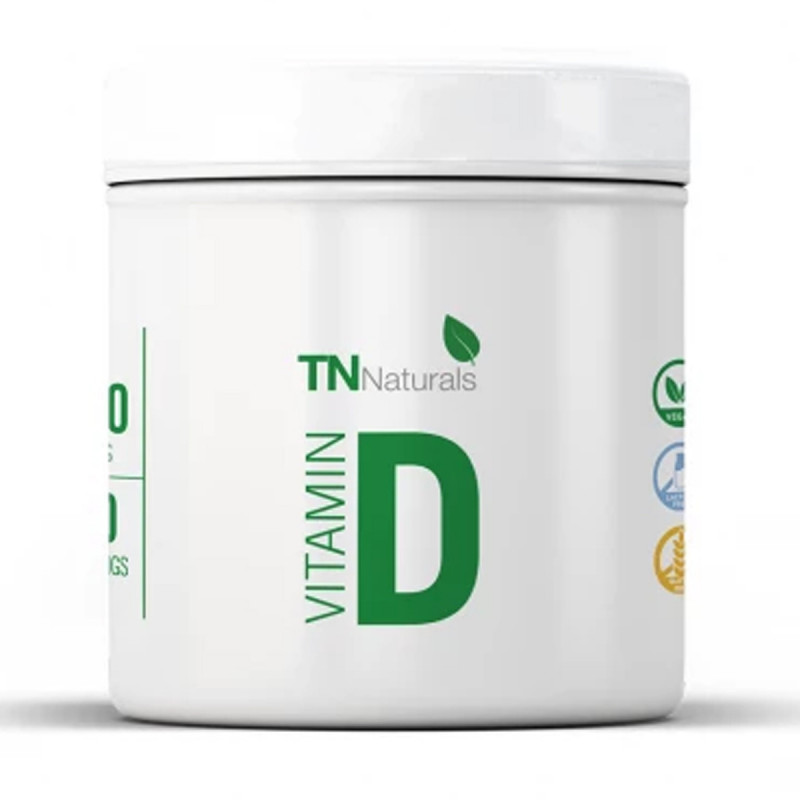
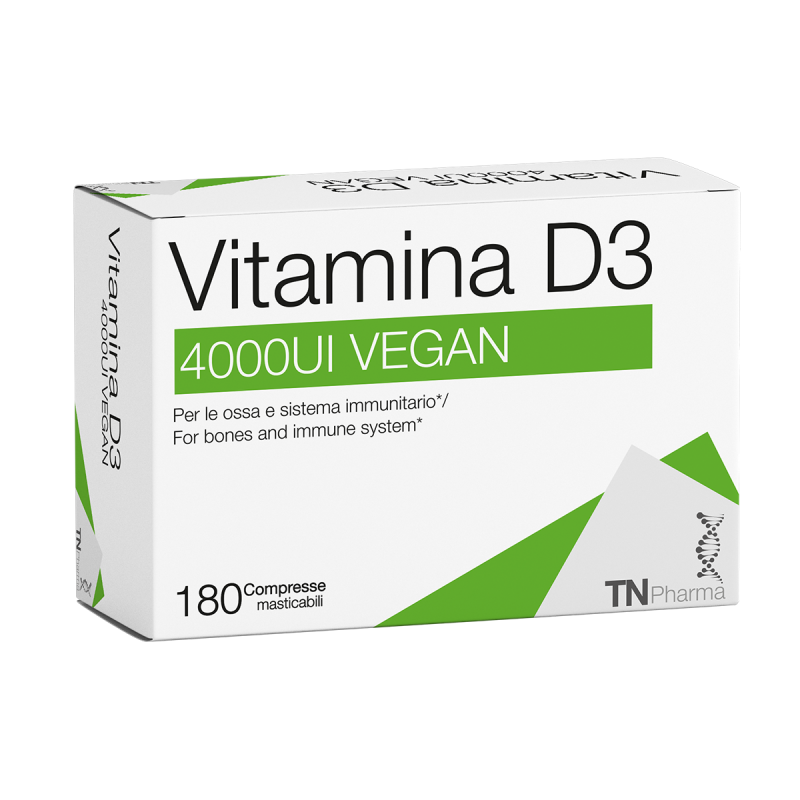
This vitamin D3 is also available in 1,000 IU and 2,000 IU strengths, allowing you to tailor your intake to your individual needs and the time of year. A full comparison of the three strengths is provided in our guide to vitamin D3 and choosing the right strength.
Frequently asked questions
What exactly does vitamin D do?
Vitamin D contributes to the normal absorption of calcium and phosphorus, to the maintenance of normal bones and teeth, to the normal functioning of the immune system and to the maintenance of normal muscle function. It also plays a role in the process of cell division.
What makes it unique is that it acts as a regulator rather than simply as a nutrient: vitamin D receptors are present in a wide variety of tissues, which explains the breadth of its effects.
What is the difference between vitamin D and vitamin D3?
Vitamin D3 is one of the two forms of vitamin D, the other being vitamin D2. When we refer to ‘vitamin D’ in general, we mean the whole group of compounds; D3, or cholecalciferol, is the form synthesised by the skin when exposed to sunlight and is found in oily fish.
It is utilised more effectively by the body than vitamin D2, which explains why it is the preferred form in most dietary supplements.
How long does it take to correct a vitamin D deficiency?
There is no single answer, as the time taken depends on the initial level, the dosage used and how regularly the supplement is taken. Vitamin D is gradually replenished in the body, and reserves do not recover within a few days.
In practice, regular supplementation over several weeks is necessary before any change in blood levels can be observed. Only a 25-hydroxyvitamin D test, interpreted by your doctor, allows you to properly monitor this progress.
Can you take vitamin D all year round?
Yes, provided you stick to the recommended doses. Many people concentrate their supplementation during the autumn and winter months, when the skin’s ability to synthesise vitamin D is insufficient, and reduce it during the sunnier months.
For those with little exposure to the sun throughout the year, continuous supplementation may be justified. In all cases, the upper safe limit set by the EFSA for adults – 100 µg (4,000 IU) per day – must not be exceeded without medical advice.
Which vitamins should be taken alongside vitamin D?
Vitamin D works synergistically with several micronutrients, foremost among which are calcium and phosphorus, the absorption of which it promotes. Magnesium is also involved in the reactions that enable its conversion into its active form.
For a comprehensive approach to micronutrients, our guide to the best vitamin and mineral supplements outlines the most relevant combinations, whilst our selection of B-complex vitamin supplements usefully complements the discussion on energy metabolism.
Vitamin D holds a special place amongst micronutrients: essential for bone health, the immune system and muscle function, it relies on synthesis in the skin, which is often insufficient due to our lifestyles and geographical location. Assess your situation, adjust your sun exposure and diet, and, if necessary, take supplements from Tsunami Nutrition’s range of vitamin D supplements, formulated with high-quality ingredients and manufactured to high standards.