Tryptophan and L-Tryptophan: Side Effects, Contraindications, and How Long It Takes to Work
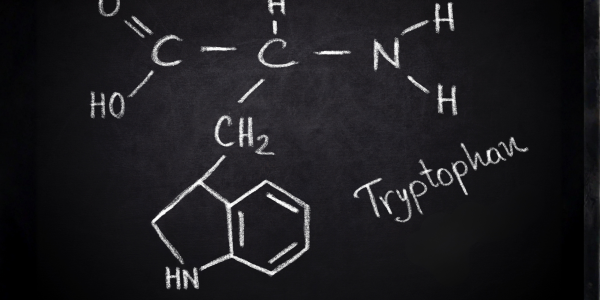
Tryptophan is an essential amino acid that the body cannot produce on its own and must therefore obtain through food. It performs several physiological functions and is particularly well known because it is a precursor of serotonin, a neurotransmitter involved in mood regulation and numerous bodily processes. The body can also produce melatonin from serotonin, a hormone that helps regulate the sleep-wake cycle. Before using a tryptophan supplement, it is important to understand its possible side effects, contraindications, and interactions, especially with medicines that affect the serotonin system.

GABA: Contraindications, Side Effects, and Reviews of the Supplement
GABA is a substance naturally present in the body and involved in regulating nervous system activity. Its role is particularly important in maintaining the balance between excitatory and inhibitory nerve signals, a mechanism that contributes to the proper functioning of the brain. Because of this function, GABA has become an ingredient of interest in the food supplement sector, especially for people looking to promote relaxation and improve sleep quality. GABA supplements are often associated with stress management and well-being in the evening. However, it is essential to distinguish the effects of GABA naturally produced by the body from those that may result from taking a specific product.

Red Bull Taurine: What Is It, How Much Does It Contain, and What Are Its Effects on Health?
Taurine in Red Bull is one of the best-known ingredients in energy drinks, but also one of the most debated. It is often associated with a supposed stimulating effect, improved physical performance, or myths about its origin. In reality, taurine is a substance naturally present in the body and involved in several physiological processes. In this guide, we examine its origin, the amount found in the drink, its relationship with caffeine, and the main precautions to be aware of.

Branched-Chain Amino Acids or Essential Amino Acids: Differences, Which to Choose, and When to Take Them
Branched-chain amino acids (BCAAs) and essential amino acids (EAAs) are often used in sports nutrition, but they are not the same thing. The former include leucine, isoleucine, and valine, while the latter include all nine essential amino acids, which are required for numerous physiological processes and protein synthesis. In this guide, we examine the differences between the two categories, their roles in the body, and the factors to consider before and after training, with a closer look at contraindications and useful criteria for evaluating a supplement.

The 10 Best Essential Amino Acids
Essential amino acids (EAAs) are nutrients that are indispensable to the body. They must be obtained through the diet because the body cannot synthesize them independently in sufficient quantities. In sports nutrition, they are particularly important for protein synthesis, the maintenance of muscle mass, and recovery processes associated with physical activity. Essential amino acid supplements are not all the same: they may differ in composition, amino acid ratios, added ingredients, and format. Some provide a complete blend of EAAs, while others combine amino acids with additional nutrients or focus on a single component.

Betaine and Betaine HCl: What They Are Used for, Where to Find Them, and How to Take Them
Betaine is a substance involved in several physiological processes, including homocysteine metabolism and the regulation of cellular water balance. In this guide, we will look at where it is found in foods, how the main forms used in supplements differ, and which benefits are supported by scientific evidence. We will also explore how and when to take it, as well as the potential contraindications and side effects to be aware of before considering supplementation.

Branched-Chain Amino Acids: Are They Harmful? What Are They Used For and What Are the Contraindications?
Branched-chain amino acids, also known as BCAAs, are mainly used in sports supplementation to support amino acid intake during physical activity. BCAAs include leucine, isoleucine and valine, three essential amino acids that the body must obtain through diet. In this guide, we will explore what branched-chain amino acids are used for, the evidence regarding possible adverse effects, and the precautions to know before taking them. We will also discuss when to use them, how they compare with essential amino acids, and what results can realistically be expected.

Tyrosine: What Is It Used For? Definition, Contraindications and Side Effects
Tyrosine is an amino acid involved in several physiological processes, including the production of dopamine, noradrenaline and thyroid hormones. In this guide, we will explain what it is, the differences between L-tyrosine and acetyl tyrosine, and its potential role in the stress response and metabolism. We will also explore the main contraindications, possible side effects and precautions to consider before taking a supplement.

Essential Amino Acids: When to Take Them? What Are They Used For, Daily Dosage and Side Effects
Essential amino acids (EAAs) are molecules that play a fundamental role in protein synthesis and numerous physiological processes. The body cannot produce them in sufficient quantities, so they must be obtained through the diet, from protein-rich foods or, when appropriate, specific supplements. In this guide, we explore what they are used for, how to time their intake in relation to training, which formats to choose, and what precautions to be aware of before supplementing.