
Destrose: what it is, what it is used for and whether it is harmful
Dextrose is a simple sugar used in various fields, from the food industry to sports supplementation. It is also known as glucose and is characterised by its rapid availability: once ingested, it is absorbed and contributes to an increase in blood glucose levels, providing the body with energy. These characteristics make it useful in certain products intended for athletes, particularly when it is beneficial to consume carbohydrates during or after intense physical exertion. To understand its usefulness, it is important to know its nutritional characteristics, distinguish between its uses in food and sports supplementation, and assess its consumption in the context of the overall diet.

Ribose: characteristics, biological role and use as a supplement
Ribose is a simple sugar naturally found in cells and involved in some of the fundamental biological processes essential for life. It is part of the structure of RNA and important molecules involved in energy metabolism, including adenosine triphosphate (ATP), which enables cells to use and transfer energy. Because of its involvement in ATP production, D-ribose has also become an ingredient used in food supplements, particularly in sports nutrition. Understanding the chemical structure of ribose and its role in the body therefore helps explain why it is used in supplements.

Coconut Water: Benefits, Properties and Side Effects
Coconut water is a drink naturally found inside young coconuts, appreciated for its mild flavour and its water and mineral salt content. It mainly contains potassium and also provides natural sugars, with a generally moderate calorie content compared with many other sweetened drinks. In recent years, it has also become popular among people who practise sports, thanks to the presence of electrolytes that contribute to fluid balance in the body. Understanding the nutritional properties of coconut water, its potential benefits and the situations in which its consumption should be limited makes it easier to include it in your diet more consciously.
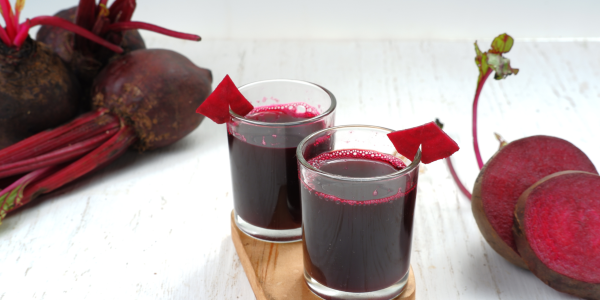
Beetroot Juice: Benefits, Use in Sports and Contraindications
Beetroot juice is a plant-based drink appreciated for its natural nitrate content and its potential role in supporting physical activity. Red beetroot contains compounds that, once consumed through the diet, can contribute to the production of nitric oxide, a molecule involved in regulating blood flow. For this reason, beetroot juice has been the subject of several studies in sports, particularly to assess its potential effects on endurance and efficiency during aerobic exercise. In addition to its possible use in sports, it is useful to understand the nutritional properties of this drink, how to consume it and the situations in which caution is advisable.

Coconut Water: Properties, Benefits and Contraindications
Coconut water is a beverage naturally found inside young coconuts, appreciated for its delicate taste and its water and mineral content. It contains mainly potassium and also provides natural sugars, with a calorie content generally lower than that of coconut milk. These characteristics make it a popular choice for quenching thirst and, in some situations, as an alternative to beverages consumed during or after physical activity.

Electrolytes: What Are They? What Are They Used for and Where Can They Be Found?
Electrolytes are minerals that are essential for the proper functioning of the body: they contribute to fluid balance, the transmission of nerve impulses and muscle contraction. They are found in many foods and drinks and are lost every day through urine, sweat and other bodily fluids. In certain situations, such as during prolonged physical activity or in cases of heavy sweating, it may be necessary to pay closer attention to replenishing them. Let’s look at the main electrolytes, how to recognize possible signs of an imbalance and when supplementation may be useful.
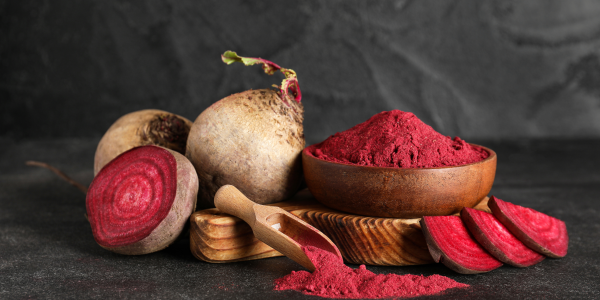
Beetroot: Properties, Nutritional Values and Contraindications
Red beetroot is a vegetable appreciated for its sweet taste, intense colour and content of nutrients and plant compounds. Rich in fibre, folate and potassium, it also contains betalains and naturally occurring nitrates, substances studied for their potential role in health and sports performance. Let’s explore the nutritional values of red beetroot, its potential benefits and the precautions to consider when incorporating it into your diet.
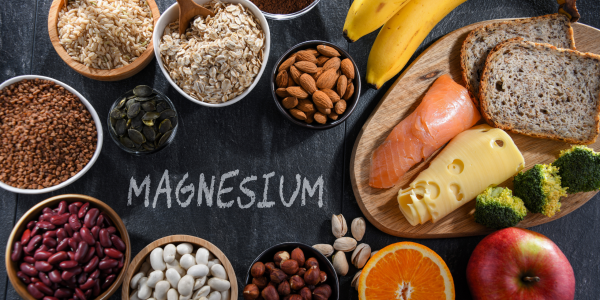
Magnesium-rich foods: which foods contain magnesium, a nutritional table, and other micronutrients
Magnesium is an essential mineral involved in numerous bodily functions, including normal muscle and nervous system function, energy metabolism, and the maintenance of healthy bones. To obtain adequate amounts, it is useful to follow a varied diet that includes nuts, seeds, leafy green vegetables, legumes, and whole grains. In this guide, we explore which foods contain the most magnesium, how to compare them using a nutritional table, and which combinations can help make your diet more complete.

Tryptophan-Rich Foods: Benefits, Which Foods to Choose, and Supplements
Tryptophan is an essential amino acid that the body cannot produce on its own and must therefore obtain through the diet. It is found in many foods of both animal and plant origin and is involved in several physiological processes, including the synthesis of serotonin and melatonin, substances involved respectively in the regulation of various bodily functions and the sleep-wake cycle. For this reason, tryptophan-rich foods are often associated with mental well-being and sleep quality. In this guide, we will explore the main foods rich in tryptophan.