- Alimentation
- 748 views
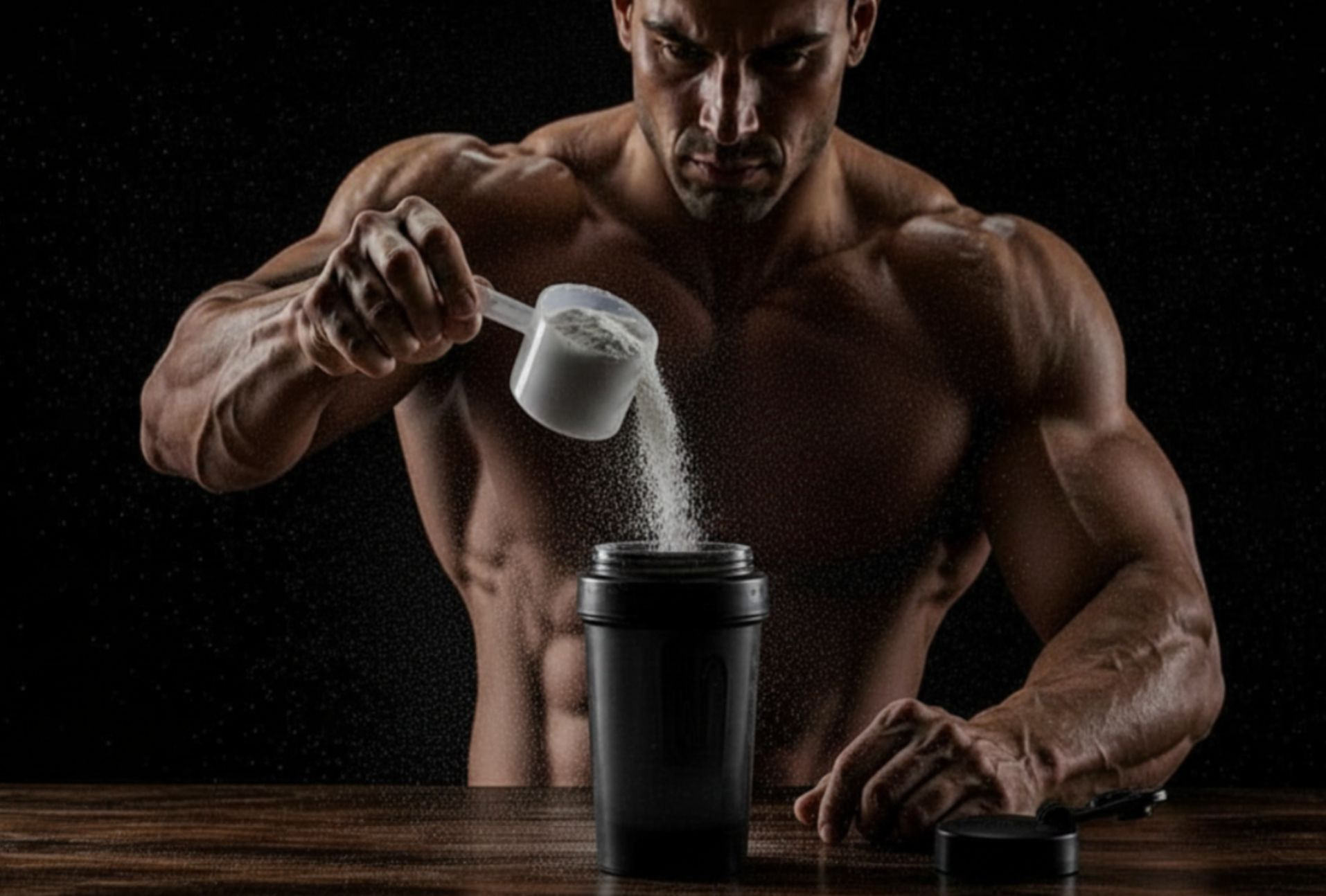
The protein supplement market is one of the most crowded around: shop shelves and online stores are overflowing with products that all promise the same thing. The difference between a good product and a disappointing one lies in the quality of the raw ingredients, the manufacturing process and the transparency of the labelling.
Evaluation methodology and selection criteria
To compile this ranking, we did not simply compare the protein content stated on the label.
We took into account a range of factors that really make a difference when choosing a supplement, especially for those who train regularly and are looking for an effective, safe and high-quality product.
In particular, we assessed:
- Quality of the raw material: prioritising proteins sourced from reliable sources and manufactured using processes that preserve their nutritional value;
- Amino acid profile: paying particular attention to the content of essential amino acids and BCAAs, which are fundamental for recovery and muscle growth;
- Nutritional values: the ratio of protein, carbohydrates and fats, as well as the presence of added sugars or ingredients of little nutritional value;
- Digestibility and tolerance: taking into account the presence of digestive enzymes, lactose-free formulations or ingredients designed to reduce the risk of gastrointestinal disturbances;
- Quality of ingredients: prioritising essential formulations, free from unnecessary fillers and containing patented raw materials where applicable;
- Taste and solubility: because a supplement should also be pleasant to take every day;
- Value for money: by assessing the overall value of the product in relation to the cost per serving.
The evaluation criteria used are as follows:
Ranking of the top 5 protein powders
As we’ve said: there’s no single protein powder that’s universally superior, but there is one that’s best suited to your goal. The ranking starts with the fastest-absorbing type and works its way down to sustained-release formulas.
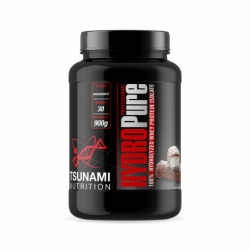
Hydro Pure Professional
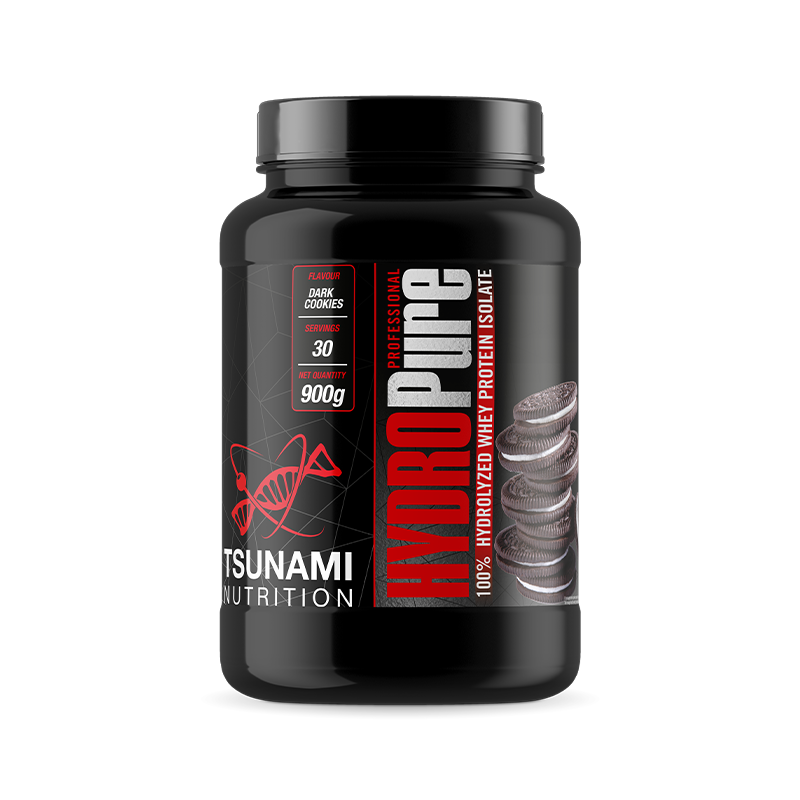
Hydro Pure Professional by Tsunami Nutrition is the choice for those who want to make the most of the post-workout window. This is a whey protein that has already been partially pre-digested through an enzymatic hydrolysis process: the protein chains are broken down into shorter peptides, significantly reducing the time taken for intestinal absorption compared to a conventional isolate.
Each shaker provides a high content of protein with high biological value, rich in essential amino acids, BCAAs and glutamine, ideal for supporting muscle growth and accelerating recovery after the most intense workouts.
The formula is also enriched with DigeZyme®, a complex of digestive enzymes, and LactoSpore®, a probiotic that contributes to gut health and improved nutrient absorption.
The product is lactose-free, gluten-free (with the exception of certain specific flavours), doping-free and sweetened with stevia, without the use of sucralose or aspartame.
Suitable for: athletes who train frequently and intensely, those seeking the fastest possible recovery, and people who are lactose-intolerant or have digestive sensitivities.
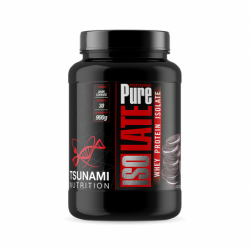
Isolate Pure Professional
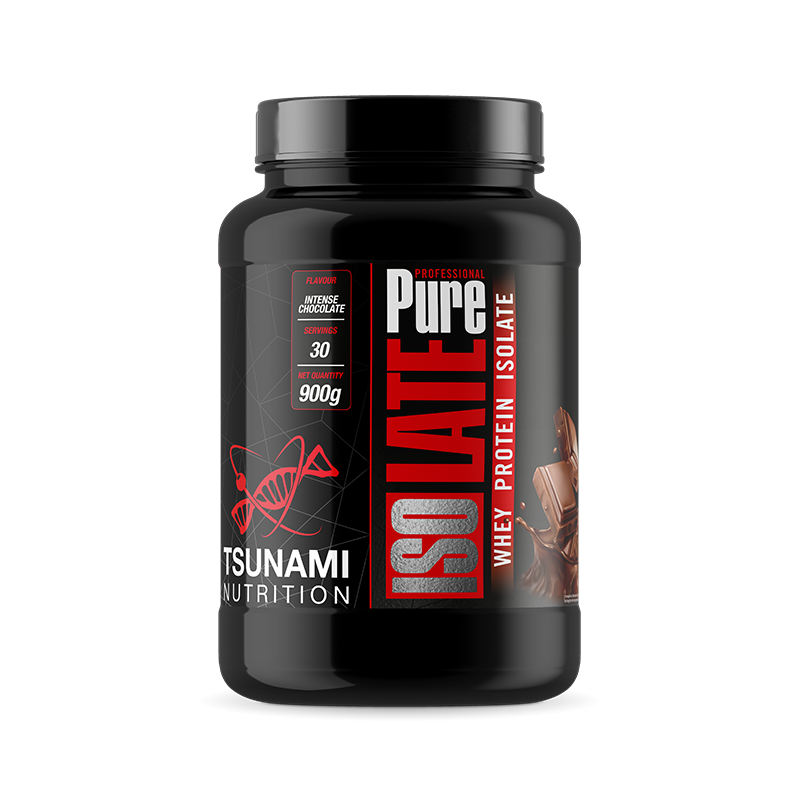
Among the finest whey protein isolates, Isolate Pure Professional by Tsunami Nutrition is a top-tier choice for those seeking purity, digestibility and high-quality raw materials.
The formula uses exclusively Isolac® Carbery® proteins, obtained via cross-flow microfiltration (CFM®), a process that preserves the amino acid profile and the most valuable protein fractions.
Each serving provides 27 grams of protein, with extremely low levels of fat, sugar and lactose, making it ideal for both cutting and muscle-building phases. The inclusion of DigeZyme®, a complex of digestive enzymes, and the probiotic LactoSpore® further enhances digestion and absorption, making the shake easy to digest even after the most intense workouts.
The product is also gluten-free, lactose-free, certified Doping Free and sweetened with stevia, with no sucralose or aspartame. Thanks to the high quality of the raw materials, its excellent solubility and the wide range of flavours available, Isolate Pure Professional is one of the best options for those who want the very best from a whey isolate.
Suitable for: those on a diet or cutting, those looking for the purest formula on the market, and those who are lactose intolerant and want a versatile protein at any time of day.
Whey Pure Professional
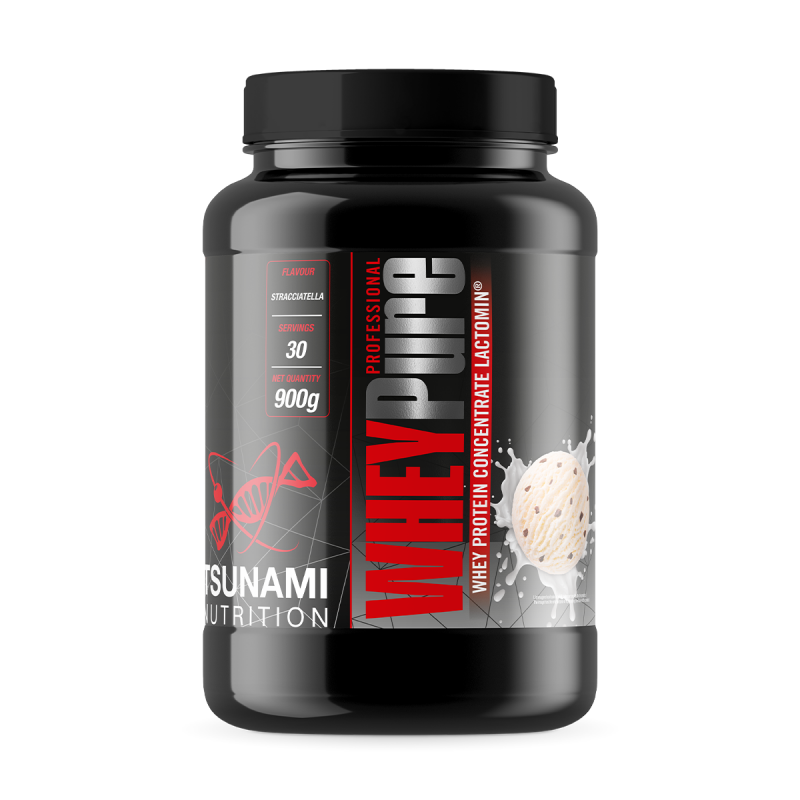
For those looking for an excellent whey concentrate without breaking the bank, Whey Pure Professional from Tsunami Nutrition is one of the best value-for-money options. The formula uses LACTOMIN® whey protein concentrate, a certified raw material that guarantees high purity, excellent solubility and an extremely low lactose content.
It is ideal for increasing daily protein intake, promoting the growth and maintenance of muscle mass, and supporting post-workout recovery. What makes the product even more comprehensive: DigeZyme®, a complex of digestive enzymes that improves protein absorption; LactoSpore®, a probiotic that supports gut health; and vitamin B6, which aids energy metabolism and helps reduce fatigue.
Whey Pure Professional products are also gluten-free, lactose-free, sweetened with stevia and free from sucralose and aspartame. Thanks to their particularly creamy texture, wide range of flavours and practical 500-gram pack size, they are the perfect choice both for those new to protein powders and for those looking for a high-quality whey concentrate for daily use.
Suitable for: amateur athletes who train 3 to 5 times a week, those looking for a versatile product offering excellent value for money, and anyone taking their first steps into the world of protein supplementation.
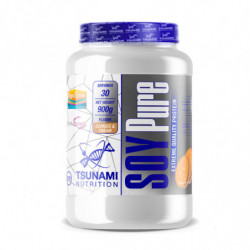
Soy Pure
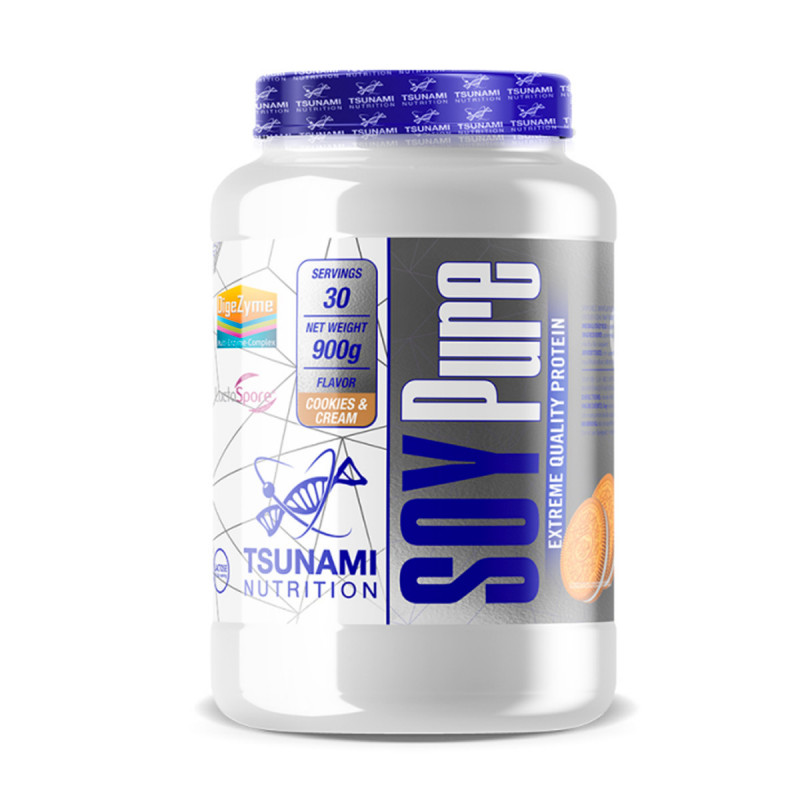
For those looking for a vegan alternative to traditional whey proteins, Soy Pure is one of the best soya proteins available.
The formula is made from high-purity soya protein isolate, ensuring a high protein intake with minimal fat and carbohydrate content.
Each serving provides 25 grams of protein, naturally rich in essential amino acids, BCAAs, glutamine and arginine, ideal for supporting the growth and maintenance of muscle mass. What makes the product even more complete is DigeZyme®, a complex of digestive enzymes that improves protein absorption, and LactoSpore®, a probiotic that promotes a balanced gut flora and aids digestion.
Soy Pure is certified vegan, gluten-free and lactose-free, making it perfect for those with intolerances or following a plant-based diet. Thanks to its excellent nutritional profile, good solubility and pleasant taste, it is one of the best choices for those wishing to incorporate high-quality plant-based protein into their daily routine.
Suitable for: vegans, vegetarians, people with dairy intolerances, and those seeking a complete plant-based protein without compromising on the amino acid profile.
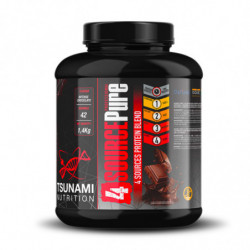
4 Source Pure Professional
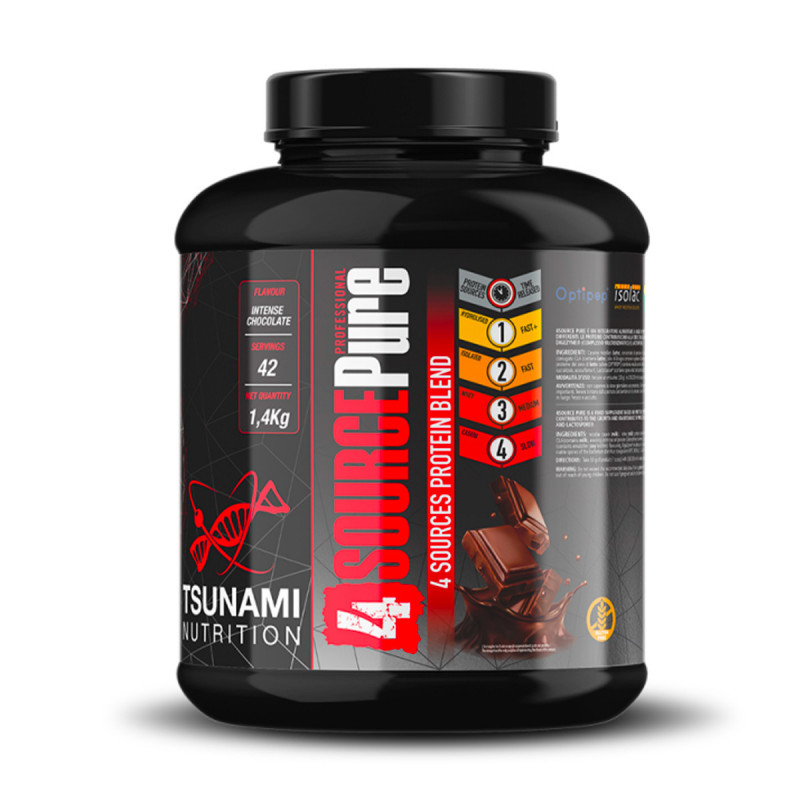
Those looking for a protein source to nourish their muscles for several hours can rely on 4 Source Pure Professional from Tsunami Nutrition, one of the best sustained-release proteins available.
Its formula combines four different high-biological-value protein sources ( Carbery® Optipep® hydrolysed proteins , Carbery® Isolac® isolates, LACTOMIN® concentrates and micellar caseins) to ensure a sustained release of amino acids. Hydrolysed and isolated proteins are rapidly absorbed into the bloodstream, concentrates prolong the release, whilst caseins ensure a steady supply over several hours, making this blend ideal during fasting periods, before bed or as a substitute for a high-protein snack.
The formula is also enriched with Kyowa Quality®-patented L-Glutamine and L-Arginine, two high-quality amino acids that support recovery, protein synthesis and performance. Gluten-free and made with some of the finest ingredients on the market, 4 Source Pure Professional is an excellent choice for those seeking a complete, gradual and consistent protein intake throughout the day.
Suitable for: those looking for a versatile protein at any time of day, for use in the evening before bed, and those seeking the best value for money on large packs.
How to choose the best protein powders for your needs
With so many options available, the choice is simplified by starting with your own goals and individual characteristics. The right questions to ask yourself are:
- How quickly do I need it to be absorbed?
- Do I have any food intolerances or dietary preferences?
- Am I looking for maximum purity or the best value for money?
Differences between whey, isolate and hydrolysed proteins
Regarding the differences between whey, isolate and hydrolysed proteins, all three are derived from whey, but differ in the degree of processing and the resulting characteristics.
- Whey concentrate is the least processed: it retains more bioactive fractions, but also more residual lactose and fat;
- Isolate is ultrafiltered to remove lactose and fat, resulting in a higher protein purity;
- Hydrolysed whey is the most processed: the proteins are enzymatically pre-digested into smaller peptides, resulting in faster absorption and better gastric tolerance.
To understand in detail what this means in practice, the article on the difference between protein isolates and hydrolysates explores each aspect in depth with practical examples.
Best proteins for muscle mass and specific considerations for women
For muscle growth, the priority is to ensure an adequate total protein intake (between 1.6 and 2.2 g per kg of body weight) with a good amount of leucine per serving, the amino acid that directly activates protein synthesis. Hydrolysed and isolated proteins are best suited to those aiming to build muscle mass, as they reach the muscles quickly after a workout.
To find out more about supplementation strategies designed toincrease muscle mass, the dedicated section on the Tsunami website brings together everything you need to know. For women, there are no ‘gender-specific’ proteins, but requirements vary according to body weight and goals: during a toning phase, smaller doses (20–25 g per serving) are often recommended, with greater attention paid to total calorie intake. A useful supplement to consider, including for women, is creatine for women, which, when taken in combination with protein, has been shown to support strength and recovery.
Plant-based proteins and lactose- and sugar-free options
Those who wish to avoid animal sources or are sensitive to dairy products have practical, high-quality options available. The range of plant-based proteins meets the needs of vegans, vegetarians and those who prefer plant-based sources either by choice or for reasons of tolerance.
For those, on the other hand, who wish to stick with whey protein but have issues with lactose, the guide to lactose-free protein powders helps navigate the available options, all of which contain less than 1 g of lactose per serving. Tsunami Nutrition’s protein isolates and hydrolysates are naturally lactose-free and gluten-free, making them suitable for those with proven gastrointestinal sensitivities.
European protein powders and value for money
When choosing a protein supplement, price is important, but should never be the only criterion.
A protein that appears cheap may conceal low-quality raw materials, an uninspiring amino acid profile or added ingredients that detract from the product’s value. Conversely, a supplement made with certified raw materials, advanced manufacturing processes and transparent formulations often represents a better long-term investment.
In recent years, the European market has also made great strides. Today, there are companies such as Tsunami that develop protein powders using international patents, certified ingredients and high manufacturing standards, offering products capable of rivalling the world’s best-known brands.
When assessing value for money, it is therefore worth looking beyond the price on the packaging and considering aspects such as:
- The quality of the raw materials (Carbery®, LACTOMIN®, Isolac®, Optipep® and other recognised patents);
- The actual percentage of protein per serving;
- The amino acid profile and BCAA content;
- Digestibility, thanks to the presence of digestive enzymes or probiotics;
- The absence of unnecessary ingredients, such as excessive sugars or additives;
- The cost per serving, which is more meaningful than simply the price per kilo.
Spending a few euros more on a high-quality product can lead to better protein absorption, improved digestibility and better results over time. That is why, in the rankings in this guide, we have prioritised supplements that offer a genuine balance between the quality of raw materials, the effectiveness of the formulation and price, to help you make a truly informed purchase.
Frequently Asked Questions
What is the best brand of protein powder?
To determine which is the best brand of protein powder, it all depends on the evaluation criteria, but amongst European brands, Tsunami Nutrition consistently ranks highly for label transparency, the quality of its raw materials and the absence of unnecessary ingredients. Unlike many other brands, Tsunami prioritises product purity: verifiable protein content, certified gluten-free formulas, and good value for money.
How much protein should you take each day, and when?
The amount of protein you should consume each day depends on your body weight and the intensity of your physical activity. For those who train regularly, the range recommended by research is between 1.6 and 2.2 g per kg of body weight per day; for a person weighing 75 kg, this means between 120 and 165 g in total, spread across meals and supplements. Timing is key: the most effective time to take a serving of protein powder is within two hours of training, when the muscles are most receptive to amino acids. For those who find it difficult to carry their shaker, the protein shakers and flasks range offers practical solutions for taking your supplements anywhere and at any time without compromising on quality.
What are the possible side effects?
The possible side effects of protein powder are generally limited and depend on the amount consumed and individual sensitivity. The most common are bloating and gastrointestinal discomfort, often linked to the presence of lactose in whey concentrates or to consuming too much in a single dose.
Switching to an isolate or hydrolysed protein almost always resolves this type of problem. A frequently debated topic is the link between protein and acne: those wishing to understand whether there really is a correlation can read the article on protein consumption and acne. To answer the most frequently asked question – namely, whether protein is harmful – the article ‘Are protein powders dangerous? ’ analyses every aspect using the available data.
Can protein be used in recipes and pancakes?
You can use protein powder in recipes and pancakes, and the result is often better than you might imagine. Whey protein blends well into batter for pancakes, muffins, biscuits and homemade bars, adding a substantial amount of protein without altering the taste or texture. Isolates also work well in cold preparations such as protein yoghurt, puddings and thick smoothies. For inspiration with practical, tried-and-tested ideas, the article featuring 5 recipes to make with protein powder is an excellent starting point.
How much protein should you consume during pregnancy?
The amount of protein to consume during pregnancy is a matter that should always be discussed with your gynaecologist or GP, as requirements vary depending on the stage of pregnancy, pre-pregnancy weight and general health.
Generally speaking, protein requirements increase during pregnancy compared to normal levels: international guidelines suggest an increase of around 25 g per day on top of usual requirements, particularly from the second trimester onwards. As for protein powders, their use during pregnancy is not recommended unless there is a specific medical reason: many formulas contain sweeteners, additives or herbs that have not been tested in this context. Protein intake during pregnancy should preferably come from whole foods (meat, fish, eggs, pulses, dairy products), with supplementation used only as a support measure if expressly recommended by a healthcare professional.