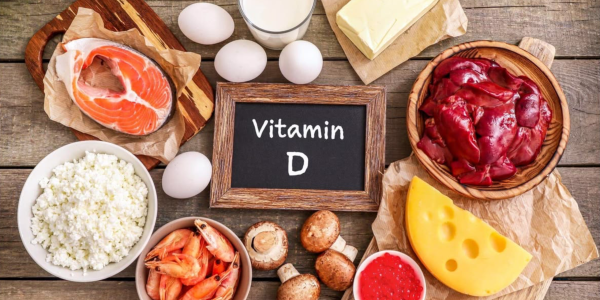
Foods Rich in Vitamin D: Which Are the Best Sources, Its Presence in Fruit, and Combining It with K2
Vitamin D is an essential nutrient for maintaining healthy bones and teeth, supporting calcium absorption, and ensuring the normal functioning of the immune system. In addition to being produced by the body through skin exposure to sunlight, it can also be obtained from food. Oily fish, cod liver oil, eggs, and certain mushrooms are among the foods that contain noteworthy amounts, while common fruit and vegetables generally provide negligible quantities. In this article, we explore the main dietary sources, the role of fortified products, and the relationship between vitamins D3 and K2, to understand how to follow a varied diet and when supplementation may be worth considering.

Does fructose cause harm? When, what effects does it have, and where is it found?
Fructose is a simple sugar naturally found in fruit and honey, but it is also used as a sweetener in many industrial products. It is often considered a healthier alternative to regular sugar, but its impact on the body depends on the amount consumed and its food source. Excessive consumption, particularly through sugary drinks and foods high in added sugars, can have negative effects. In this article, we explore when fructose can become a health concern, its potential effects on the liver, body weight, pancreas and joints, and which foods contain it.

Red Beetroot: Benefits and Possible Side Effects
Red beetroot is a vegetable appreciated for its sweet taste, intense colour and content of fibre, vitamins, minerals and plant compounds such as nitrates, betalains and betaine. It can be eaten raw, cooked or in juice form and is often associated with several health benefits, including its potential role in supporting blood circulation and cardiovascular function. Despite its nutritional properties, beetroot also has some contraindications worth knowing about. In this article, we explore the properties of red beetroot, its potential benefits, the precautions to consider and the differences between raw and pre-cooked beetroot.
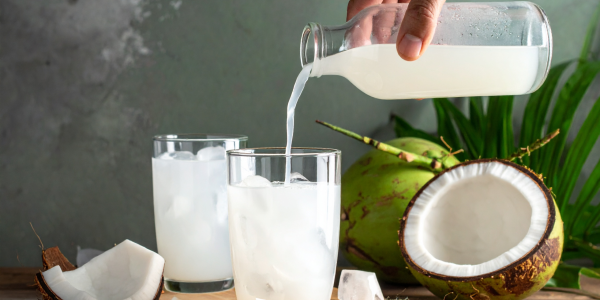
Coconut Water: Benefits, Properties and Side Effects
Coconut water is a drink naturally found inside young coconuts, appreciated for its mild flavour and its water and mineral salt content. It mainly contains potassium and also provides natural sugars, with a generally moderate calorie content compared with many other sweetened drinks. In recent years, it has also become popular among people who practise sports, thanks to the presence of electrolytes that contribute to fluid balance in the body. Understanding the nutritional properties of coconut water, its potential benefits and the situations in which its consumption should be limited makes it easier to include it in your diet more consciously.
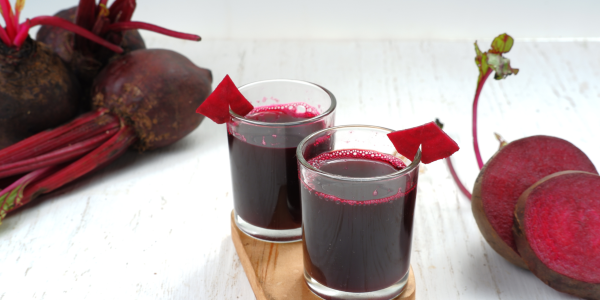
Beetroot Juice: Benefits, Use in Sports and Contraindications
Beetroot juice is a plant-based drink appreciated for its natural nitrate content and its potential role in supporting physical activity. Red beetroot contains compounds that, once consumed through the diet, can contribute to the production of nitric oxide, a molecule involved in regulating blood flow. For this reason, beetroot juice has been the subject of several studies in sports, particularly to assess its potential effects on endurance and efficiency during aerobic exercise. In addition to its possible use in sports, it is useful to understand the nutritional properties of this drink, how to consume it and the situations in which caution is advisable.
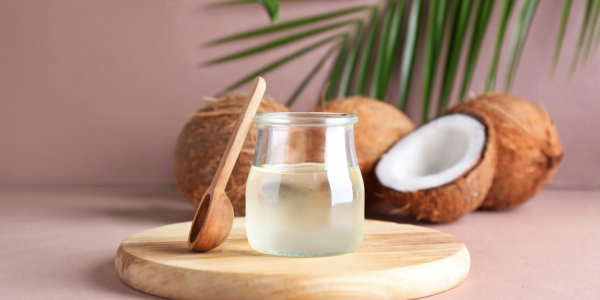
Coconut Water: Properties, Benefits and Contraindications
Coconut water is a beverage naturally found inside young coconuts, appreciated for its delicate taste and its water and mineral content. It contains mainly potassium and also provides natural sugars, with a calorie content generally lower than that of coconut milk. These characteristics make it a popular choice for quenching thirst and, in some situations, as an alternative to beverages consumed during or after physical activity.

Red Bull Taurine: What Is It, How Much Does It Contain, and What Are Its Effects on Health?
Taurine in Red Bull is one of the best-known ingredients in energy drinks, but also one of the most debated. It is often associated with a supposed stimulating effect, improved physical performance, or myths about its origin. In reality, taurine is a substance naturally present in the body and involved in several physiological processes. In this guide, we examine its origin, the amount found in the drink, its relationship with caffeine, and the main precautions to be aware of.
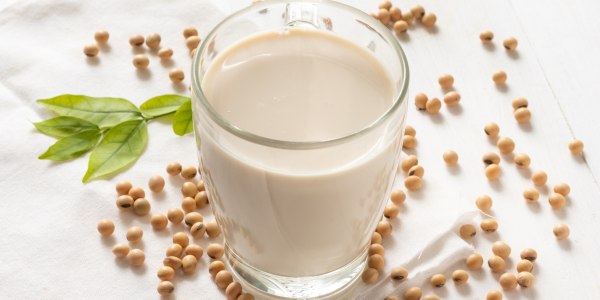
Soy and Protein: Nutritional Properties, Muscle Mass, and Contraindications
Soy is one of the main sources of plant-based protein and can be included in the diet of people who play sports, follow a vegetarian or vegan diet, or want to vary their daily protein sources. Its seeds and derivatives, such as tofu, tempeh, and soy drink, have different nutritional characteristics. For this reason, it is important to distinguish the protein content of whole foods from that of powdered supplements. In this guide, we examine the nutritional properties of soy, its role in muscle development, and the differences between concentrated and isolated proteins.
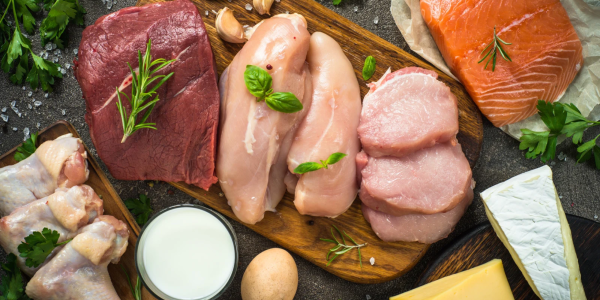
Meat and Protein: How Much Protein Is in 100 Grams? Which Meat Has the Most Protein?
The protein content of meat varies depending on the animal species, cut, and preparation method: chicken, turkey, beef, horse meat, and pork can provide similar amounts of protein, especially when lean cuts are chosen. Knowing the nutritional values helps compare different types of meat and choose those best suited to individual dietary and sports-related needs. This guide includes a table showing the protein content of meat per 100 g, indicative values for the main white and red meats, and some tips for selecting lean, protein-rich cuts.