
When Should You Take Vitamin D: Before or After Meals?
Vitamin D is a fat-soluble nutrient that contributes to the normal absorption and use of calcium and phosphorus, the maintenance of normal bones and teeth, and the normal function of muscles and the immune system. To make proper use of its intake through supplementation, the amount taken is not the only factor that matters: the time of day and its relationship with meals are also aspects worth considering.

The 9 Best Vitamin C Supplements
Vitamin C, or ascorbic acid, is an essential micronutrient involved in numerous physiological processes. It contributes to the normal function of the immune system, protects cells from oxidative stress and supports collagen formation, a protein that is important for healthy skin, bones and cartilage. It is found mainly in fruit and vegetables, but it can also be taken through dietary supplements. Understanding its properties, main dietary sources and the different formulations available can help determine when supplementation may be useful and how to choose the product best suited to individual needs.
Does Vitamin D Cause Weight Loss or Weight Gain? How to Take It, Dosage and Contraindications
Vitamin D is an essential nutrient for maintaining healthy bones, muscle function and the normal functioning of the body. In recent years, it has also been studied for its potential role in metabolism and the regulation of adipose tissue, raising a common question: does vitamin D help you lose weight, or can it promote weight gain? Let's look at the functions of vitamin D, how to take it, recommended dosages according to age and the precautions to be aware of to avoid excessive supplementation.
Vitamin B2: What Is It Good For, Foods Rich in Riboflavin and Signs of Deficiency
Vitamin B2, also known as riboflavin, is an essential micronutrient involved in energy metabolism and the normal functioning of several systems in the body. Among other things, it contributes to the maintenance of normal vision and skin and to the normal functioning of the nervous system. Let's explore what vitamin B2 does, its main dietary sources and when supplementation may be worth considering.
Can You Take Folic Acid All the Time? Dosages, When to Take It, Side Effects and Contraindications
Folic acid is the synthetic form of vitamin B9, an essential nutrient involved in DNA production, cell division and the formation of red blood cells. It is particularly important during the early stages of pregnancy, but it can also be used at other times in life when specific nutritional needs arise or a deficiency needs to be corrected. In some situations, daily intake is recommended for a defined period or even longer. Let's look at the reference dosages, when it may be useful to continue taking it and which precautions you should know about.
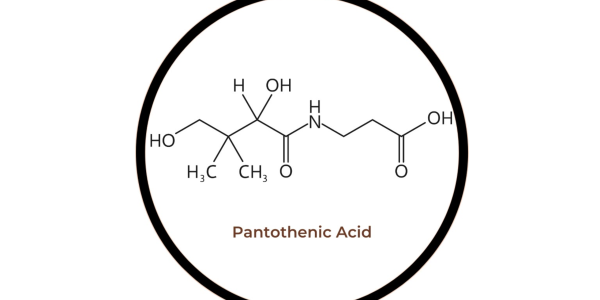
Pantothenic Acid: What It Is, What It Does, Food Sources and Side Effects
Pantothenic acid, also known as vitamin B5, is an essential nutrient involved in energy metabolism and numerous cellular processes. It is found in many foods of both animal and plant origin and contributes to the normal functioning of the body. In this article, we explore what it does, its main functions, which foods contain it and what precautions to consider before taking a supplement.
Vitamin B12: Side Effects, Contraindications and Excess
Vitamin B12 is essential for the normal functioning of the nervous system, the formation of red blood cells and DNA synthesis. It is found in various animal-based foods and in numerous supplements, available in oral, sublingual and injectable formulations. Although it is generally well tolerated, taking high doses or using certain products may require some precautions. Vitamin B12 side effects are generally uncommon, but it is important to distinguish reactions to supplements from those associated with injections and situations in which blood tests show levels above the reference range. A high level does not necessarily indicate toxicity: it may be due to supplementation or be associated with other conditions that warrant further investigation.

Vitamins and Hair: What They Do, Which Ones Are There and How They Help Counter Hair Loss
Hair health depends on several factors, including diet, hormonal balance, genetics and scalp conditions. Vitamins and minerals play an important role in hair growth and renewal processes, contributing to the normal functioning of hair follicles and the maintenance of hair fibres. In this guide, we explore what vitamins do for hair, which ones may help counteract hair loss and how to choose the most suitable supplements, distinguishing between benefits supported by scientific evidence and unproven claims.
What Is Vitamin C Good For? Benefits, Sources and Supplements
Vitamin C is an essential nutrient that contributes to the normal functioning of the immune system, protects cells from oxidative stress and supports collagen formation. Since the body cannot produce it on its own, it must be regularly obtained through the diet and, when necessary, through supplements. In this guide, we explore when to take vitamin C, how to use it correctly and what factors to consider when incorporating it into your routine, taking individual needs and appropriate amounts into account.