
Vitamin K2: contraindications, use with vitamin D3, side effects and deficiency
Vitamin K2 is a nutrient involved in the regulation of calcium metabolism and contributes to the maintenance of normal bones. It is often combined with vitamin D3 in supplements, but using them together requires careful consideration of dosages and individual health conditions. Understanding the possible contraindications, side effects and signs of deficiency helps assess when supplementation may be useful and which precautions should be considered, especially when taking medication or managing existing medical conditions.

Vitamin C: When to Take It and How to Use It
Vitamin C is an essential nutrient that contributes to the normal function of the immune system, the protection of cells from oxidative stress and collagen formation. Since the body cannot produce it on its own, it must be regularly obtained through the diet and, when necessary, through supplements. In this guide, we look at when to take vitamin C, how to use it correctly and which aspects to consider when incorporating it into your routine, paying attention to quantities and individual needs.
Folic Acid: How to Take It, When to Take It and Recommended Dosages
Folic acid, also known as vitamin B9, is an essential nutrient involved in cell production, DNA synthesis and red blood cell formation. Getting adequate amounts is important at every stage of life, but it becomes particularly relevant before and during the first weeks of pregnancy. To use it correctly, it is helpful to know when to start supplementation, which dosages to consider and what to do if you miss a dose.
Vitamin D Side Effects: Contraindications and Excess Vitamin D3
Vitamin D plays an important role in bone health, calcium absorption and the normal functioning of the immune system. Although it is an essential nutrient, taking excessive amounts, especially through supplements used without proper assessment, can cause unwanted effects and disrupt the body's calcium balance. Understanding the possible side effects, contraindications and risks associated with overdose helps people use vitamin D3 supplements more consciously and safely.

Vitamin D3: What Is It Used For, Where Is It Found and When Should You Take Supplements?
Vitamin D3, also known as cholecalciferol, is a fat-soluble nutrient that plays an important role in several bodily functions. It contributes to the absorption and utilisation of calcium and phosphorus, the maintenance of normal bones and teeth, and the normal functioning of the immune system. It can be obtained through certain foods, produced by the skin following exposure to sunlight, or taken in the form of supplements. Understanding what it is used for, where it can be found and when supplementation may be useful helps clarify its role in nutrition and everyday wellbeing.
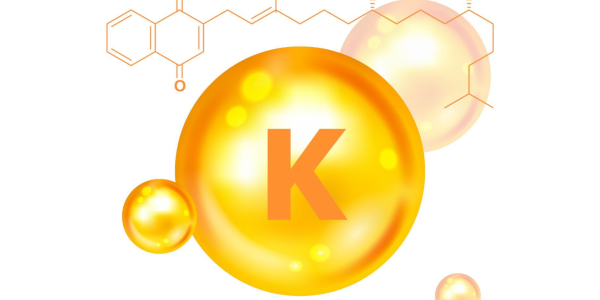
Vitamin K2: What Is It Used For? Where Is It Found and What Are Its Contraindications?
Vitamin K2 is a form of vitamin K involved in several important processes related to calcium metabolism and the maintenance of bone health. It is found in various foods, especially certain fermented and animal-derived products, and is also available as a dietary supplement. Among its variants, MK-7 is particularly well known for its absorption and persistence in the body. In this article, we explore its functions, main dietary sources, the characteristics of supplements and possible contraindications.
Niacin: What Is It, What Is It Used For, Food Sources and Dosage
Niacin, also known as vitamin B3, is an essential nutrient involved in energy metabolism, nervous system function and the maintenance of normal skin. It is found in various foods, including meat, fish, peanuts, whole grains and legumes, and can also be obtained through specific supplements. In this article, we explore its functions, main food sources, daily requirements and the characteristics of supplementation, also looking at possible side effects and precautions to be aware of before taking it.
Vitamin E: What Is It Used For? Benefits, Food Sources and Side Effects
Vitamin E is a fat-soluble nutrient best known for its antioxidant activity. It helps protect cells from oxidative stress and is involved in several physiological processes, including the maintenance of normal bodily functions and the functioning of the immune system. It is found mainly in vegetable oils, nuts, seeds and certain vegetables. A varied diet generally provides adequate amounts, while supplements may be considered when there is a specific nutritional need. In this article, we explore its properties, daily requirements, how to take it and the main precautions.

Thiamine: What It Is, What It Is Used For and Where to Find It
Thiamine, also known as vitamin B1, is an essential micronutrient that contributes to energy metabolism and the normal functioning of the nervous system. It is involved in the processes through which the body uses nutrients to produce energy and is found in various foods, including whole grains, legumes, seeds, nuts and pork. In this article, we explore its main functions, the foods that contain significant amounts of it and the characteristics of thiamine-based supplements. We will also look at when supplementation may be useful, which precautions to consider and what research says about high doses, benfotiamine and the purported effects against mosquitoes.