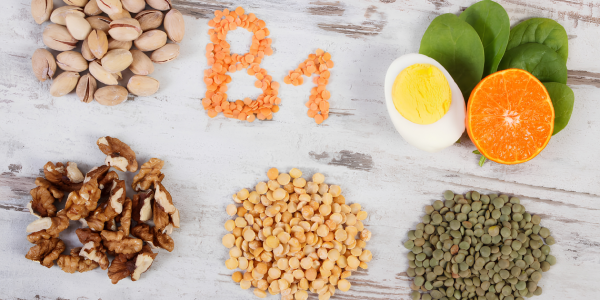
Thiamine: What It Is, What It Is Used For and Where to Find It
Thiamine, also known as vitamin B1, is an essential micronutrient that contributes to energy metabolism and the normal functioning of the nervous system. It is involved in the processes through which the body uses nutrients to produce energy and is found in various foods, including whole grains, legumes, seeds, nuts and pork. In this article, we explore its main functions, the foods that contain significant amounts of it and the characteristics of thiamine-based supplements. We will also look at when supplementation may be useful, which precautions to consider and what research says about high doses, benfotiamine and the purported effects against mosquitoes.

Vitamins: What They Are, What They Do and Which Types Exist
Vitamins are essential micronutrients for the proper functioning of the body. They are involved in numerous biological processes, from energy metabolism to bone maintenance, from immune function to protecting cells against oxidative stress. They are found in many foods, including fruit, vegetables, legumes, grains, meat, fish, eggs and dairy products, but they do not all perform the same functions or get absorbed in the same way. In this article, we look at water-soluble and fat-soluble vitamins, their main functions and the foods that contribute to their intake.
Vitamin C in Foods: Which Foods Are Richest, Table, Cooking and Iron Absorption
Vitamin C, also known as ascorbic acid, is an essential micronutrient found mainly in fruit and vegetables. It contributes to the normal function of the immune system, collagen formation and the protection of cells from oxidative stress. Foods that provide significant amounts include peppers, kiwifruit, blackcurrants, citrus fruits, broccoli and strawberries. In this article, we analyse the main dietary sources, compare nutritional values in a table and explore the relationship between vitamin C, food preparation and iron availability.
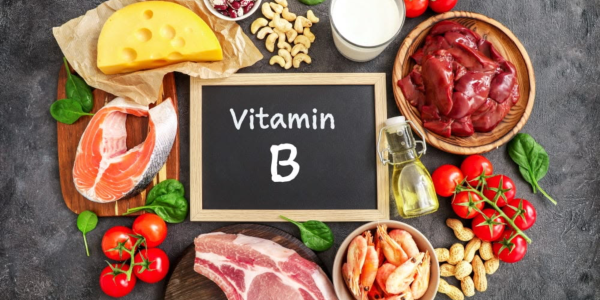
B vitamins: which ones are they, what are they used for and where are they found?
B vitamins are a group of eight water-soluble micronutrients involved in numerous physiological processes. They contribute to energy metabolism, the functioning of the nervous system, red blood cell formation and the maintenance of various cellular functions. They are found in both animal-based and plant-based foods, although some, such as vitamin B12, occur naturally mainly in animal products. In this article, we look at the characteristics of each vitamin, their main functions in the body and the foods that help provide them.
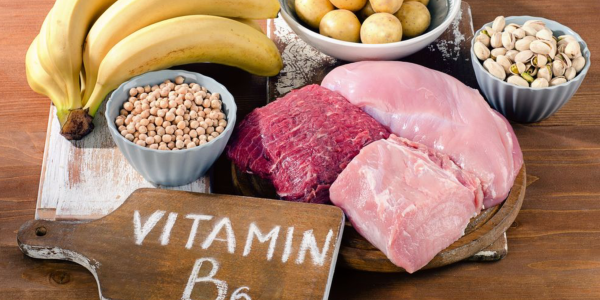
Vitamin B6: What Is It Used For? Where Is It Found, Daily Requirements and Deficiency
Vitamin B6, also known as pyridoxine, is a water-soluble vitamin that is essential for numerous functions in the body. It plays a role in energy and protein metabolism, contributes to the normal functioning of the nervous and immune systems, and is involved in the production of certain neurotransmitters. It is found in various foods, including meat, fish, legumes, whole grains, nuts and bananas. In this article, we explore its main functions, the foods richest in this vitamin, daily requirements and the possible consequences of a deficiency. We will also look at when supplements may be useful and why it is important to pay attention to dosages.

Vitamin B12: Which Foods Contain It? Daily Requirements and Supplementation
Vitamin B12, or cobalamin, is an essential micronutrient for the proper functioning of the body. It contributes to red blood cell formation, the normal functioning of the nervous system and homocysteine metabolism. It is found mainly in foods of animal origin, such as meat, fish, eggs, milk and cheese, while unfortified plant foods generally do not provide an adequate intake. In this article, we explore the main dietary sources, the role of fortified foods, daily requirements at different stages of life and the characteristics of supplements.
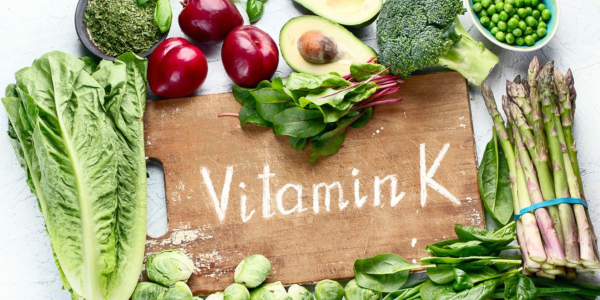
Vitamin K: What Is It Used for, Where Is It Found and What Are the Symptoms of Deficiency?
Vitamin K is an essential nutrient for the proper functioning of the body, best known for its role in blood clotting and maintaining bone health. It occurs in several forms, mainly vitamin K1 and K2, which are found in plant-based foods, fermented products and certain animal-based sources. In this article, we explore the differences between K1 and K2, the foods richest in vitamin K, daily requirements and the situations in which taking a supplement may be worth considering.

Vitamin D: What Is It Good for? Where to Find It, Daily Requirements by Age, Deficiency and Supplements
Vitamin D is an essential nutrient for the well-being of the body, best known for its role in maintaining healthy bones and muscles and supporting the normal function of the immune system. It can be produced by the skin through exposure to sunlight and obtained from certain foods. However, several factors, such as age, daily habits and health conditions, can affect the amount available to the body. In this article, we explore its main functions, dietary sources, requirements in adults and older people, the signs and risk factors of deficiency, and the role of supplements.
Vitamin D: When to Take It, How to Take It, Daily Dosage and Duration
Vitamin D is an essential nutrient for maintaining healthy bones and teeth, absorbing calcium and supporting the normal functioning of the immune system. The body can produce it through exposure to sunlight, but diet and, when necessary, supplements also help ensure an adequate intake. To get the most out of supplementation, it is important to know the best time to take it, how to take it correctly and what amounts to follow. In this article, we explore how to supplement this nutrient correctly, which factors influence requirements and which precautions to consider, with particular attention to the needs of adults and women during menopause.